Valencia, Mediterranean port city in eastern Spain
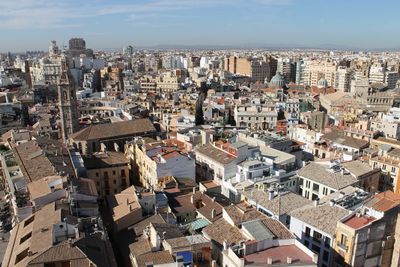
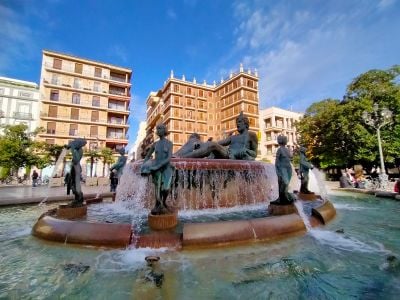
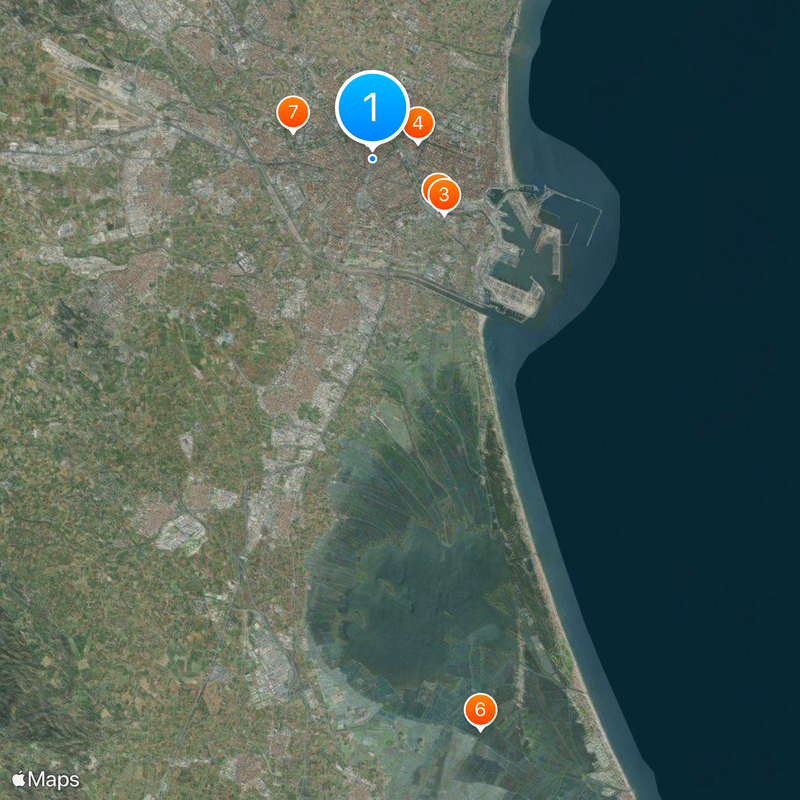
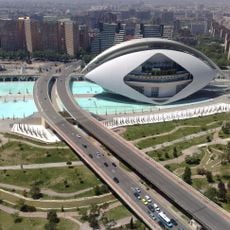
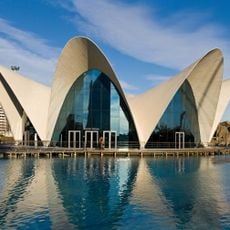
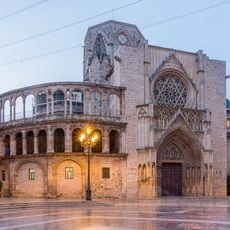
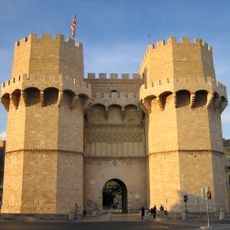
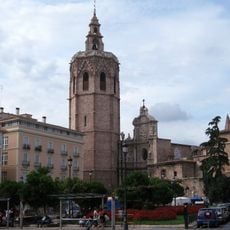
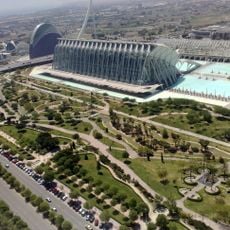
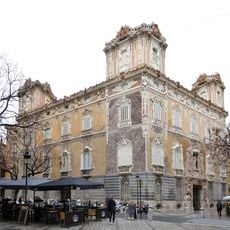
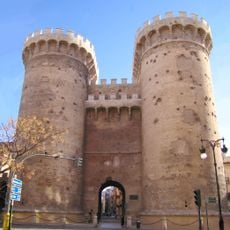
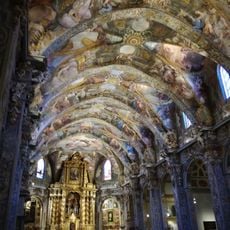
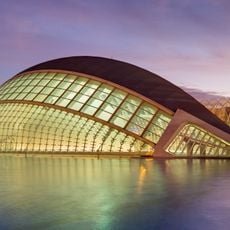
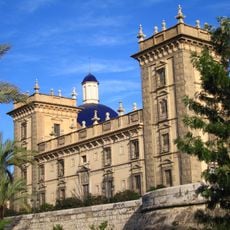
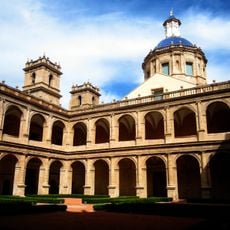
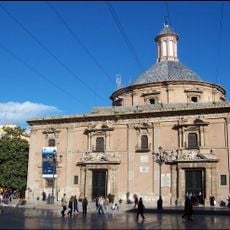
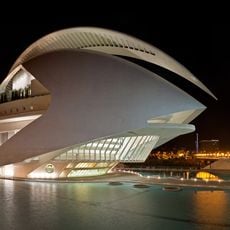
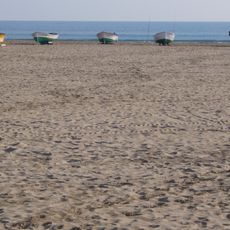
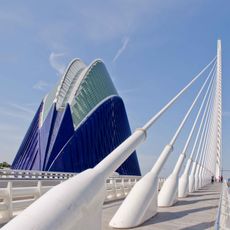
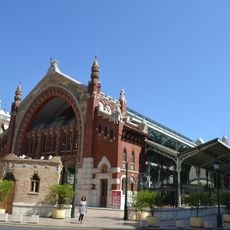
Valencia is a port city on Spain's Mediterranean coast and the country's third largest, positioned between Barcelona and Alicante. The city stretches between several kilometers of sandy beaches and a modern complex of futuristic architecture, while the old town shows narrow streets and stone squares.
Romans founded the settlement in the second century before the common era, and it was later ruled by Visigoths and Moors. In the fifteenth century, the city developed into one of the main trading centers in the Mediterranean under Aragonese control.
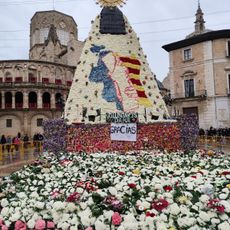
The Las Fallas festival lasts several days in March and fills the streets with monumental papier-mâché sculptures, fireworks, and music at all hours. Local restaurants serve paella from flat pans directly over open flames, and visitors can watch cooks prepare the rice with broth and saffron.
Most sights are reachable on foot or by public transport, and the city center is compact enough for day visits. The tourist card offers unlimited access to buses and metro as well as free entry to municipal museums during the chosen validity period.
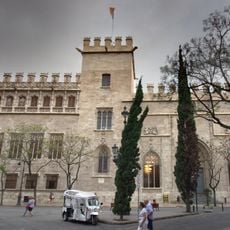
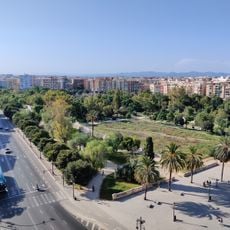
The old Turia riverbed was turned into a park several kilometers long and now connects sports facilities, gardens, and cultural spaces through the middle of town. The fifteenth-century Silk Exchange buildings show Gothic colonnades and twisted stone columns that originally served as a meeting place for merchants.
The community of curious travelers
AroundUs brings together thousands of curated places, local tips, and hidden gems, enriched daily by 90,799 contributors worldwide.