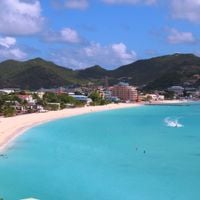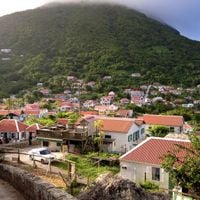
Netherlands Antilles, Former Caribbean territory in Kingdom of the Netherlands
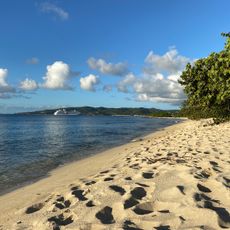
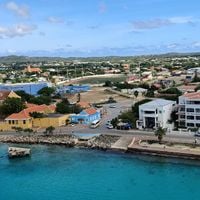
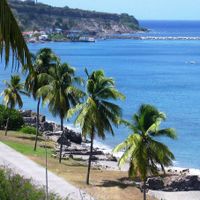
The Netherlands Antilles comprised six main islands divided into two groups: Aruba, Bonaire, and Curaçao in the south, and Saba, Sint Eustatius, and Sint Maarten in the north. Each island or island group had its own character, economy, and local society shaped by its geography and history.
The territory was established in 1954 as a successor to the Dutch colony of Curaçao and Dependencies, maintaining this status until its dissolution on October 10, 2010. This dissolution marked the end of more than a century of colonial administration in the Caribbean region.
The territory was shaped by multilingual communication, with Papiamento dominant in the southern islands and English-based creole dialects common in the north, all coexisting with Dutch as the official language.
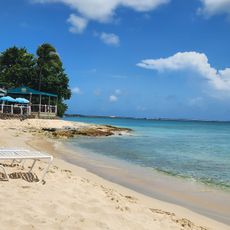
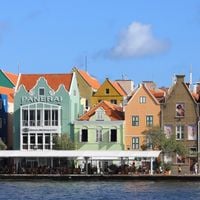
The territory's economy was based on tourism across all islands, petroleum processing in Curaçao, and financial services centered in Willemstad. Visitors would have found each island group had its own character and required different travel arrangements to explore.
Following dissolution, Curaçao and Sint Maarten became autonomous countries within the Netherlands, while Bonaire, Sint Eustatius, and Saba were transformed into special Dutch municipalities. This different treatment reflects how the former islands took separate political paths after independence.
The community of curious travelers
AroundUs brings together thousands of curated places, local tips, and hidden gems, enriched daily by 92,256 contributors worldwide.