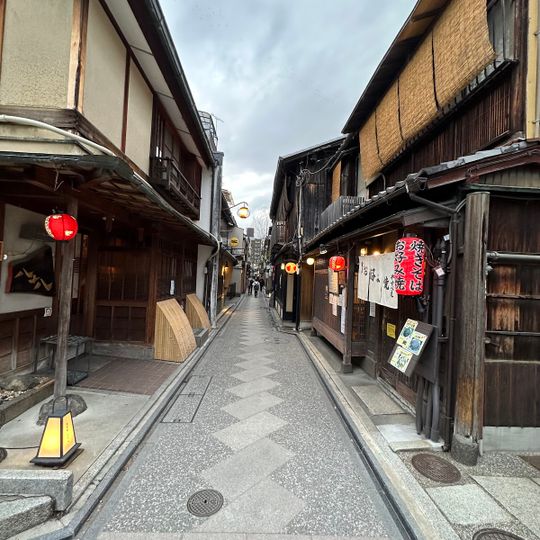
History of Ponto-cho, Historic entertainment district in downtown Kyoto, Japan.
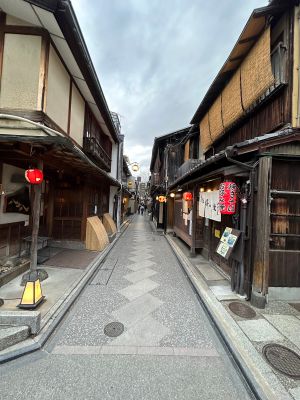
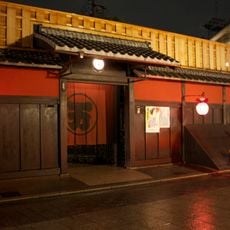
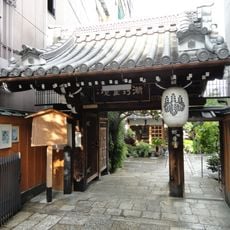
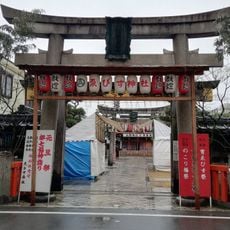
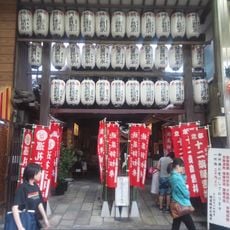
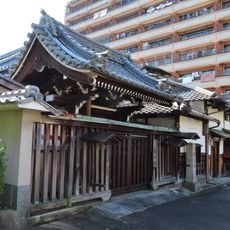
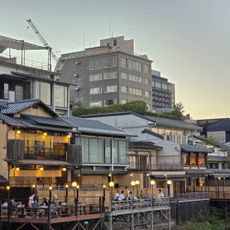
The History of Pontocho is a 500-meter pedestrian walkway running between Shijo-dori and Sanjo-dori avenues with traditional wooden buildings lining both sides. Red lanterns hang throughout the passage, and seasonal outdoor platforms called kawayuka extend from restaurants over the Kamo River from May through September.
The district took shape in 1670 from embankment works between the Kamo and Takase rivers, and transformed into a licensed entertainment area with tea houses starting in 1712. This development linked river commerce management with the creation of a structured space for geisha-centered entertainment and hospitality.
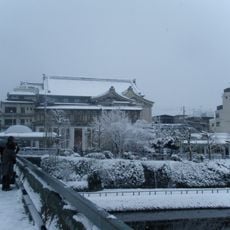
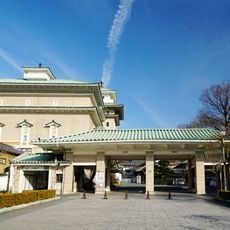
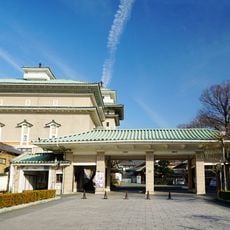
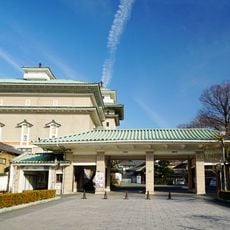
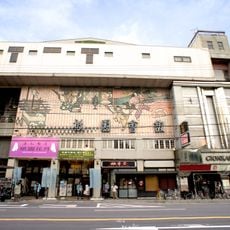
The Pontocho Kaburenjo Theater hosts annual Kamogawa Odori performances in May, where geisha and maiko dancers demonstrate classical movement and traditional arts. Visitors can observe how these trained entertainers maintain centuries-old performance practices in a setting designed specifically for their craft.
Most restaurants and venues along the walkway open around 5 PM and stay open until about 11 PM, making an evening visit the best time to experience the area. The narrow walkway can become crowded during peak hours, so arriving earlier or later in the evening offers a more comfortable pace for walking and observing the surroundings.
The name combines the Portuguese word 'ponte' meaning bridge with the Japanese 'cho' meaning district, reflecting the area's historical ties to river trade and cultural exchange. This linguistic blend reveals how commerce and travel routes shaped the region and influenced its naming tradition.
The community of curious travelers
AroundUs brings together thousands of curated places, local tips, and hidden gems, enriched daily by 60,000 contributors worldwide.