Augusta Canal, National heritage area and canal in Augusta, Georgia, US
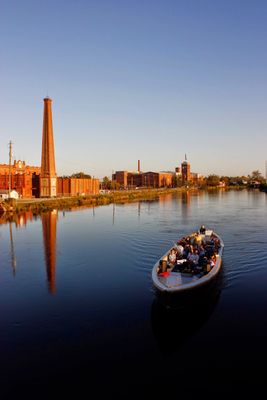
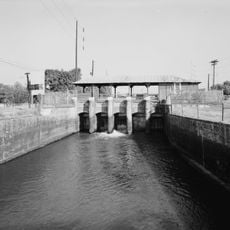
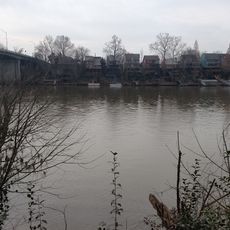
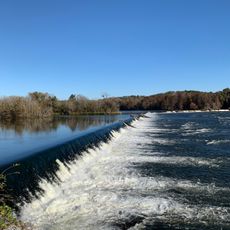
The Augusta Canal is a working industrial canal in Augusta, Georgia, drawing water from the Savannah River to supply mills and generate power. It runs through the city alongside old brick mills, warehouses, and walking trails that follow its banks.
The canal was dug in 1845 to bring water power and transportation to Augusta, quickly becoming the engine of the local cotton industry. It was deepened and widened in the 1870s to attract more textile factories, and in 1996, the U.S. Congress formally designated it a National Heritage Area.
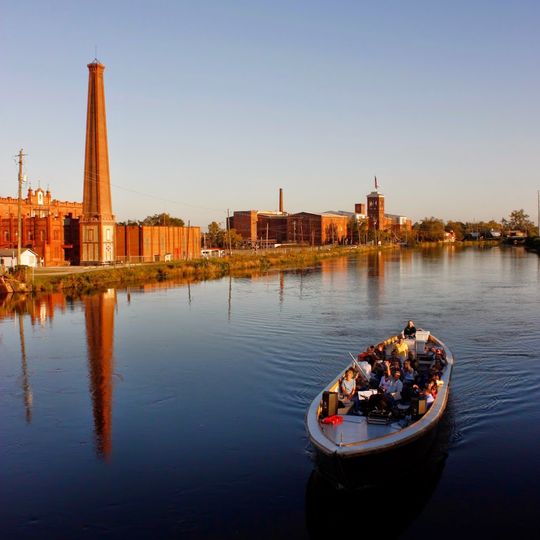
The Augusta Canal Discovery Center sits inside a former textile mill and displays photos, exhibits, and stories from the working years of the waterway. Guided boat tours on the water give visitors a direct sense of how the canal once shaped daily life in the city.
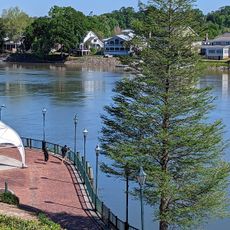
Walking and biking trails run along the canal for its full length, so visitors can follow as much or as little of the route as they like. Boat tours typically operate during the warmer months and are worth booking in advance.
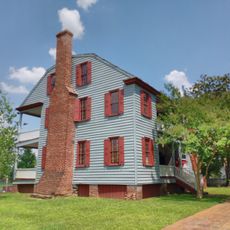
During the Civil War, the Confederate Powder Works was built along the canal, making it one of the largest gunpowder factories in the South. Its chimney still stands today and is one of the few surviving Confederate-era structures in Augusta.
The community of curious travelers
AroundUs brings together thousands of curated places, local tips, and hidden gems, enriched daily by 60,000 contributors worldwide.