Lysá hora, Mountain in the Moravian-Silesian Beskids, Czech Republic
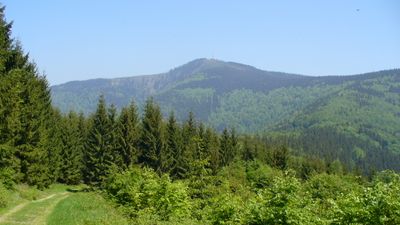
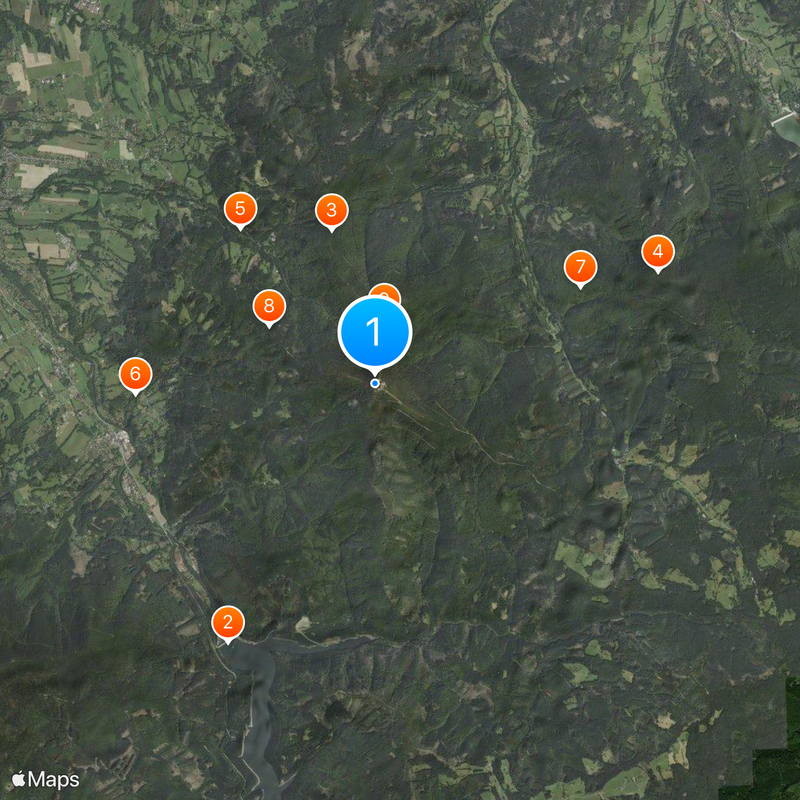
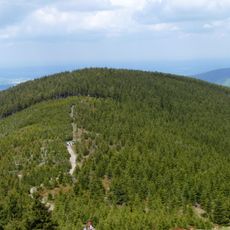
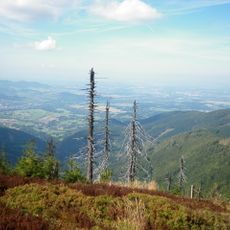
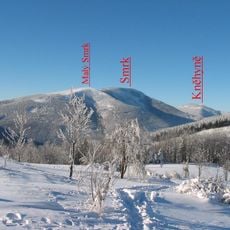
Lysá hora is a 1324 m mountain, the highest of the Moravian-Silesian Beskids, on the borders of Krásná, Malenovice, Ostravice and Staré Hamry. Its bare summit, nicknamed Gigula, holds a 78 m telecommunications mast built in 1980, a meteorological station and mountain huts. The summit is a major junction of marked hiking trails.
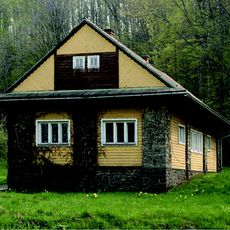
In 1880 an Alpine shelter of Albrecht Friedrich of Austria-Teschen was built on the summit; Czech tourists ignored it as "German", so in 1935 the Club of Czech Tourists opened the Petr Bezruč hut. Both were nationalised in 1948 and burned down in 1972 and 1978. Meteorological measurements have run since 1897, and the 78-metre transmitter has stood here since 1980.
The name Lysá hora means "bald mountain", after the bare summit that gave the peak its name; the summit is nicknamed Gigula in the local Lach dialect. The Czech poet Petr Bezruč took the mountain and the Beskydy landscape as material for his collections, and the oldest tourist climb in Europe, the Bezručův výplaz, has been held here every autumn since the early 20th century, reaching its sixtieth edition in 2018.
A seasonal bus from Raškovice to Lysá hora runs five days a week: Monday and Tuesday for registered groups over 30 people, Wednesday to Friday for the general public. A road from Krásná also reaches the summit. Snow cover usually lasts from October to May and can exceed 2 m in March.
The summit's bare name comes from its long treeless top, and the 78-metre transmitter built in 1980 stands on the ridge at 1313 m. The mountain also holds the Czech record for deepest snow cover: 491 cm measured in March 1911.
The community of curious travelers
AroundUs brings together thousands of curated places, local tips, and hidden gems, enriched daily by 92,236 contributors worldwide.