Downtown Durham Historic District, Historic district in Durham, United States
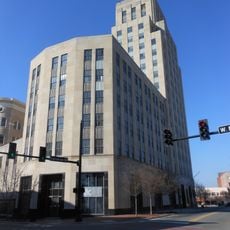
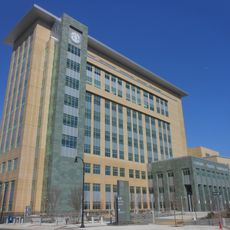
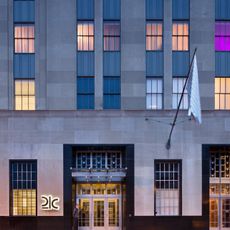
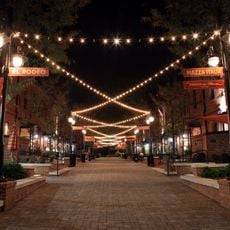
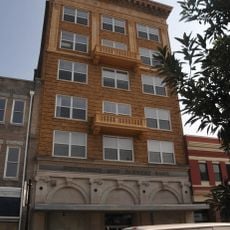
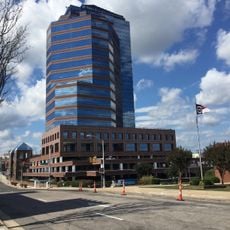
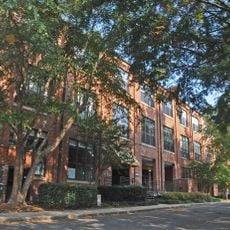
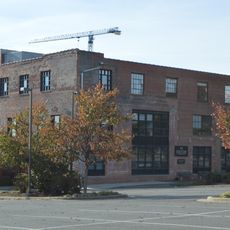
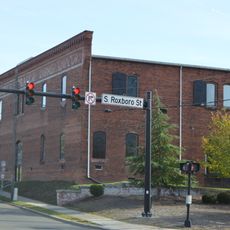
Downtown Durham Historic District holds 97 contributing buildings and one contributing structure in Durham's central business district, listed on the National Register in 1977. Most date from the first four decades of the 20th century, with Colonial Revival, Italianate and Art Deco examples. It lies east of the Bright Leaf Historic District and west of the Holloway Street Historic District.
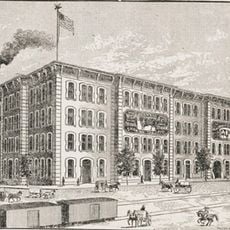
The district developed rapidly during the tobacco boom of the late 1800s when Durham emerged as a major commercial hub. The National Register recognized it in 1977 as an important example of the state's commercial architecture from that era.
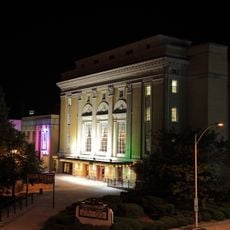
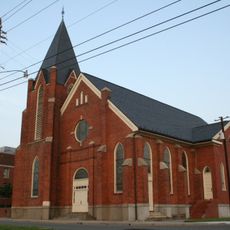
Parrish Street formed the core of Black Wall Street, a prosperous Black-owned business hub in the early 1900s, and Mechanics and Farmers Bank (1921) stands there today. The Carolina Theatre of Durham, built in the 1920s, and First Baptist Church (1926–1927) remain active landmarks in the district.
The district lies east of the Bright Leaf Historic District and west of the Holloway Street Historic District, so it can be walked as one leg of a longer downtown route. The 97 contributing buildings and one structure sit within the central business district, and the dense grid of West Main and Parrish streets keeps most addresses within a few blocks of each other.
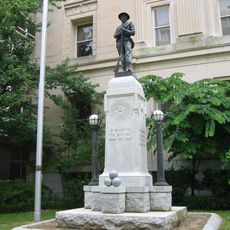
The district holds most of Black Wall Street, the black-owned business hub centred on Parrish Street in the early 1900s; Mechanics and Farmers Bank (1921) survives from that era. On 14 August 2017 demonstrators pulled down a 15-foot Confederate statue in front of the 1916 courthouse.
The community of curious travelers
AroundUs brings together thousands of curated places, local tips, and hidden gems, enriched daily by 93,845 contributors worldwide.