Central Plains, Biosphere reserve in Colorado, United States
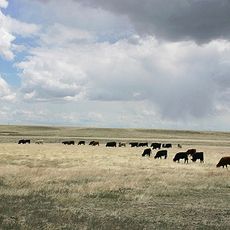
Central Plains is a 6,210-hectare shortgrass prairie reserve in north-central Colorado, built around the Central Plains Experimental Range run by the USDA Agricultural Research Service. Blue grama and buffalograss make up over 70% of aboveground biomass, with needle-and-thread grass, western wheatgrass and scarlet globemallow among the other plants. Four instrumented watersheds under different grazing intensities collect water-budget data.
The US government designated this area as a biosphere reserve in 1976 to protect natural resources and promote environmental research. This official status marked an important step in recognizing the region's ecological value.
The reserve lies in shortgrass prairie where blue grama and buffalograss make up over 70% of aboveground biomass; scarlet globemallow is the most common forb. The land was farmed and grazed for years before research began, and grazing studies started in the 1930s continue today, shaping how the range is used.
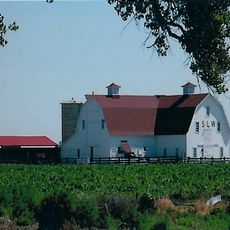
The site lies in north-central Colorado, west of the shortgrass prairie near the coordinates 40.5 N, 104.45 W, in a rural farming landscape with no marked visitor trails. Access is tied to the Central Plains Experimental Range, where grazing and watershed instruments are in use, so check with the USDA Agricultural Research Service before planning a visit.
Scientists use this location extensively to study how climate changes affect ecosystems and plant behavior. The ongoing observations here contribute valuable insights to global environmental research.
The community of curious travelers
AroundUs brings together thousands of curated places, local tips, and hidden gems, enriched daily by 92,775 contributors worldwide.