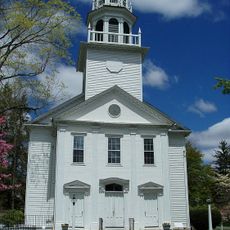
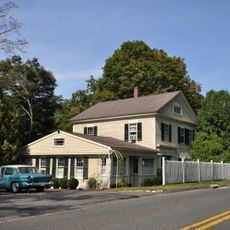
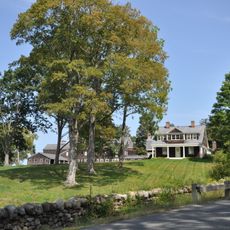
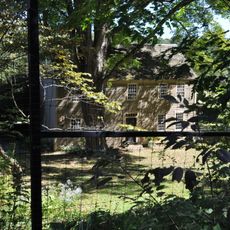
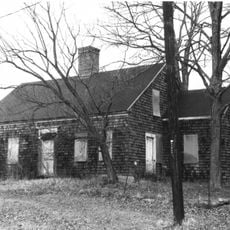
Glebe House, Georgian colonial house in Woodbury, Connecticut
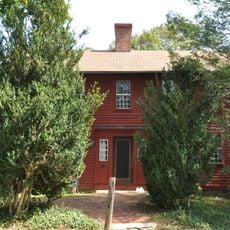
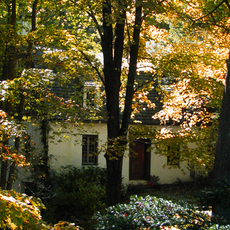
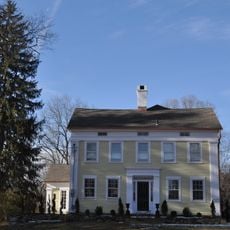
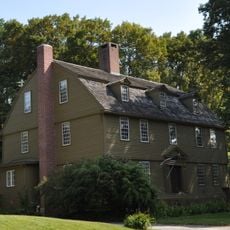
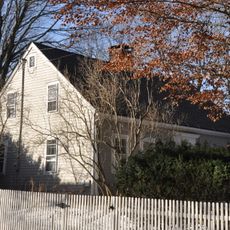
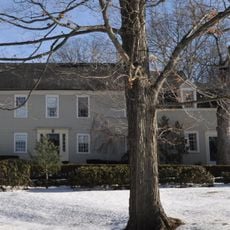
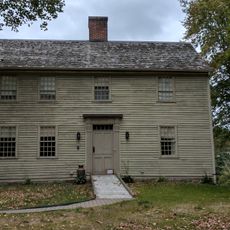
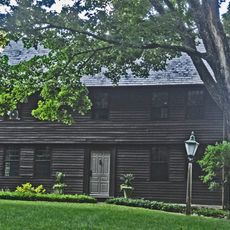
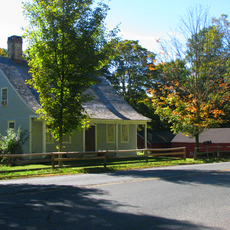
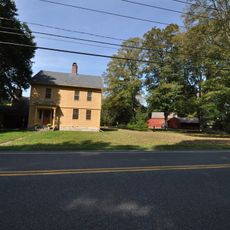
Glebe House is a wooden structure in Woodbury featuring a modified saltbox design with gambrel roofs and a front facade arranged in five sections. The building dates to the 1740s and displays typical features of Georgian colonial architecture.
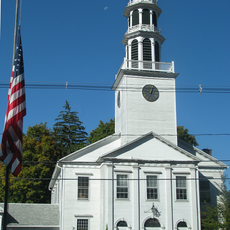
Built around 1740 as the rectory for St. Paul's Church, the house was home to the Rev. John Rutgers Marshall and his wife Sarah from 1771 to 1785. On March 29, 1783, ten clergy met here and chose Samuel Seabury and Jeremiah Leaming as candidates for Bishop of Connecticut; Leaming declined for reasons of age and health, so Seabury was put forward. After the Marshalls left, the house decayed until 1923, when Bishop Coadjutor Edward C. Acheson bought it and formed the Seabury Society for the Preservation of Glebe House.
The house takes its name from "glebe", the land set aside to support a parish priest. It was built as the rectory of St. Paul's Church, and Rev. John Rutgers Marshall and his wife Sarah lived here from 1771 to 1785. Visitors can see the kitchen fireplace, one of the largest known in Connecticut.
The property is open to visitors several days a week from May through October with guided tours of the interior. Come prepared for walking on level ground and wear comfortable shoes, as there are outdoor areas to explore as well.
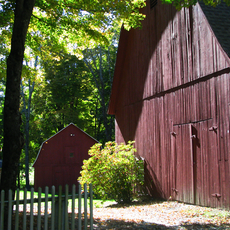
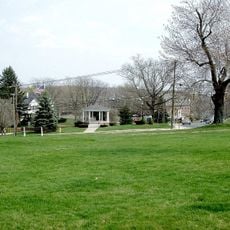
The grounds contain a garden designed by an English horticultural expert that represents one of the few surviving examples of her work in North America. This early twentieth-century garden offers visitors a contrast in design style compared to the colonial house itself.
The community of curious travelers
AroundUs brings together thousands of curated places, local tips, and hidden gems, enriched daily by 92,638 contributors worldwide.