Harriet Tubman Underground Railroad Visitor Center, African-American history museum in Church Creek, United States
The Harriet Tubman Underground Railroad Visitor Center is a museum documenting the escape routes and liberation missions of the Underground Railroad. The exhibits focus on the landscapes and locations connected to these dangerous journeys.
Harriet Tubman was born Araminta Ross in the early 1820s on Anthony Thompson's plantation near Madison, Dorchester County. Edward Brodess claimed her as an inheritance and moved her to his farm near Bucktown, about 10 miles east. After Brodess died in 1849 she fled to Pennsylvania, then returned repeatedly to lead relatives and others out. Maryland and the National Park Service broke ground on the 17-acre state park on March 9, 2013, the centenary of her death; the center opened March 10, 2017.
The center tells stories of family, freedom, and community through Harriet Tubman's life as a conductor helping people escape and later as a scout during the Civil War. Visitors encounter the personal accounts of those who risked their lives on the journey north.
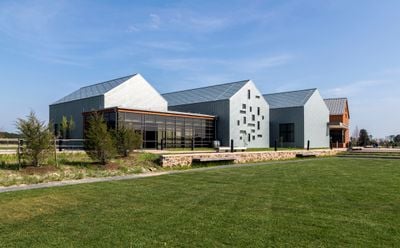
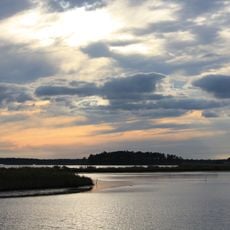
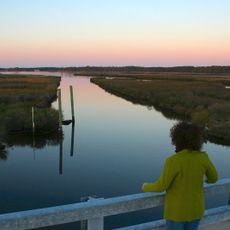
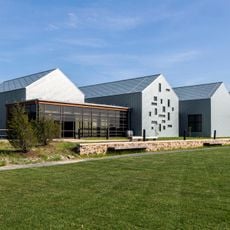
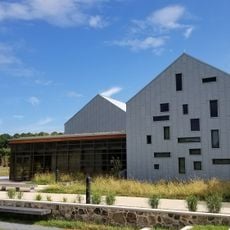
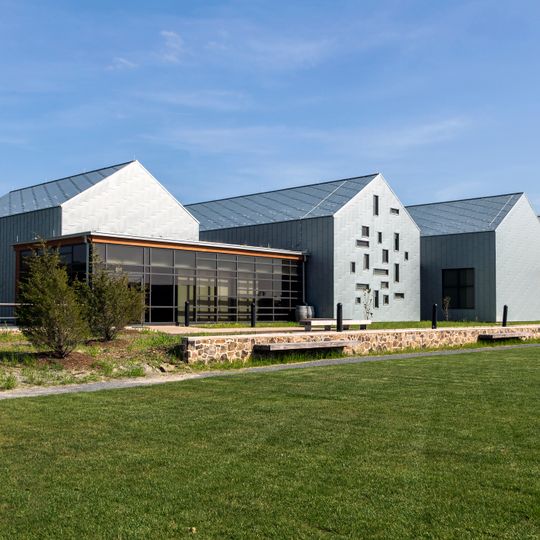
The center sits on Maryland Route 335 inside the state park, surrounded by Blackwater National Wildlife Refuge. The four buildings face north, the direction Tubman led people to freedom, and the exhibit halls narrow and darken before opening into brighter rooms. Paths and a memorial garden continue outside; the administration building houses the National Underground Railroad Network to Freedom program.
The four buildings are shaped like barns because Tubman and the people she led often slept in barns at night. The three exhibit buildings are clad in light green zinc, chosen as a self-healing material; the administration building is clad in wood. The complex faces north, the direction of freedom.
The community of curious travelers
AroundUs brings together thousands of curated places, local tips, and hidden gems, enriched daily by 92,571 contributors worldwide.