Cerutti Mastodon site, Paleontological site in San Diego, United States.
The Cerutti Mastodon site is a paleontological excavation in San Diego, California, discovered during roadworks in the early 1990s. Scientists unearthed mastodon bones there, accompanied by over 300 bone fragments and several stones that may have been used as tools.
Uranium-thorium dating established that the remains are about 130,700 years old, far earlier than most accepted evidence for human settlement in the Americas. This timeframe has triggered a global scientific discussion about the first arrival of people on the continent.
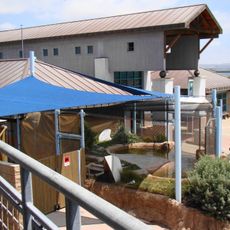
The San Diego Natural History Museum displays finds from this excavation and invites visitors to follow the debate about very early human traces on the North American continent. The bones and tools on show raise questions about when and how people first reached this part of the world.
Visitors can view the finds in the exhibitions of the San Diego Natural History Museum, as the actual excavation site is not open to the public. Scientists continue to work on the samples using advanced laboratory methods to clarify their significance for archaeology.
Five stones from the site show traces of impact marks and organic residues on their surface, which could indicate deliberate processing. Researchers debate whether these traces truly came from humans or arose through natural processes.
The community of curious travelers
AroundUs brings together thousands of curated places, local tips, and hidden gems, enriched daily by 90,754 contributors worldwide.