Lyman Laboratory of Physics, Physics laboratory at Harvard University, United States
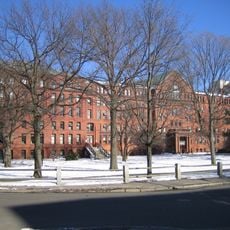
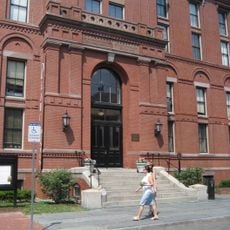
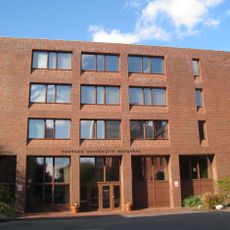
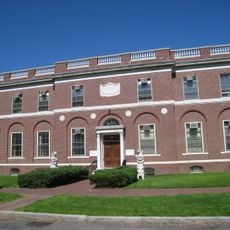
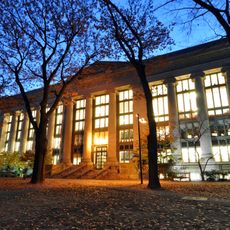
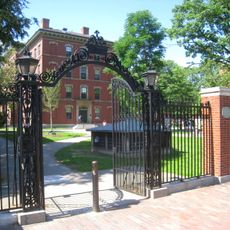
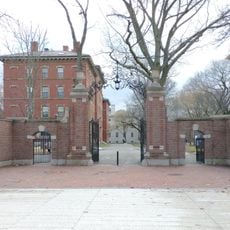
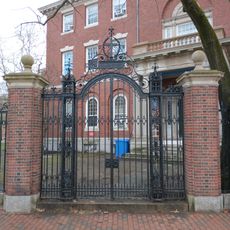
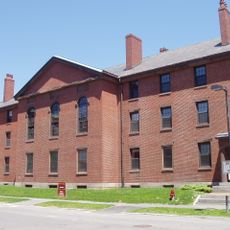
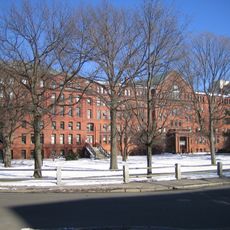
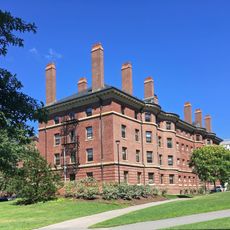
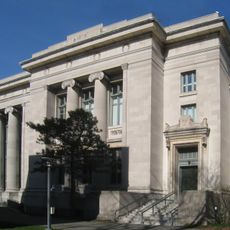
Lyman Laboratory of Physics is a research building at Harvard University in the North Yard, positioned between Jefferson and Cruft Laboratories at 17 Oxford Street. The brick structure contains offices, teaching spaces, laboratory areas, and equipment for experiments across multiple physics disciplines.
The Lyman Laboratory of Physics was built in the early 1930s to a design by Coolidge, Shepley, Bulfinch and Abbott. It is named for the physicist Theodore Lyman. Researchers who have worked there include Sheldon Glashow, Higgins Professor of Physics, Emeritus, and Richard Wilson, Mallinckrodt Professor of Physics, Emeritus.
The building is named for Theodore Lyman, a Harvard physicist known for his spectroscopy work, and it stands between the Jefferson and Cruft Laboratories in the North Yard. Visitors can note the Coolidge, Shepley, Bulfinch and Abbott design from the early 1930s. Sheldon Glashow, Higgins Professor of Physics, Emeritus, and Richard Wilson, Mallinckrodt Professor of Physics, Emeritus, have done research here.
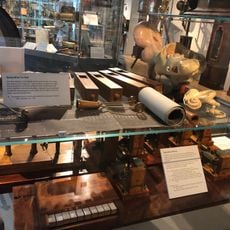
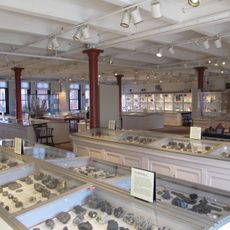
Lyman Laboratory sits in Harvard's North Yard, between Jefferson and Cruft Laboratories, at 17 Oxford Street in Cambridge. It is a working research and teaching building, not a museum, so laboratories and offices are generally closed to casual visitors. Those with a research or academic reason to enter should arrange access with the relevant Harvard Physics Department staff beforehand.
Lyman Laboratory is where Ranga P. Dias, then a post-doctoral fellow, and Isaac F. Silvera, Thomas D. Cabot Professor of the Natural Sciences, reported experimental evidence for solid metallic hydrogen. The claim, made in a building designed by Coolidge, Shepley, Bulfinch and Abbott, drew wide attention to the North Yard lab.
The community of curious travelers
AroundUs brings together thousands of curated places, local tips, and hidden gems, enriched daily by 93,316 contributors worldwide.