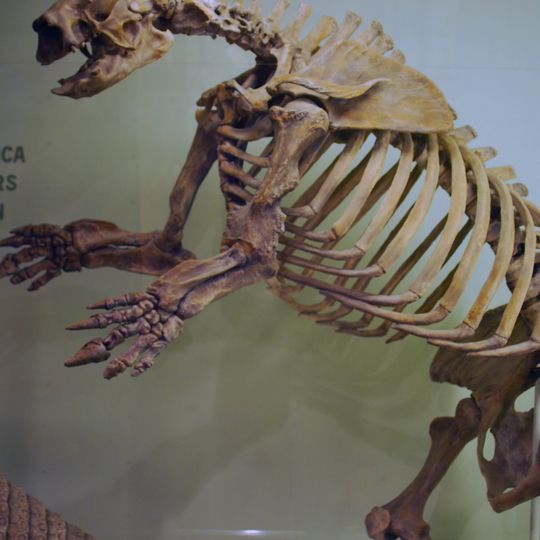
Museum of Comparative Zoology, Research museum at Harvard University, Cambridge, United States.
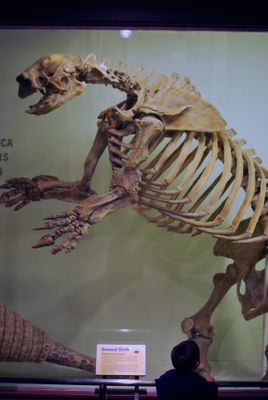
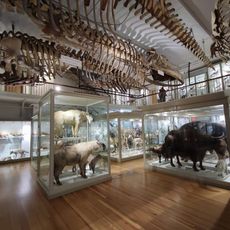
The Museum of Comparative Zoology is a research and teaching institution at Harvard University in Cambridge, Massachusetts, housing one of the largest animal collections in North America. The collection spans nearly every animal group, from insects and fish to large mammals, displayed across several exhibition halls within the building.
Louis Agassiz, a Swiss naturalist who joined Harvard, founded the museum in 1859 with the goal of building a scientific animal collection for study and teaching. Decades of field expeditions across the globe, along with donations from researchers and private collectors, shaped the collection into what it is today.
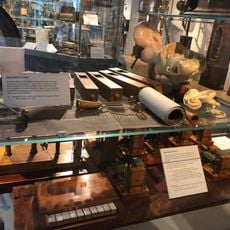
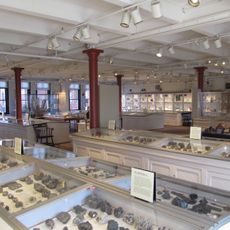
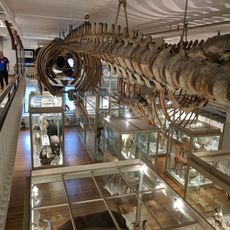
The museum is part of the Harvard Museum of Natural History complex, which is open to the public and shares its building with other natural history collections. Visitors walk through rooms filled with mounted animals, preserved specimens in glass jars, and skeletons displayed in wooden cases that date back to the 19th century.
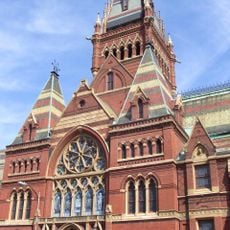
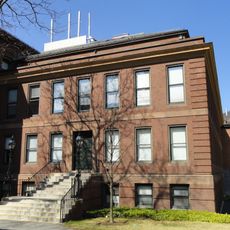
The museum sits on the main Harvard campus in Cambridge, within walking distance of Harvard Square. Admission is free for children and reduced for students, and the exhibition halls are laid out so visitors can move through them in any order.
Among the specimens is a coelacanth, a type of fish long thought to be extinct before one was caught alive off South Africa in 1938. The museum received a preserved example, making it one of the few public collections in the world to hold one.
The community of curious travelers
AroundUs brings together thousands of curated places, local tips, and hidden gems, enriched daily by 60,000 contributors worldwide.









![Gund Hall - Graduate School of Design [Harvard University]](https://img9.digsty.com/MxS4GVZZ6ceYqvq7BmvRuupz_5GuWC2qfiT2RNpQJoc/rs:fill:230:230:1/g:fp:0.5:0.5/czM6Ly9hcm91bmR1cy8xNC8xNjU4ODA5MjItOTIwYmE4YTUuanBn.jpg)
