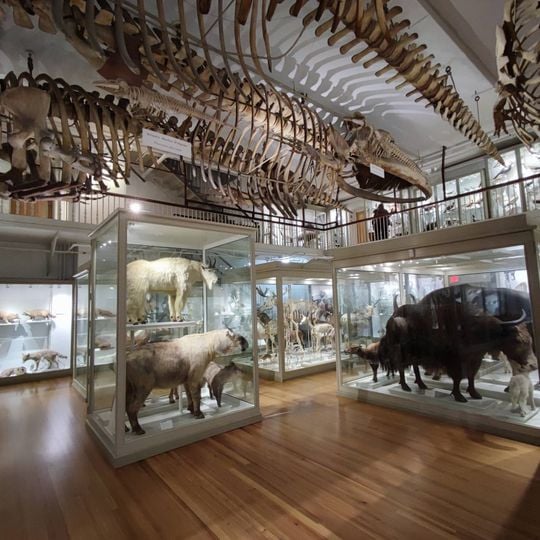
The Harvard Museum of Natural History, Natural history museum in Cambridge, US
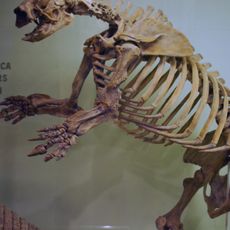
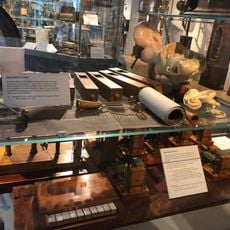
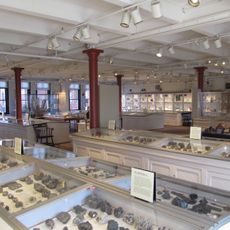
The Harvard Museum of Natural History is a natural history museum in Cambridge housing extensive collections of preserved animals, minerals, and the renowned Glass Flowers exhibition with thousands of botanical models. The displays span multiple floors and include specimens collected over many decades of scientific research and fieldwork.
The museum was founded in 1998 through the combination of three research museums at Harvard University, representing a scientific tradition spanning over 150 years. This merger unified different collections under one roof and created one of the major natural history institutions in the country.
The museum functions as a space where scientific work meets public learning, letting visitors observe how researchers investigate the natural world. People come to understand what questions scientists ask and how they find answers through careful study.
The museum is centrally located in Cambridge and easily accessible by public transportation, with clear signage and multiple entrances. Most visitors need two to three hours to see the main galleries, though you can spend more time if you explore slowly or read detailed labels.
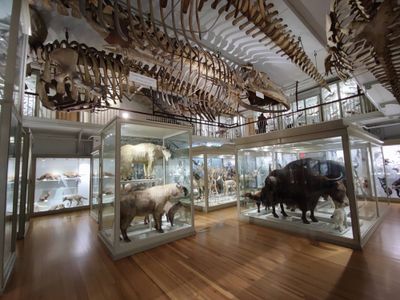
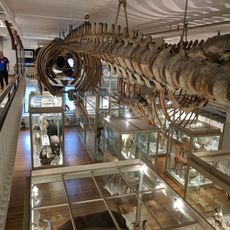
The Great Mammal Hall features a complete giraffe skeleton and six suspended whale skeletons hanging from the Victorian-era steel and glass ceiling. This dramatic display creates an unforgettable impression of the scale and diversity of the largest land and sea creatures.
The community of curious travelers
AroundUs brings together thousands of curated places, local tips, and hidden gems, enriched daily by 92,156 contributors worldwide.
















![Gund Hall - Graduate School of Design [Harvard University]](https://img9.digsty.com/MxS4GVZZ6ceYqvq7BmvRuupz_5GuWC2qfiT2RNpQJoc/rs:fill:230:230:1/g:fp:0.5:0.5/czM6Ly9hcm91bmR1cy8xNC8xNjU4ODA5MjItOTIwYmE4YTUuanBn.jpg)
