Anah, human settlement in Iraq
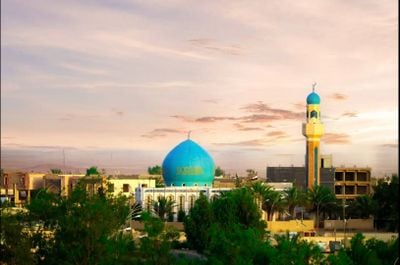
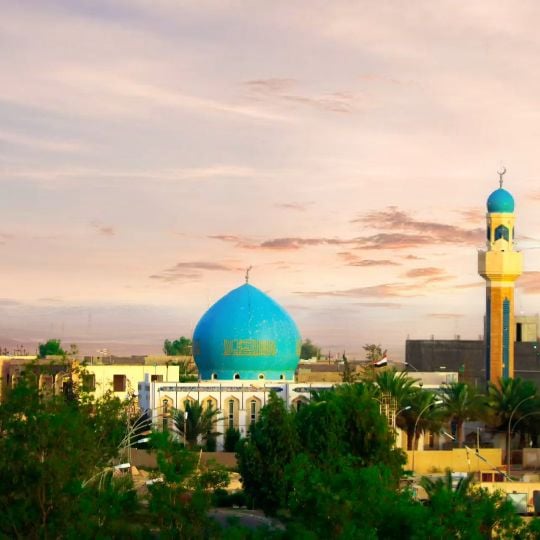
Anah is a small settlement along the Euphrates River in Al Anbar Governorate, featuring narrow streets with clay and stone houses. The town contains archaeological remains from different periods and sits on flat plains where the river has shaped both the landscape and daily life for thousands of years.
Anah was founded roughly 4000 years ago and later became part of Babylonian and Assyrian kingdoms before entering the Islamic world. In 7 AH, the Muslim commander Amr ibn Saeed captured it for Caliph Umar, marking the beginning of its Islamic period.
The name Anah has remained unchanged for thousands of years, making it distinctive among ancient settlements that have disappeared or been renamed. Today, residents continue traditional crafts like weaving textiles and working with leather, which visitors can observe in the town's quiet streets.
The town is best explored on foot and lies near the Euphrates, making the riverside walks particularly rewarding. Summer heat is intense here, so plan visits for early mornings or late afternoons and bring plenty of water.
The old city was submerged by the Haditha Dam in the mid-1980s, erasing ancient streets and buildings after thousands of years of continuous settlement. Despite this loss, residents keep the town's history and traditions alive through stories passed down across generations.
The community of curious travelers
AroundUs brings together thousands of curated places, local tips, and hidden gems, enriched daily by 92,652 contributors worldwide.