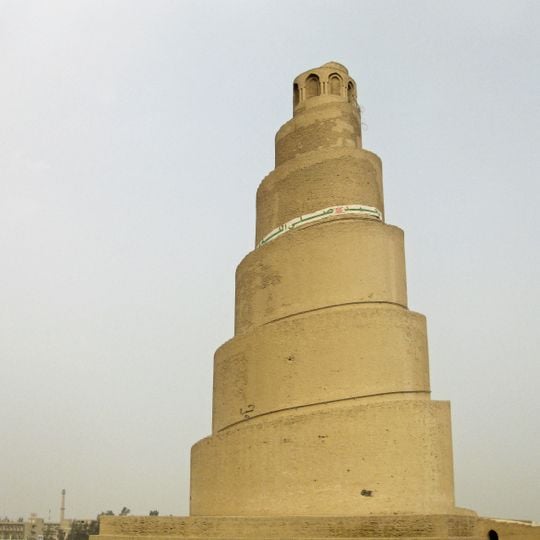
Abbasid Samarra, Archaeological site in Samarra, Iraq
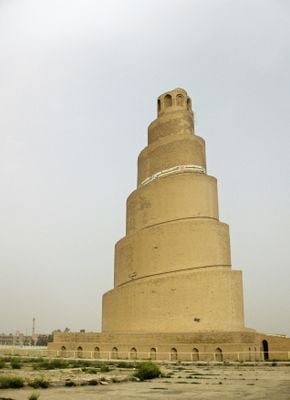
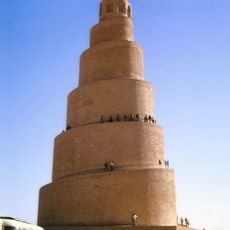
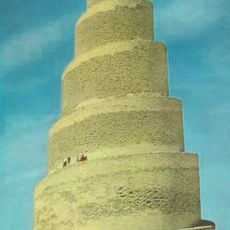
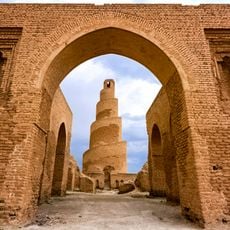
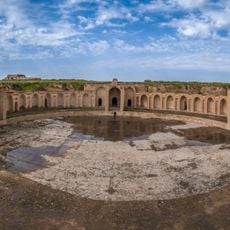
Abbasid Samarra is an archaeological site in the city of Samarra, Iraq, stretching more than 40 kilometers along the Tigris River. Palaces with inner courtyards, several mosques, and residential quarters made of mud brick form the sprawling grounds of this medieval capital.
The Abbasid caliphs moved their seat of government here in 836 and built a complete city within a few decades. After 892 the rulers returned to Baghdad and left the settlement to gradually decline.
The name Samarra comes from the Arabic phrase meaning "he who sees it rejoices," reflecting how the caliphs felt when they first saw the area. Residents of the modern town live among the archaeological remains and sometimes use ancient structures as part of their daily environment.
The grounds lie in a dry climate and offer little shade, so visiting during cooler morning hours is advisable. Some areas are difficult to walk through because of loose sand and uneven surfaces.
Aerial photographs show the complete street network of the city with houses and public buildings that remains largely preserved beneath the ground. Only one fifth of the complex has been uncovered so far, with the rest still waiting for further research.
The community of curious travelers
AroundUs brings together thousands of curated places, local tips, and hidden gems, enriched daily by 60,000 contributors worldwide.