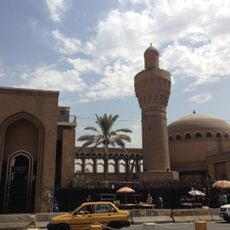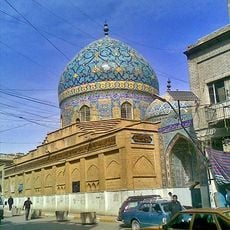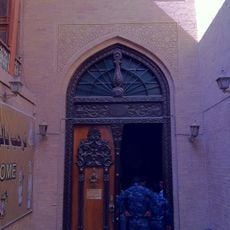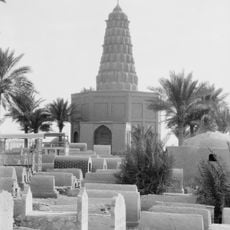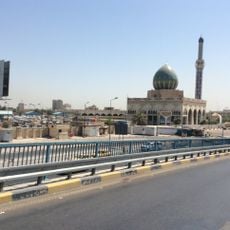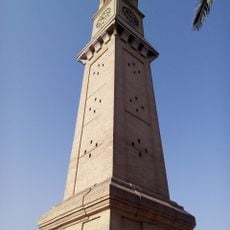
Al Mardiyah Mosque, Ottoman mosque in Baghdad, Iraq.
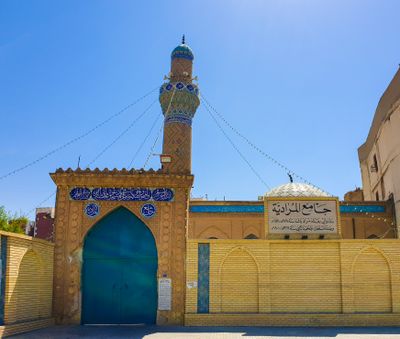
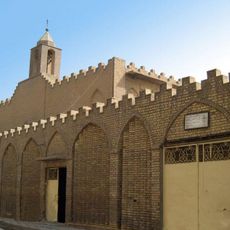
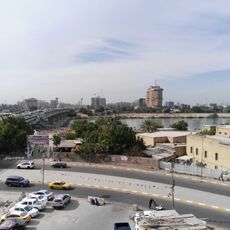
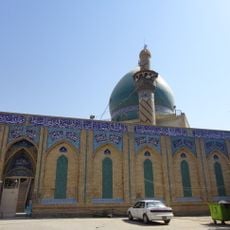
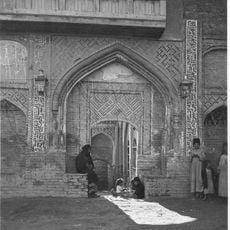
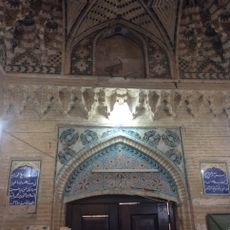
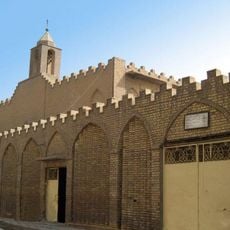
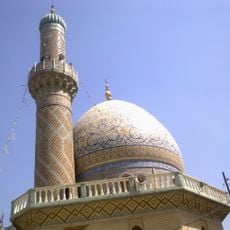
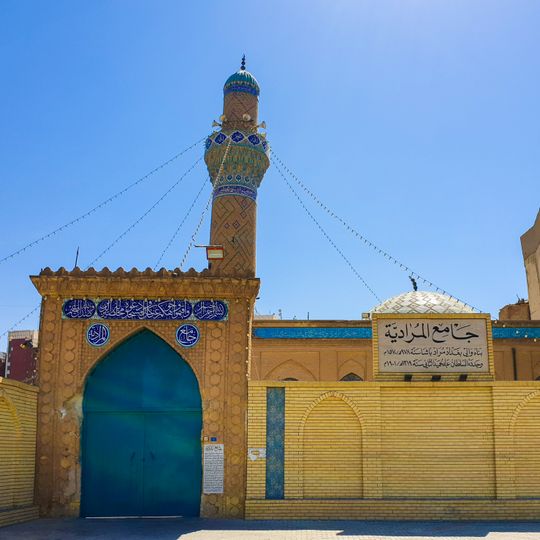
Al Mardiyah Mosque is an Ottoman-era structure located in Baghdad's al-Rusafa district near the Tigris River and displays traditional Islamic features. The building shows intricately worked tilework, Arabic inscriptions, and a central prayer hall with characteristic architectural elements from that period.
Construction began in 1566 under Murad Pasha, Ottoman governor of Baghdad, and the mosque was completed in 1570, taking his name; a celebration marked its opening. In 1686 Governor Ahmed Pasha Albu Shanaq renovated the attached khan and added a water pipe for the mosque's services. It was renovated again in 1903 and restored in 2009 by the Sunni Endowment Office, when many Baghdad religious buildings were neglected.
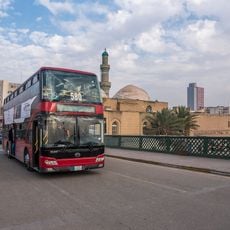
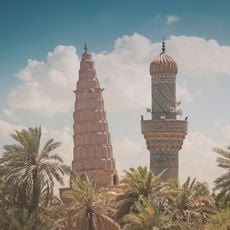
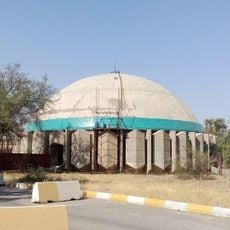
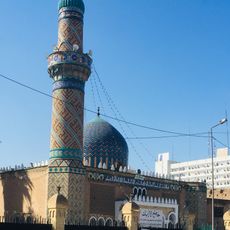
The mosque is also known as Murad Pasha Mosque, after the Ottoman governor who ordered its construction. Its central dome is nicknamed "the Chinese Dome" because of the serrated edge of its rim, and the interior is ringed with Qur'anic verses around the dome's neck. The minaret, on the northwest corner of the summer chapel, follows the Abbasid Baghdadi style with a spiral staircase and muqarnas.
Visitors should prepare for standard mosque etiquette, including removing shoes and wearing clothing that covers arms and legs. It helps to learn about prayer times beforehand, as these can affect visitor access to the space.
The central dome is nicknamed "The Chinese Dome" because its rim is serrated in a way similar to Chinese architecture. The minaret, on the northwest corner of the summer chapel, follows the Abbasid Baghdadi style with a spiral staircase and no Ottoman influence.
The community of curious travelers
AroundUs brings together thousands of curated places, local tips, and hidden gems, enriched daily by 93,854 contributors worldwide.