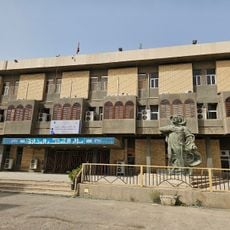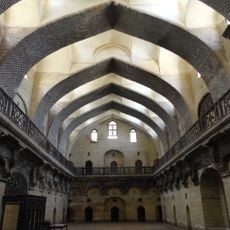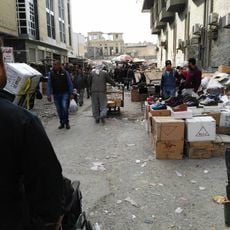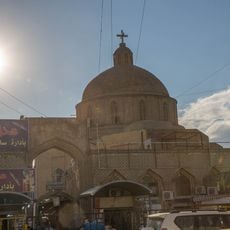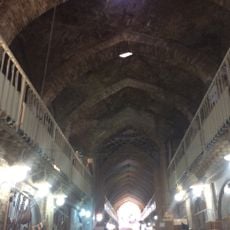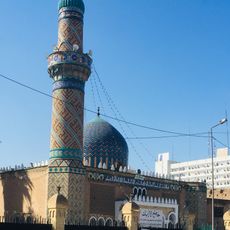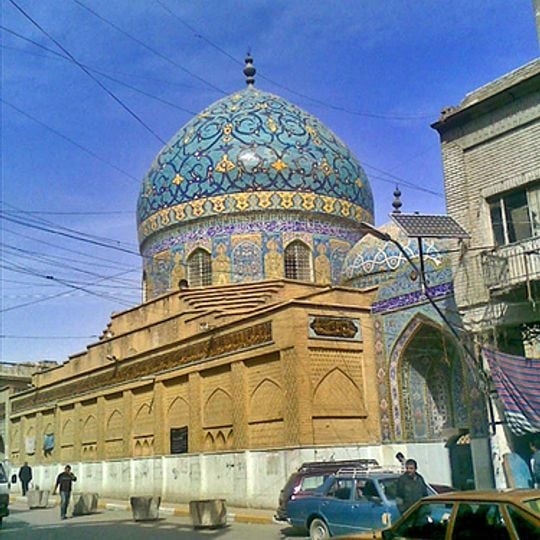
Haydar-Khana Mosque, Ottoman mosque in Rusafa district, Baghdad, Iraq
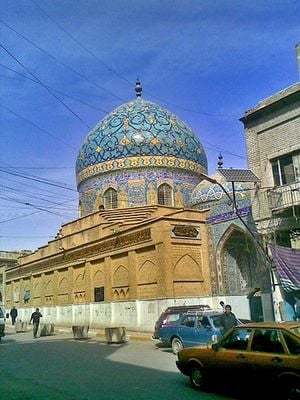
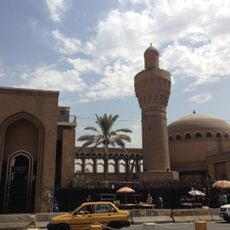
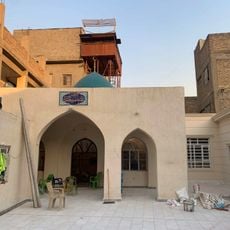
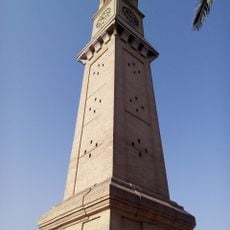
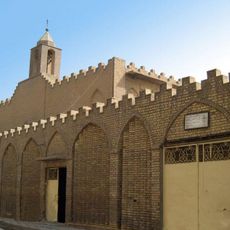
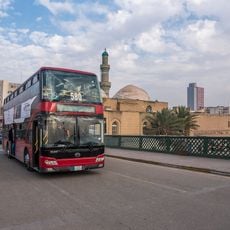
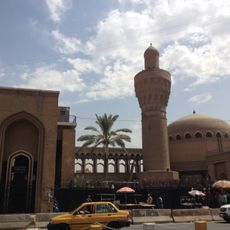
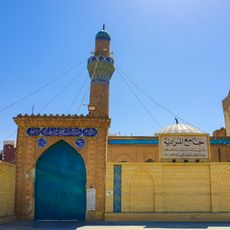
The Haydar-Khana Mosque is a place of worship built in Ottoman architectural style and located in Baghdad's Rusafa district. It features three marble entrance doors, a large blue dome, and a minaret decorated with ornamental tiles facing Al-Rashid Street.
The Abbasid caliph al-Nasir laid the foundations of an earlier mosque on this site; the present building was rebuilt and enlarged by Dawud Pasha, last Mamluk ruler of Ottoman Iraq, between 1819 and 1827. Dawud Pasha added the Dawudiyya madrasa and an attached library, and repairs followed under Mahmud II in 1827 and Abdülhamid II in 1890. A stone found during the 1972 renovation records that a man named Hasan rebuilt the mosque in 1207 AH.
Iraqis call it the "Revolutionary Mosque" because the 1920 gatherings of Baghdad's notables that opened the Iraqi Revolt were held here, and Mulla Uthman al-Mawsili preached from it. In 1948 the poet al-Jawahiri climbed a ladder to its roof to recite a poem for his brother Ja'far, killed on what is now al-Shuhada' Bridge. Friday and the five daily prayers are held here today.
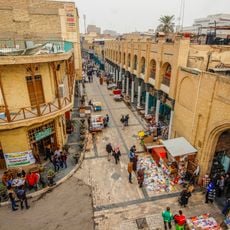
The mosque stands on al-Rashid Street in the Haydar-Khana district, next to the gate to al-Mutanabbi Street and the Hajj Khalil Café. It is an active place of worship, with Friday prayer and the five daily prayers held there. Visitors should dress modestly and avoid entering during prayer; the winter prayer hall is raised about two cubits above ground.
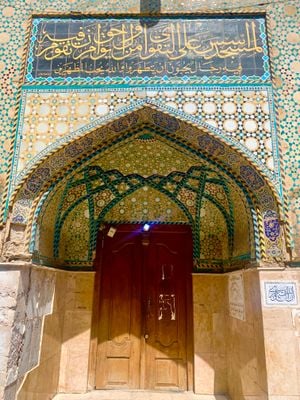
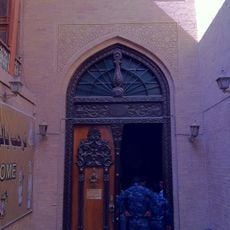
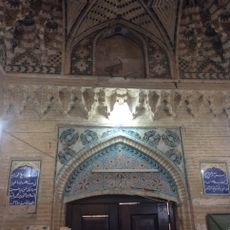
A stone found during the 1972 restoration records that a man named Hasan rebuilt the mosque in 1207 AH. The wooden door on the west side carries Kufic script of Qur'an 3:16–17 and the date 1311 AH, while verses praising Dawud Pasha are carved on three sides of the main door with the completion date 1242 AH.
The community of curious travelers
AroundUs brings together thousands of curated places, local tips, and hidden gems, enriched daily by 92,640 contributors worldwide.