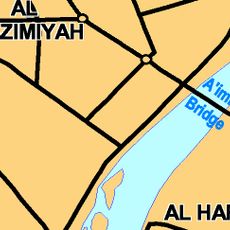
Abu Hanifa Mosque, Ottoman mosque in Al-Adhamiyah district, Baghdad, Iraq
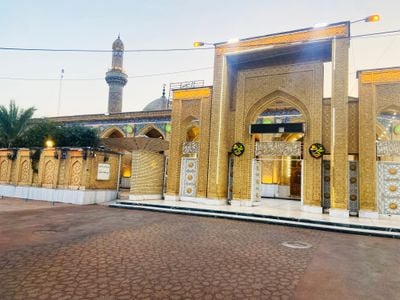
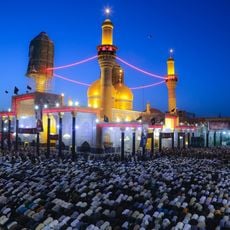
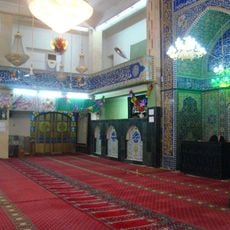
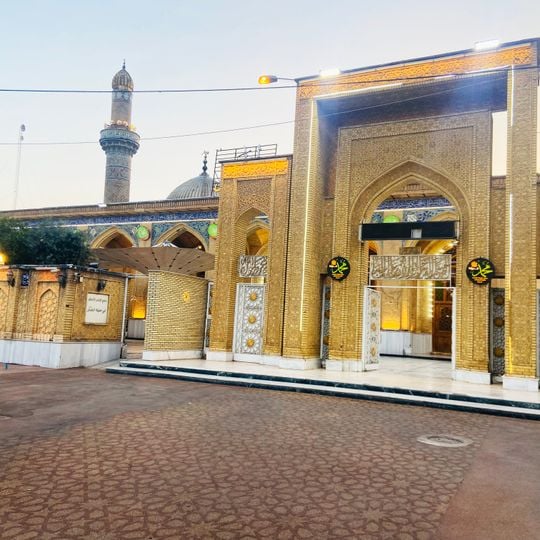
Abu Hanifa Mosque is an Ottoman-era house of worship in the Al-Adhamiyah district that rises with high domes, slender minarets, and ornate calligraphy carved into its white stone walls. The central courtyard and prayer spaces display classical Ottoman architectural details throughout their design.
The mosque was founded in 985 CE next to Abu Hanifa's tomb and underwent major changes during the 11th century with the addition of its dome. In the 16th century, Ottoman leadership expanded the complex significantly, reshaping its structures.
The mosque serves as the central institution for teaching Hanafi jurisprudence, making it the third oldest continuing educational center after Al-Qarawiyyin and Al-Azhar.
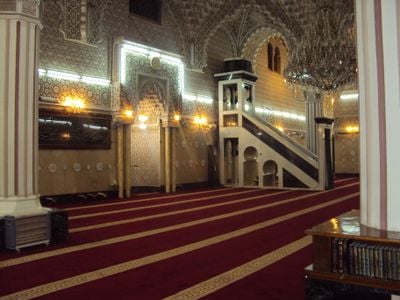
The site includes several prayer halls, a library holding historic manuscripts and Quran copies, and teaching spaces spread throughout the building. Visitors should dress appropriately and plan around prayer times when exploring the grounds.
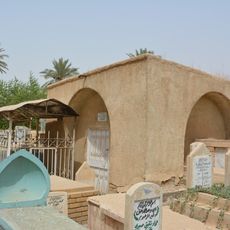
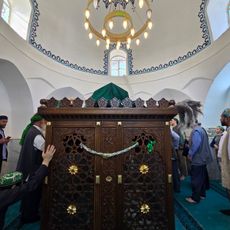
The building houses the tomb of Abu Hanifa himself, the 8th-century Islamic scholar after whom it is named. This burial site draws visitors seeking to pay respects to a key figure in Islamic jurisprudence.
The community of curious travelers
AroundUs brings together thousands of curated places, local tips, and hidden gems, enriched daily by 60,000 contributors worldwide.