Samarra, Archaeological site and religious center in Saladin Governorate, Iraq.
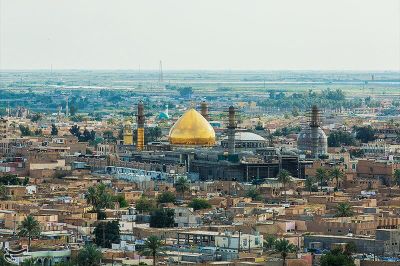
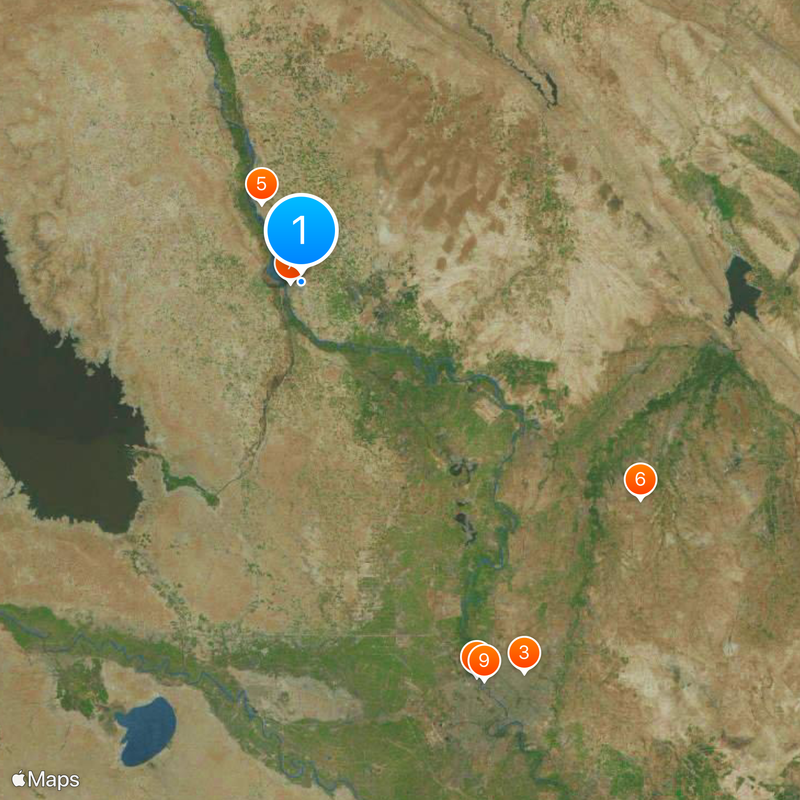
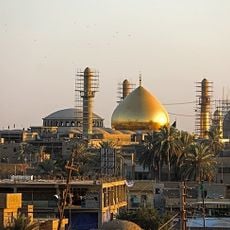
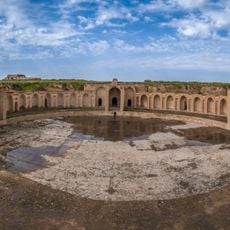
Samarra is an archaeological site and religious center in Salah ad-Din Governorate, Iraq. The city spreads along the eastern bank of the Tigris River for roughly 32 kilometers and displays remnants of old buildings and shrines from several periods.
The Abbasid caliph al-Mu'tasim founded the city in 836 as the new administrative capital of the empire. The settlement grew quickly into an important center for government and military affairs until the caliphs returned to Baghdad roughly 50 years later.
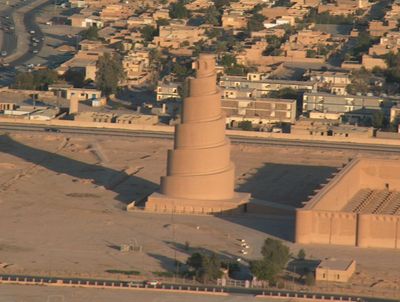
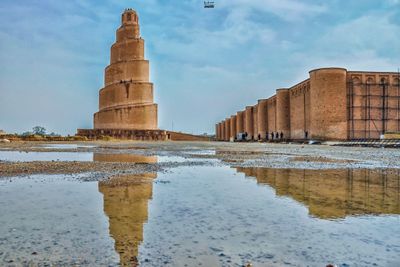
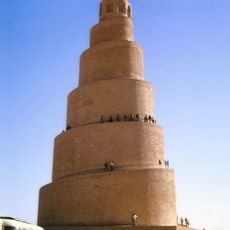
The Great Mosque with its spiral minaret Malwiya stands as one of the defining structures of the Abbasid era. The winding tower once served as the place for the call to prayer and continues to shape the skyline of the old city.
Visitors need special permits and guided tours to enter the archaeological zones, which cover several excavation sites. Movement in the region may face restrictions, so prior planning with local authorities is advisable.
Excavations between 1911 and 1914 uncovered remains of prehistoric settlements dating back to the 5th millennium BCE. These early traces show that the area was inhabited long before the Abbasid city was founded.
The community of curious travelers
AroundUs brings together thousands of curated places, local tips, and hidden gems, enriched daily by 60,000 contributors worldwide.