Eshnunna, Archaeological site in Baqubah, Iraq
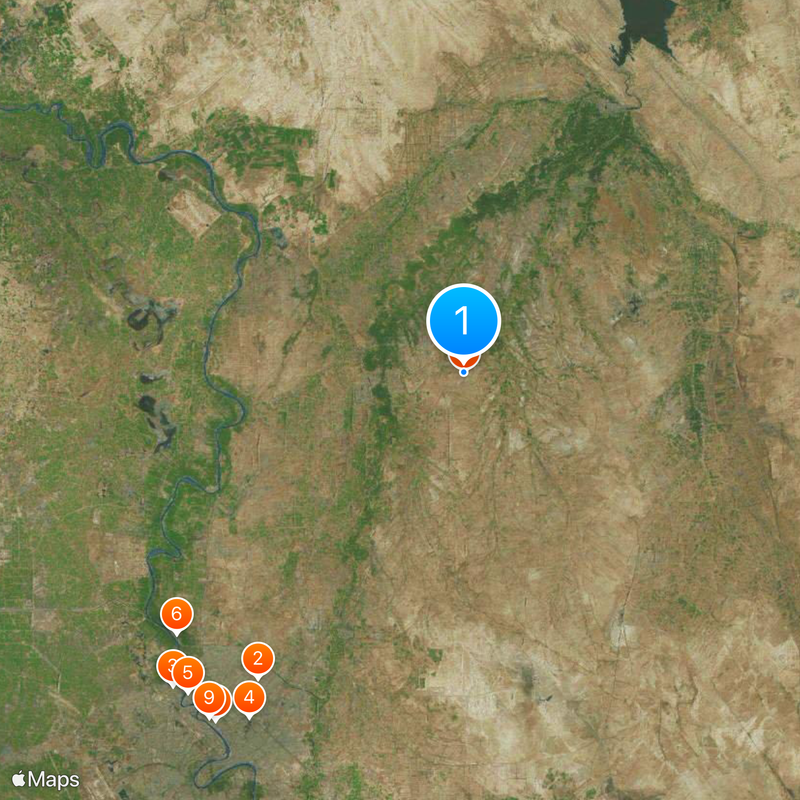
Eshnunna is an archaeological site in Baqubah, Iraq, containing the remains of a major ancient city located in the Diyala River valley northeast of Baghdad. The excavations reveal foundations of residential buildings, streets, and public structures spread across multiple settlement layers, offering insight into urban planning.
The city developed from around 2500 BCE as an important trading center between the Mesopotamian plains and the Iranian highlands. After a flourishing period in the 19th century BCE, it was conquered by Hammurabi of Babylon around 1750 BCE and subsequently abandoned.
The temple complex of Eshnunna, built from mud bricks, shows the religious practices of early Mesopotamian inhabitants and their worship of trade and justice deities. These structures reflect the daily importance of religion in urban life, where temples also served as administrative centers.
A visit requires permission from the relevant authorities, as this is an active research site. The paths between excavation areas are uneven and difficult to walk on when wet, so sturdy footwear and dry weather are advisable.
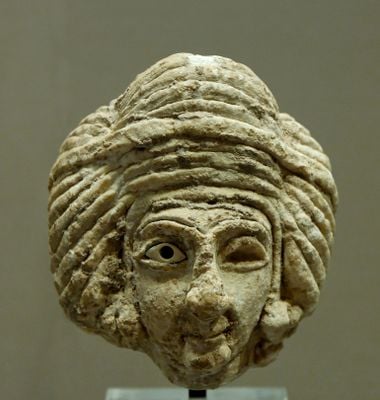
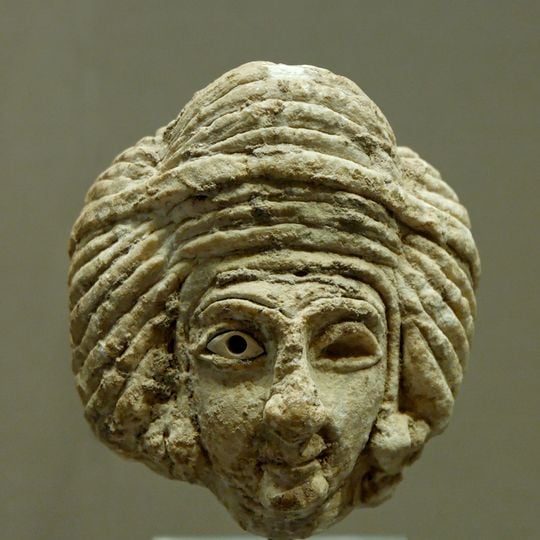
The temples at Tell Asmar, a part of the city, contained several small statues with remarkably large eyes, now displayed in international museums. These figures were interpreted as stand-ins for worshippers, praying permanently before the gods.
The community of curious travelers
AroundUs brings together thousands of curated places, local tips, and hidden gems, enriched daily by 60,000 contributors worldwide.