Assur, Archaeological site in Saladin Governorate, Iraq
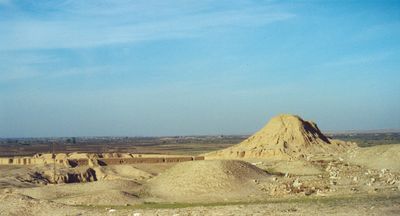
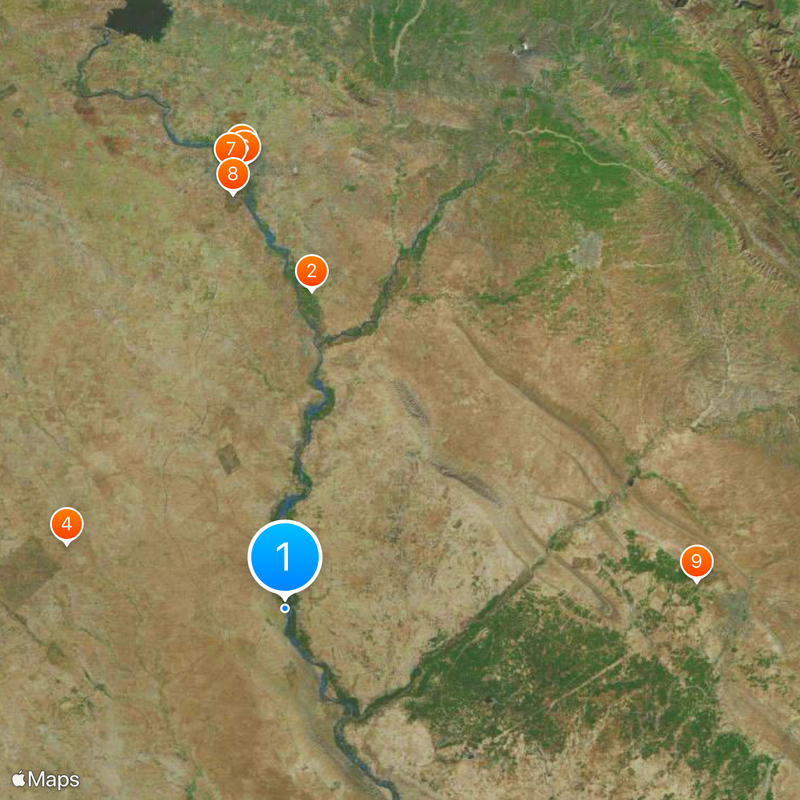
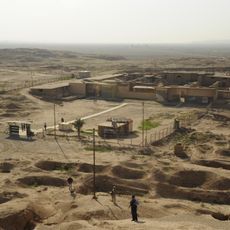
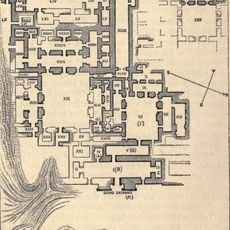
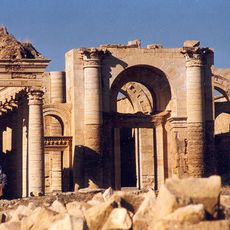
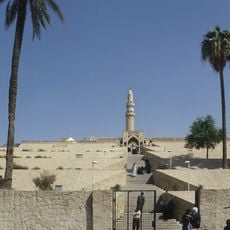
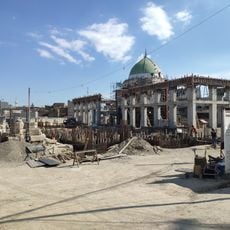
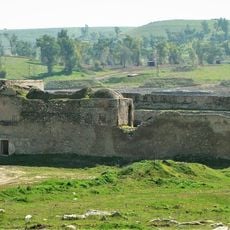
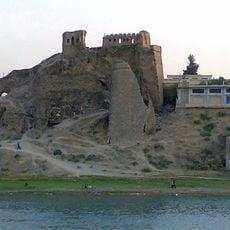
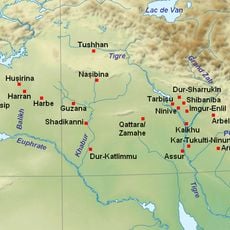
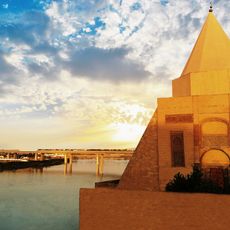
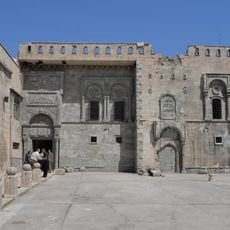
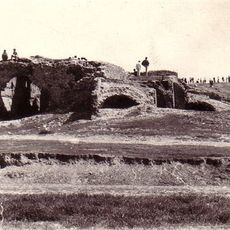
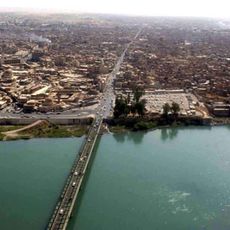
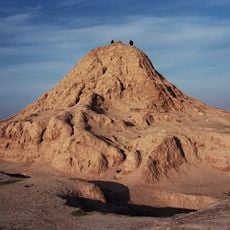
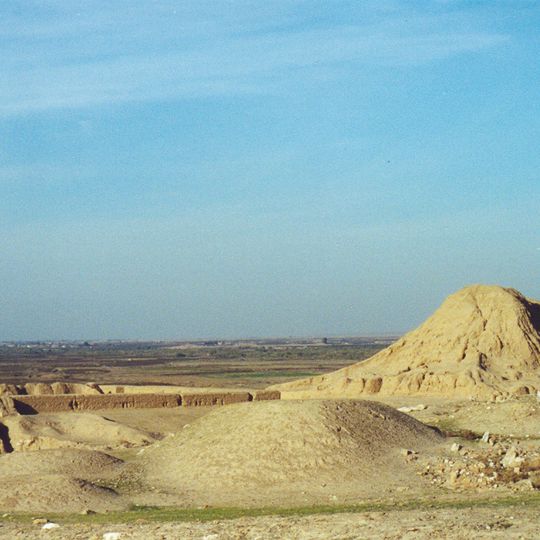
Assur is an archaeological site in Saladin Governorate, Iraq, where remnants of a Mesopotamian metropolis lie along the Tigris riverbank. The remains include several temple compounds, residential buildings, and massive fortifications that spread across a wide terrain, offering insight into ancient urban planning and construction methods.
The settlement emerged around 2500 BCE and grew into the political and religious center of an expanding empire. Babylonian forces captured and destroyed the city in 614 BCE, ending its role as a seat of power.
The city takes its name from the supreme deity worshipped throughout its history, whose presence shaped every corner of daily life. Visitors today can trace the foundations of sanctuaries where priests performed rituals and offerings, while merchants and craftsmen conducted their trades in the surrounding quarters.
The ruins sit in a remote riverside area where access may vary depending on the season and local conditions. Visitors should wear sturdy footwear, as the terrain is uneven and many zones remain difficult to navigate due to exposed stones and layers of debris.
German archaeologists recovered thousands of inscribed clay tablets from the ground, which later helped scholars decipher cuneiform script. A special chamber within the defensive circuit allowed soldiers to exit the walls unseen and surprise attackers from behind.
The community of curious travelers
AroundUs brings together thousands of curated places, local tips, and hidden gems, enriched daily by 60,000 contributors worldwide.