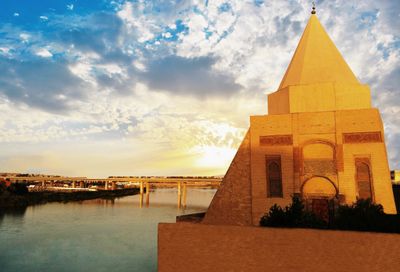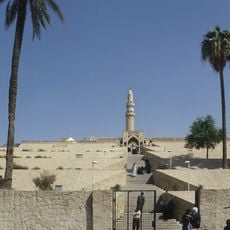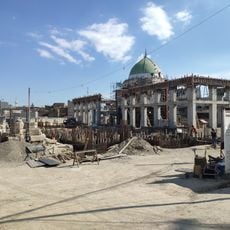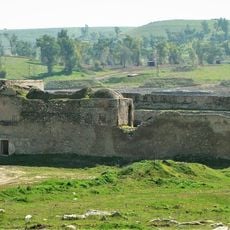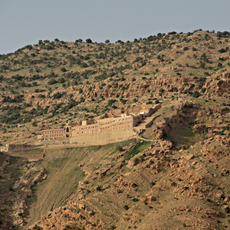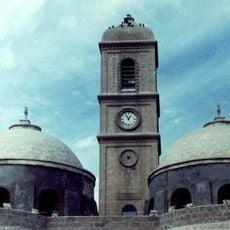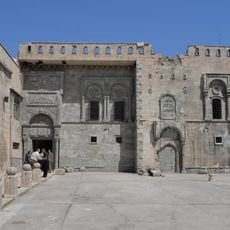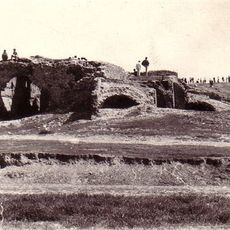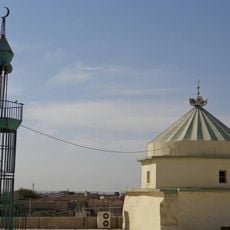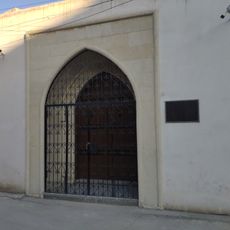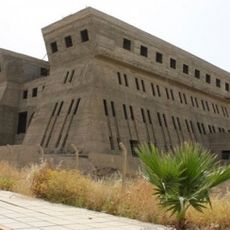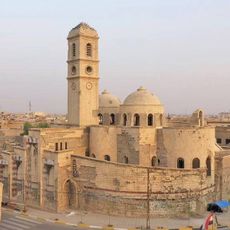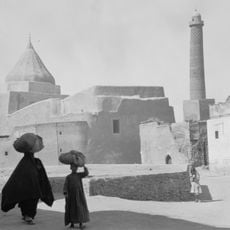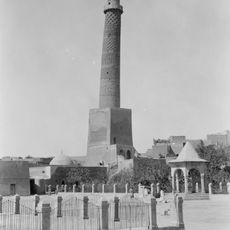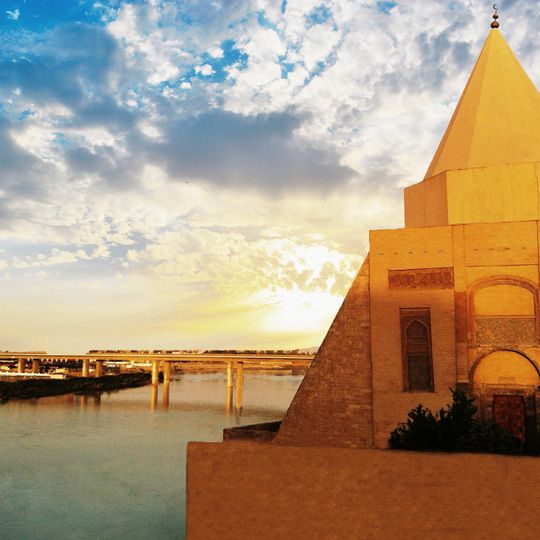
The Shrine of Yahya Abu al-Qasim, Islamic shrine in northern Mosul, Iraq.
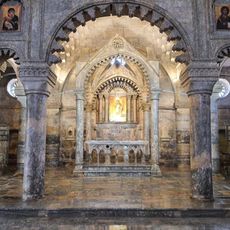
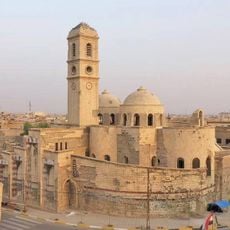
The Shrine of Yahya Abu al-Qasim was a cube-shaped mausoleum in Mosul with a pyramidal roof that contained intricately decorated muqarnas work inside. The exterior walls displayed a distinctive pattern made from turquoise bricks that set the building apart visually from surrounding structures.
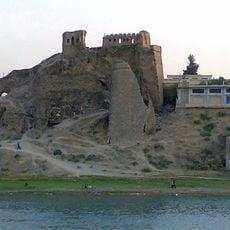
The mausoleum was built in 1239 during the reign of Badr al-Din Lu'lu and housed the tomb of Yahya ibn Al-Qasim, a descendant of Ali ibn Abi Talib. Its location along the Tigris River shaped how the structure related to its natural surroundings over the centuries.
The structure represented medieval Iraqi architectural traditions through its combination of Seljuk design elements, including columns, mihrab, and conical dome features.
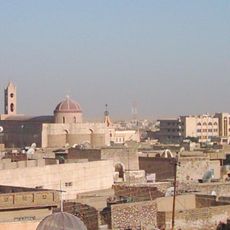
The shrine was once accessed by walking through the old city of Mosul and stood in a populated residential area next to shops and homes. Proximity to the Tigris made a visit on foot worthwhile during certain seasons, though access required careful planning based on local conditions.
Two massive buttresses on the east facade were specifically built to protect the structure from erosion caused by its immediate proximity to the Tigris. This engineering solution was unusual for medieval Mosul architecture and demonstrated practical solutions for buildings along river banks.
The community of curious travelers
AroundUs brings together thousands of curated places, local tips, and hidden gems, enriched daily by 92,601 contributors worldwide.