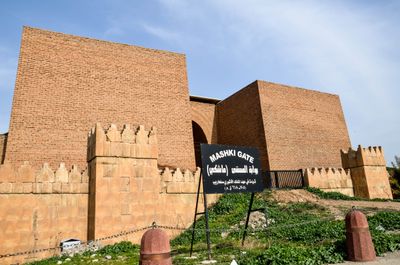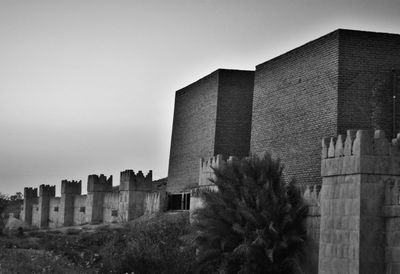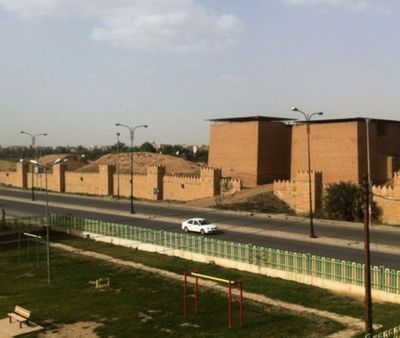
Nineveh, Archaeological site in Mosul, Iraq
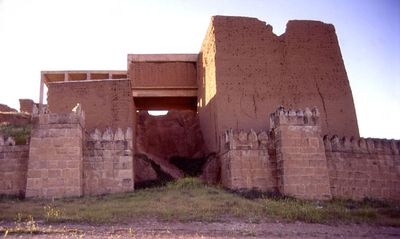
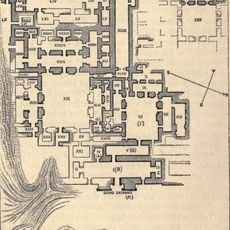
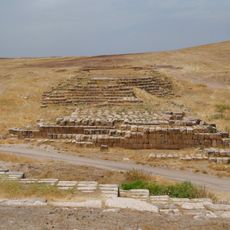
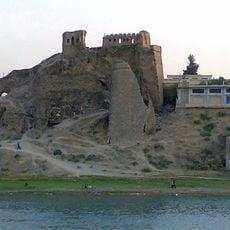
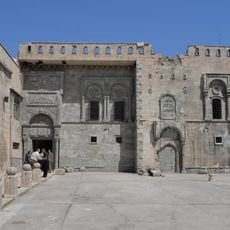
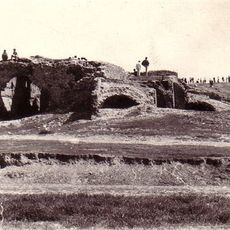
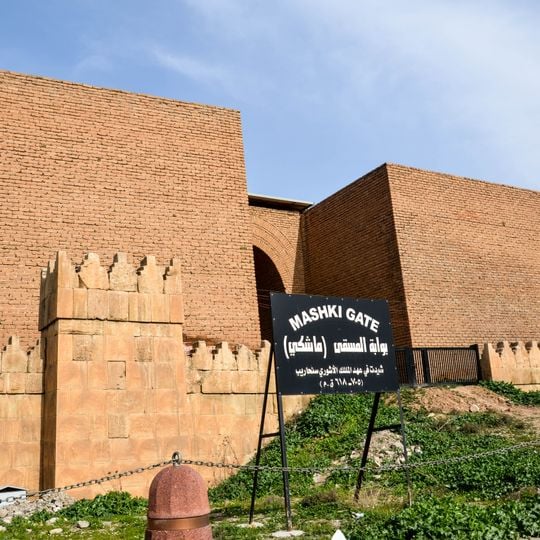
Nineveh spreads across two large mounds, Tell Kuyunjiq and Tell Nabi Yunus, on the eastern bank of the Tigris River, covering 750 hectares within ancient walls. The site reveals palace foundations, temple ruins, and residential quarters distributed over multiple levels.
The settlement reached its height around 700 BCE under King Sennacherib, when water supply systems and large buildings were erected. Babylonian forces destroyed the city in 612 BCE after a three-month siege.
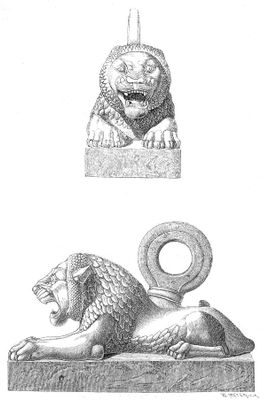
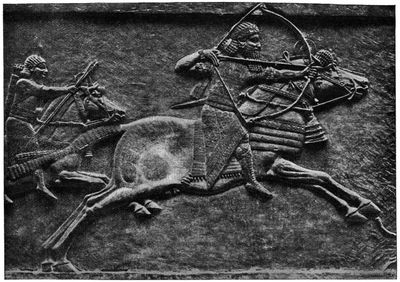
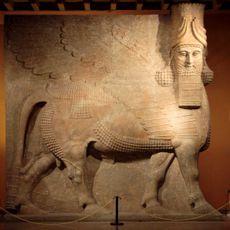
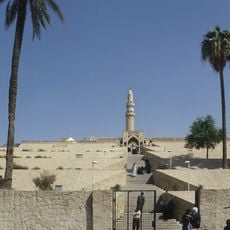
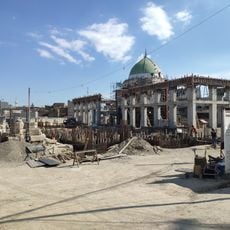
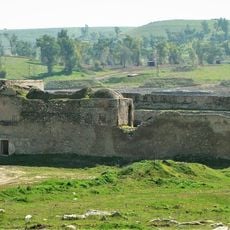
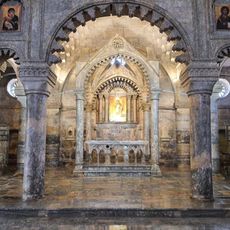
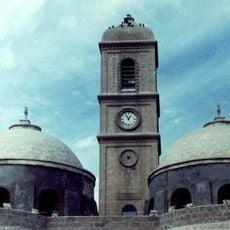
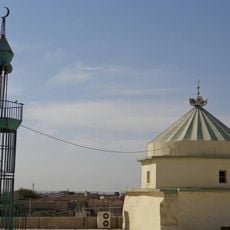
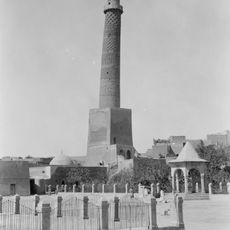
The site's name comes from Akkadian Ninua, written with a fish inside a house sign, possibly meaning "place of fish" or referring to a fish-linked goddess. The Arabic name Nebi Yunus honors the prophet Jonah, whose shrine stood on Tell Nebi Yunus until ISIS destroyed it in 2014. Assyrian sculptures excavated here are now in museums worldwide, not viewable at the ruins.
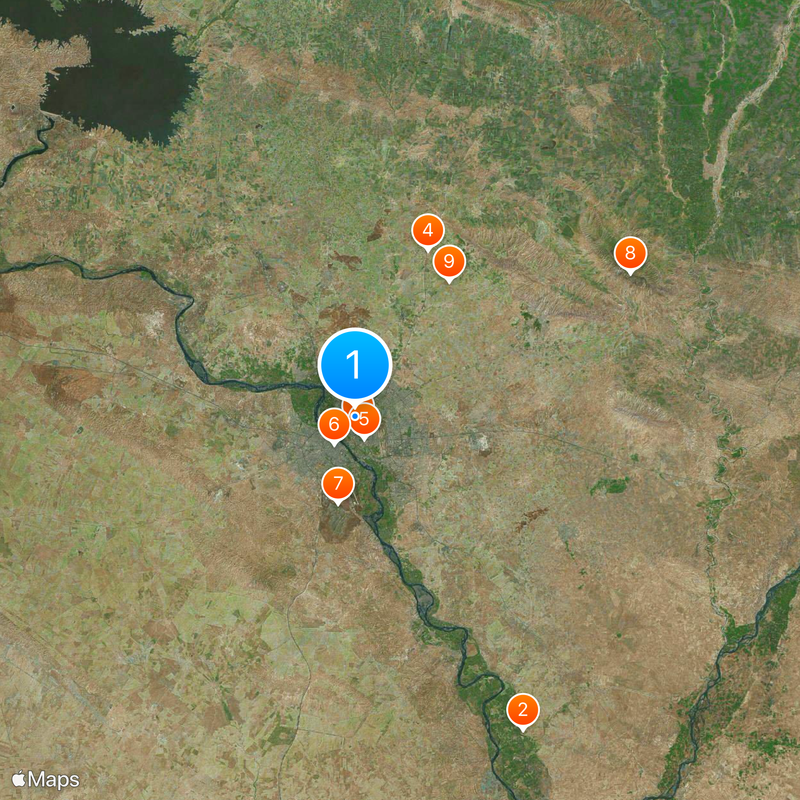
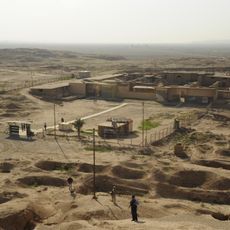
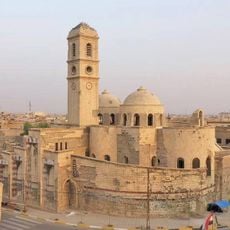
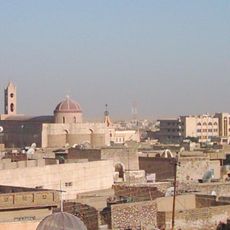
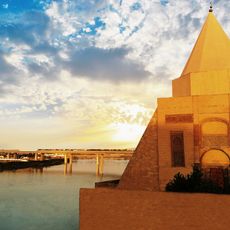
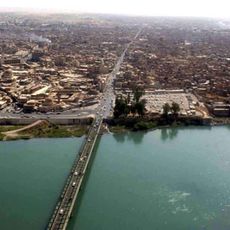
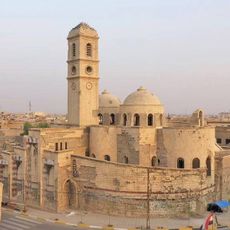
The ruins lie on the eastern bank of the Tigris, across the river from Mosul's historic centre, split by the Khosr River into Kuyunjiq to the north and Nebi Yunus to the south. The Nebi Yunus mound is largely covered by the suburb of eastern Mosul, so the open excavation areas are mainly at Kuyunjiq. Check current security conditions before travelling.
The royal library of Ashurbanipal contained over 20,000 clay tablets with texts on medicine, astronomy, mathematics, and the Epic of Gilgamesh. This collection is considered one of the earliest systematic archives in human history.
The community of curious travelers
AroundUs brings together thousands of curated places, local tips, and hidden gems, enriched daily by 92,317 contributors worldwide.