Dur-Sharrukin, Archaeological site in northern Iraq
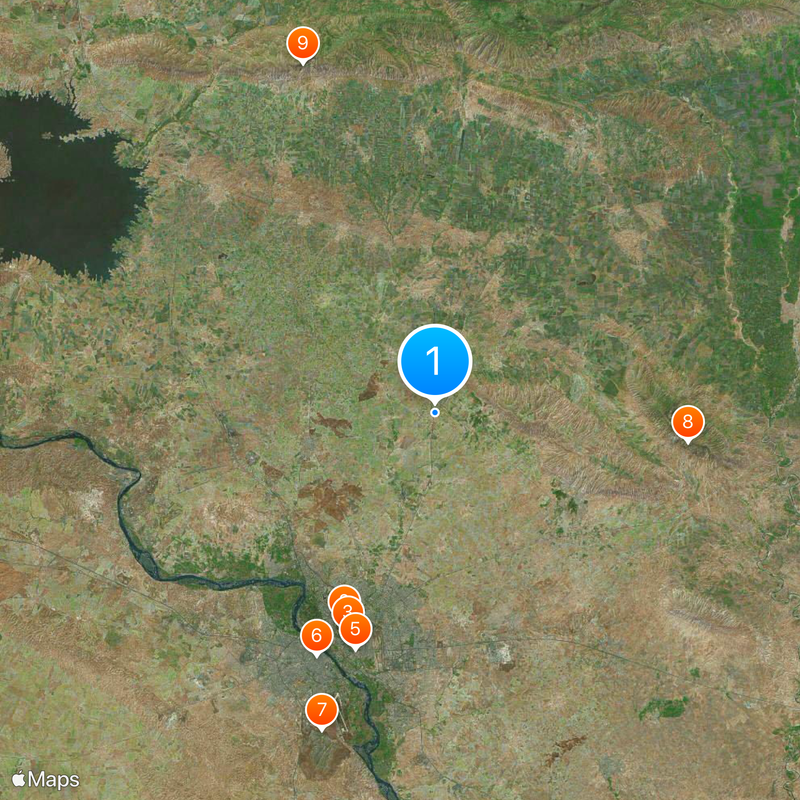
Dur-Sharrukin is an Assyrian settlement in the plain of northern Iraq, surrounded by outer walls made of mud brick. The layout extends across fields and low mounds, with foundations of residential quarters and a raised palace district on the northwest side.
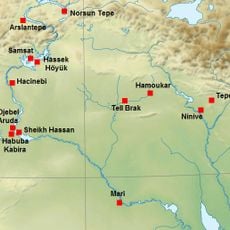
Sargon II began construction in 717 BCE as a new capital for his kingdom, moving the seat of government from Nimrud. After his death in battle, his successor Sanherib relocated the administration to Nineveh, leaving the site never fully inhabited.
The name means Fortress of Sargon in the ancient Akkadian language, reflecting the ruler who ordered its construction. Visitors today walk among ruins where priests once performed daily rituals in stone chambers aligned with the rising sun.
The site sits in a rural area with uneven paths, so sturdy footwear is advisable. Visitors should arrive early in the day to avoid midday heat in this open landscape.
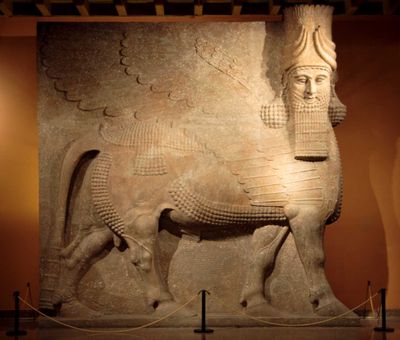
The entire complex was completed within just ten years, a remarkably short construction period for a royal capital of this size. Many of its stone sculptures were later transported to museums worldwide, while their original socket beds remain visible on site.
The community of curious travelers
AroundUs brings together thousands of curated places, local tips, and hidden gems, enriched daily by 90,791 contributors worldwide.