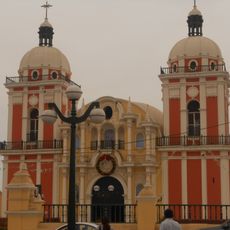
Chincha people, Pre-Inca civilization in Chincha Valley, Peru
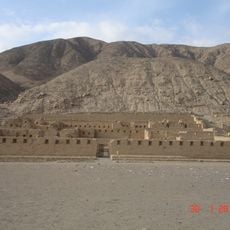
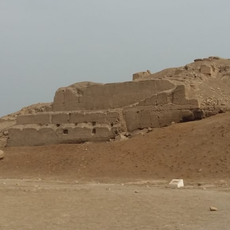
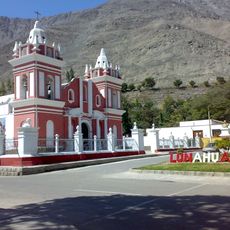
The Chincha were a pre-Inca civilization inhabiting fertile valleys about 220 kilometers south of Lima, with settlements extending from the Pacific coast to inland agricultural zones. Their main center was La Centinela, a large site containing two adobe pyramids that functioned as administrative and ceremonial centers within the vast complex.
The Chincha civilization emerged around 900 CE and maintained independence until 1480, when they were incorporated into the Inca Empire through peaceful diplomatic negotiations rather than military conquest. This transition allowed them to preserve much of their trading operations and social structures under Inca rule.
Chincha society organized itself into specialized groups of farmers, fishermen, and traders, each with distinct roles and social standing in the valley communities. This division of labor created a prosperous society where different occupations shaped where people lived and how they interacted daily.
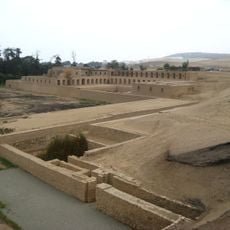
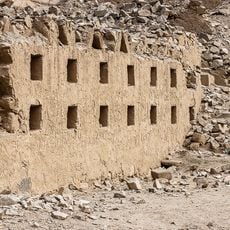
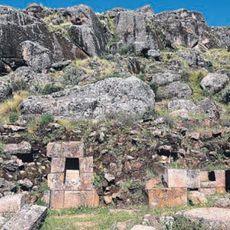
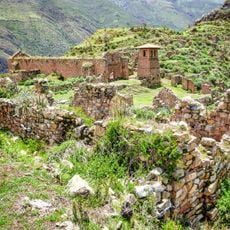
Visitors can explore La Centinela, the main archaeological site near Chincha Alta, which contains the two largest adobe structures from this period. The site is open to visitors and provides a clear sense of how the Chincha organized their ceremonial and administrative spaces.
The Chincha controlled trade of spondylus shells from Ecuador, which were considered sacred objects believed to bring rain to the arid coastal regions. These shells were so valued in rituals that they became a major source of wealth and political influence throughout the region.
The community of curious travelers
AroundUs brings together thousands of curated places, local tips, and hidden gems, enriched daily by 92,310 contributors worldwide.