Antigua and Barbuda, Caribbean nation between Atlantic Ocean and Caribbean Sea
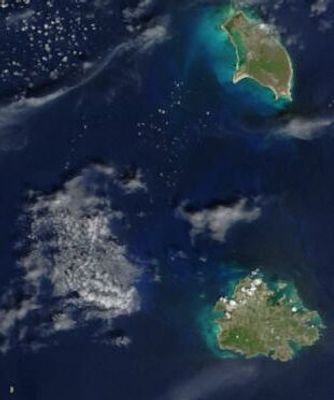
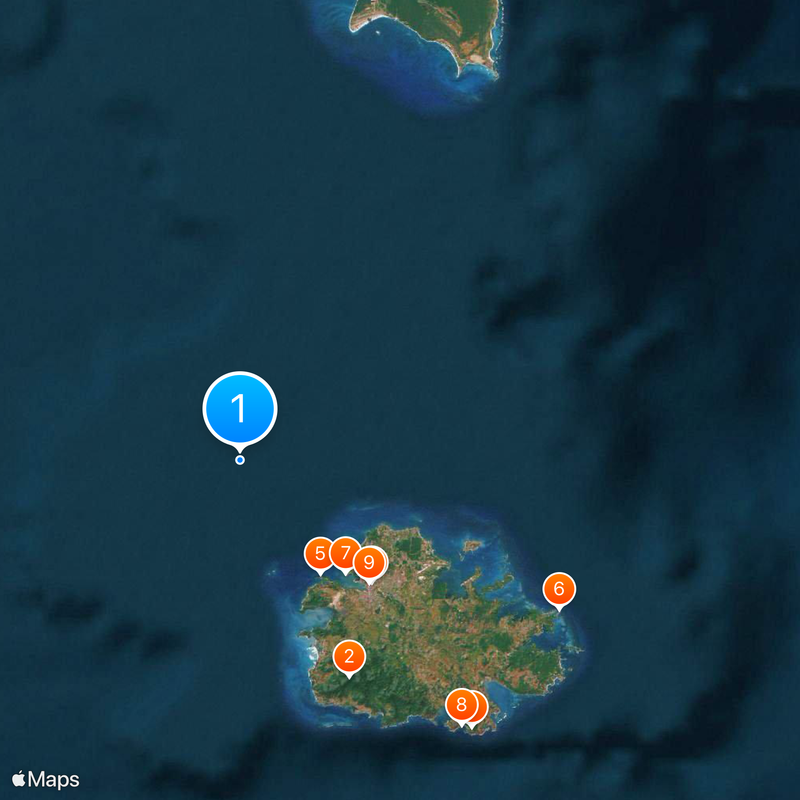
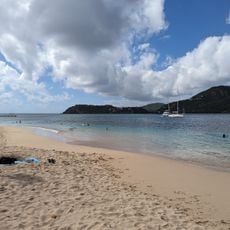
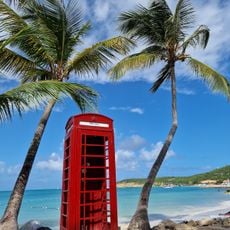
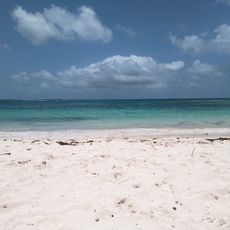
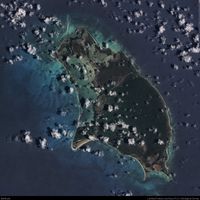
Antigua and Barbuda is an island nation in the eastern Caribbean Sea, comprising the two main islands plus the smaller uninhabited Redonda. The territory lies in the northern Lesser Antilles, with both main islands forming a Commonwealth monarchy that gained sovereignty in the early 1980s.
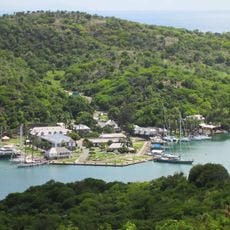
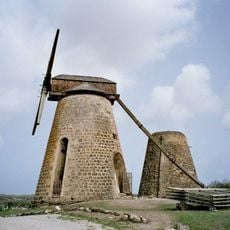
Indigenous peoples including the Arawak and later the Kalinago lived on the islands until European sailors arrived in the late 15th century. Britain took control in the 17th century and maintained it until independence in November 1981.
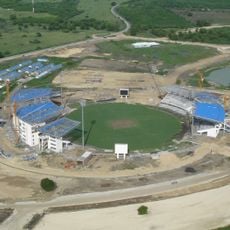
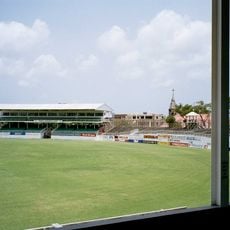
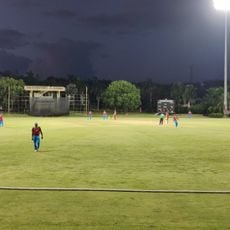
Cricket shapes social life across both islands and the national team regularly contributes players to the West Indies squad, with Sir Vivian Richards regarded as one of cricketing history's finest batsmen.
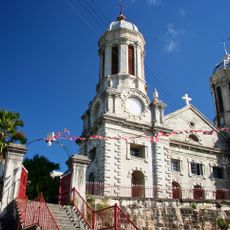
The international airport lies about five miles northeast of the capital St. John's and offers direct flights to North America and Europe. Ferries connecting the islands depart from Heritage Quay, and the driest months run from December through April.
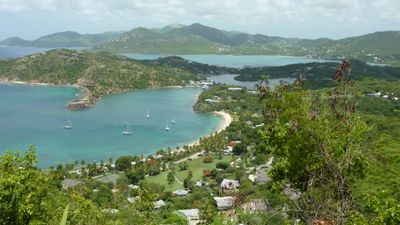
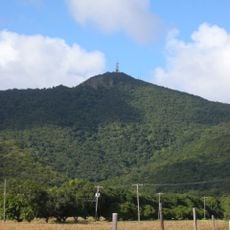
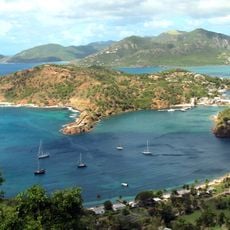
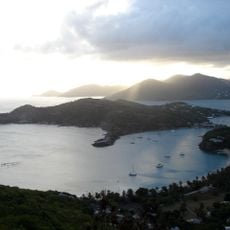
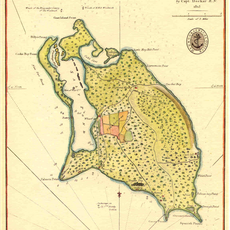
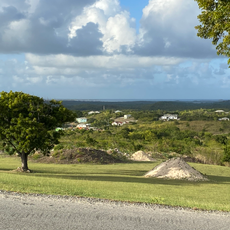
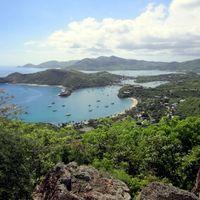
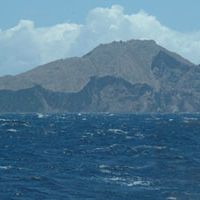
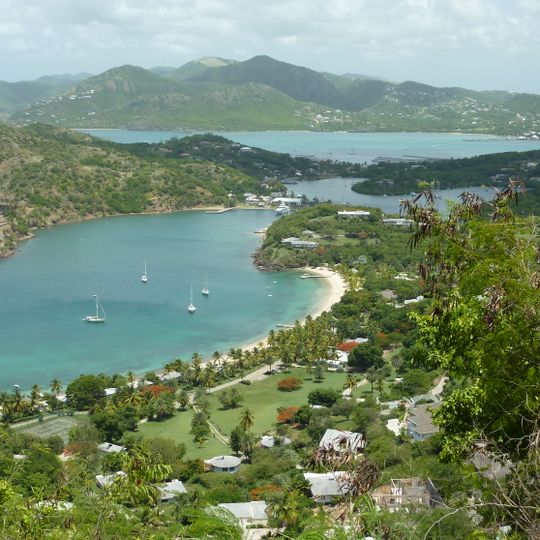
A volcanic peak on Antigua rises to 402 meters and forms the highest point across the entire territory, while Barbuda stays flat and never exceeds 38 meters above sea level. The contrast between the hilly landscape of one island and the level ground of the other defines the twin-island geography.
The community of curious travelers
AroundUs brings together thousands of curated places, local tips, and hidden gems, enriched daily by 90,798 contributors worldwide.