Antigua, Caribbean island in Saint Philip, Antigua and Barbuda
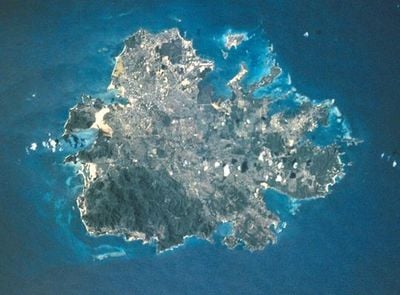
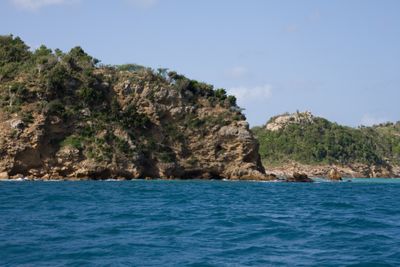
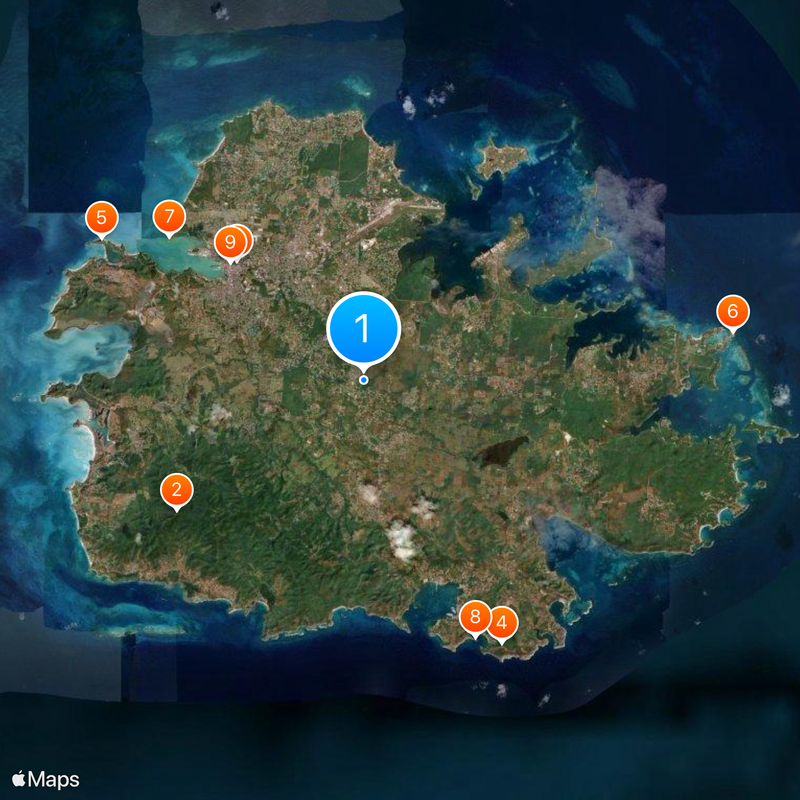
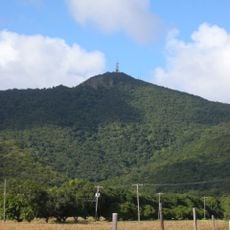
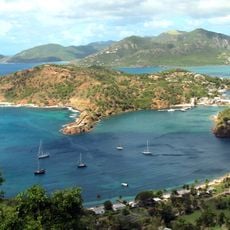
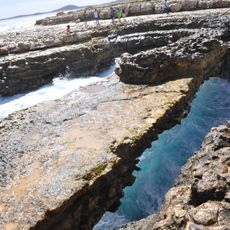
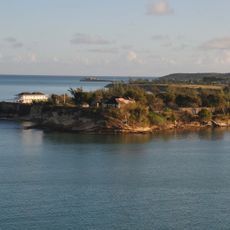
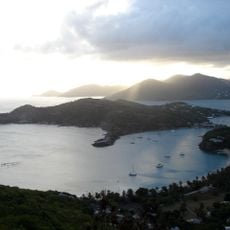
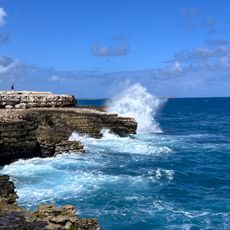
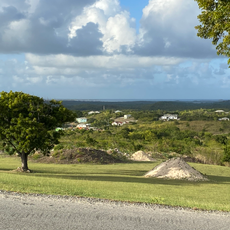
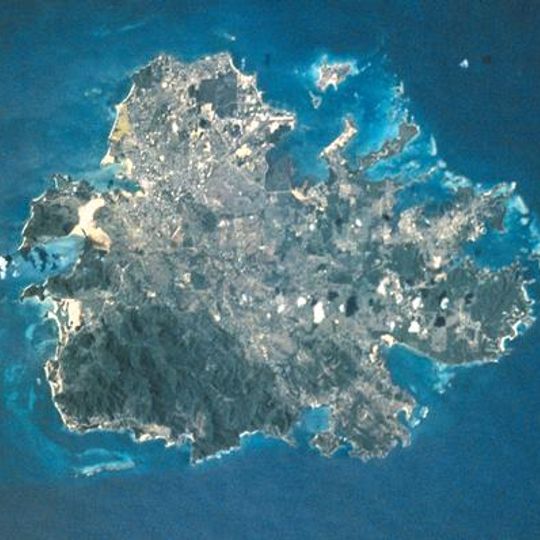
Antigua is an island in the eastern Caribbean, sitting between the Caribbean Sea and the Atlantic Ocean, with rolling volcanic hills and limestone coastlines. The shape is irregular, with many bays and peninsulas cutting deep into the interior, ranging from flat plains to gentle slopes that rise toward the center.
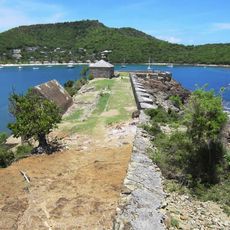
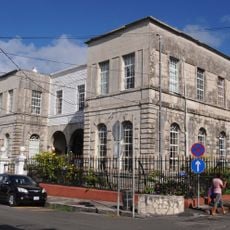
English colonizers arrived in the 17th century and established sugar plantations run by enslaved people brought from Africa, lasting until the 19th century. Following emancipation, a distinct society formed, and the island gained independence alongside Barbuda in 1981.
Locals gather at outdoor fish fries on weekends, where grilled seafood and homemade rum drinks are shared in coastal villages. You can hear calypso and soca music playing from open windows in small towns, while fishermen haul in their catch each morning and vendors sell fresh fruit along the roadside.
An international airport in the northeast receives flights from North America and Europe, connecting the island daily to several destinations. Driving along the coast reveals signed roads leading to hidden coves and small settlements, best reached by rental car or taxi.
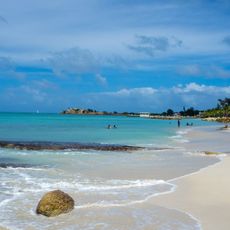
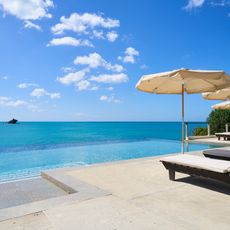
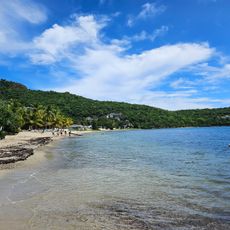
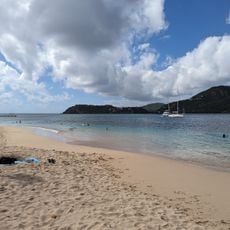
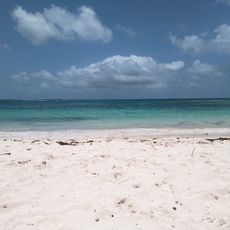
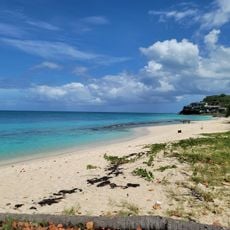
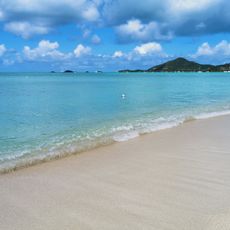
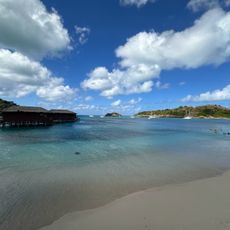
You could theoretically visit a different beach every day of the year, as the coastline is said to hold one for each date on the calendar. Some of these stretches lie hidden behind low hills or down unmarked dirt tracks, rarely visited by anyone else.
The community of curious travelers
AroundUs brings together thousands of curated places, local tips, and hidden gems, enriched daily by 92,530 contributors worldwide.