Aparan Reservoir, reservoir in Aragatsotn Province, Armenia
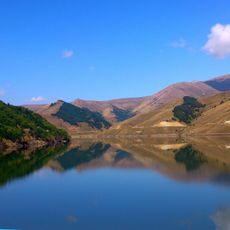
The Aparan Reservoir is a large body of water in Aragatsotn region held back by a soil dam standing 50 meters high and stretching 200 meters long. The stored water is used primarily for irrigation of nearby farmland during dry seasons and supports agricultural activities across the region.
The reservoir was built as critical infrastructure to capture water from the Kasakh River and support agricultural irrigation across the region. Following years of use, it underwent reconstruction with the addition of a new drainage channel to improve safety against potential flooding.
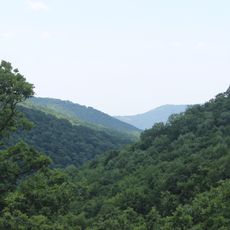
The reservoir serves as a vital part of daily life for local farming communities who depend on its water supply. Visitors and locals alike use the area for outdoor recreation and as a place to connect with Armenia's natural heritage.
The reservoir lies between the villages of Kuchak and Yeghipatrush, fed by the Kasakh River and five small tributaries; it freezes over in winter. Water is released for irrigation to the former Ashtarak and Ejmiatsin districts. Holiday areas have been built around the shore, and the main fish is the local koghak, alongside stocked Sevan trout, whitefish and carp.
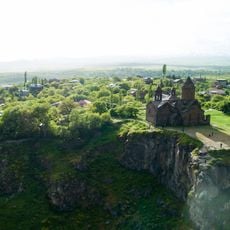
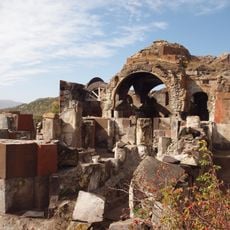
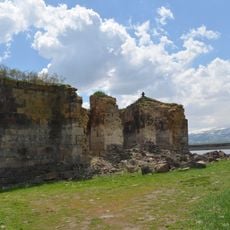
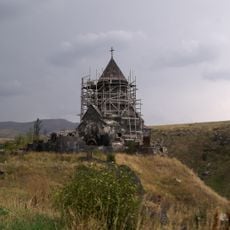
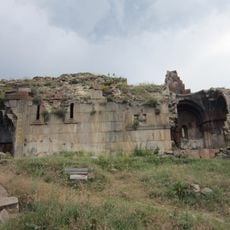
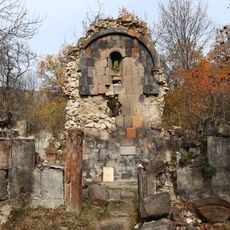
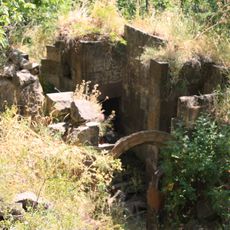
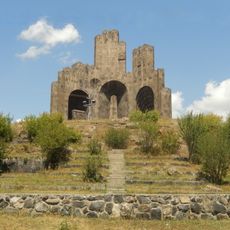
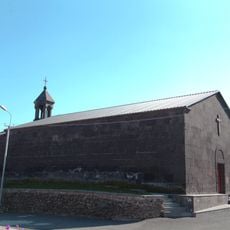
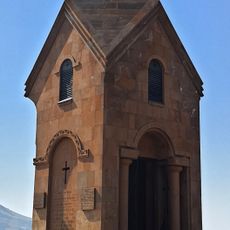
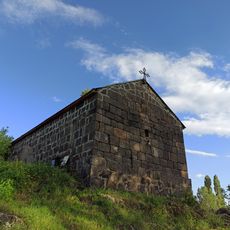
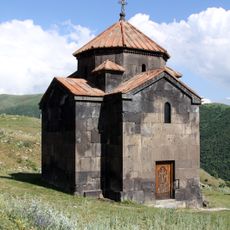
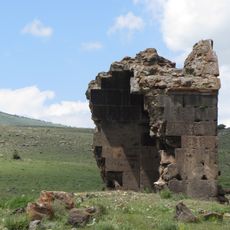
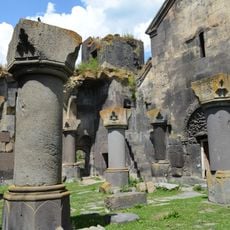
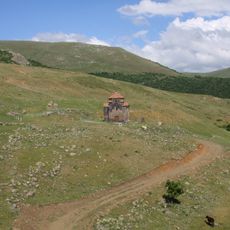
The reservoir flooded the villages of Kasakh, Zovuni and Ghushchi, whose residents were resettled around Yerevan. In 1967 the fifth-century churches of Surb Vardan and Tukh Manuk were moved above the water line, but the fourth-century Poghos-Petros basilica still stands in the flooded zone and stays under water three to four months a year.
The community of curious travelers
AroundUs brings together thousands of curated places, local tips, and hidden gems, enriched daily by 92,727 contributors worldwide.