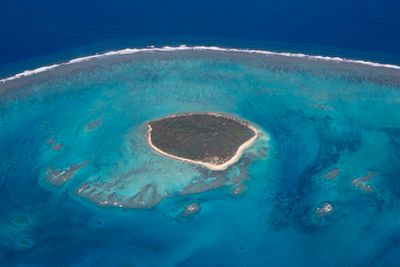
ʻAtā, Uninhabited island in southern Tongatapu, Tonga
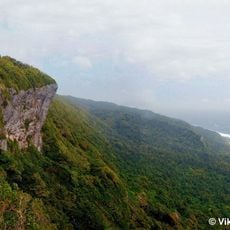
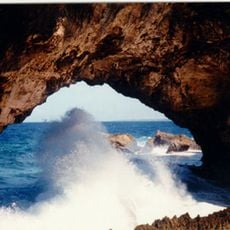
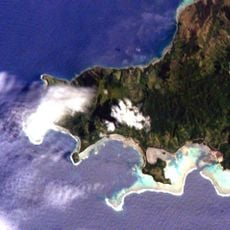
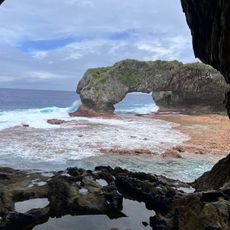
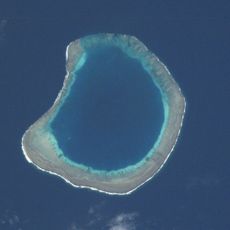
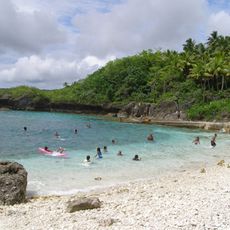
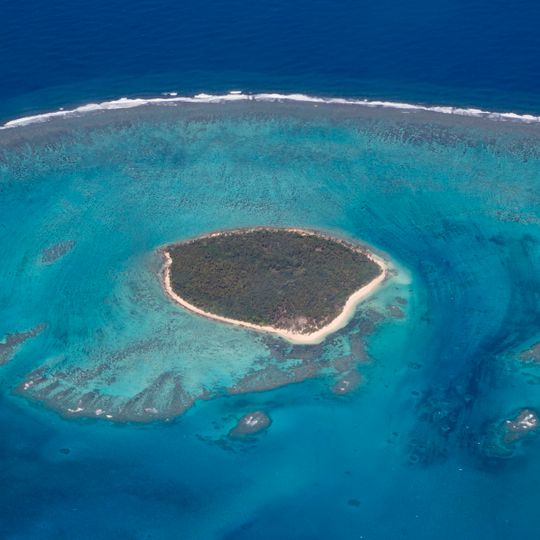
ʻAtā is an uninhabited island off the southern coast of Tongatapu that covers roughly 1.5 square kilometers. Steep rock cliffs rise to about 70 meters above the Pacific Ocean, while thick forests of fig trees cover much of the land.
The island was once settled as Kolomaile with roughly 350 residents until 1863, when a whaling captain tricked about 144 people into boarding his vessel. These residents were forcibly taken into slavery in Peru.
The island holds significance in local oral traditions and stories that continue to shape how people understand their region. These narratives connect the place to the broader identity of the islands around it.
The island lies far from other settlements and remains closed to regular visitors. The lack of infrastructure and its remote location make any attempt to reach it extremely difficult and unsafe.
In 1965, Tongan students became stranded on the island and survived for more than a year before rescue arrived. Their experience showed how the place's resources could sustain people, even under difficult conditions.
The community of curious travelers
AroundUs brings together thousands of curated places, local tips, and hidden gems, enriched daily by 92,631 contributors worldwide.