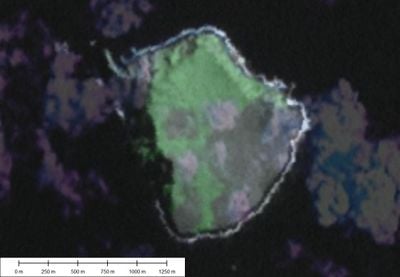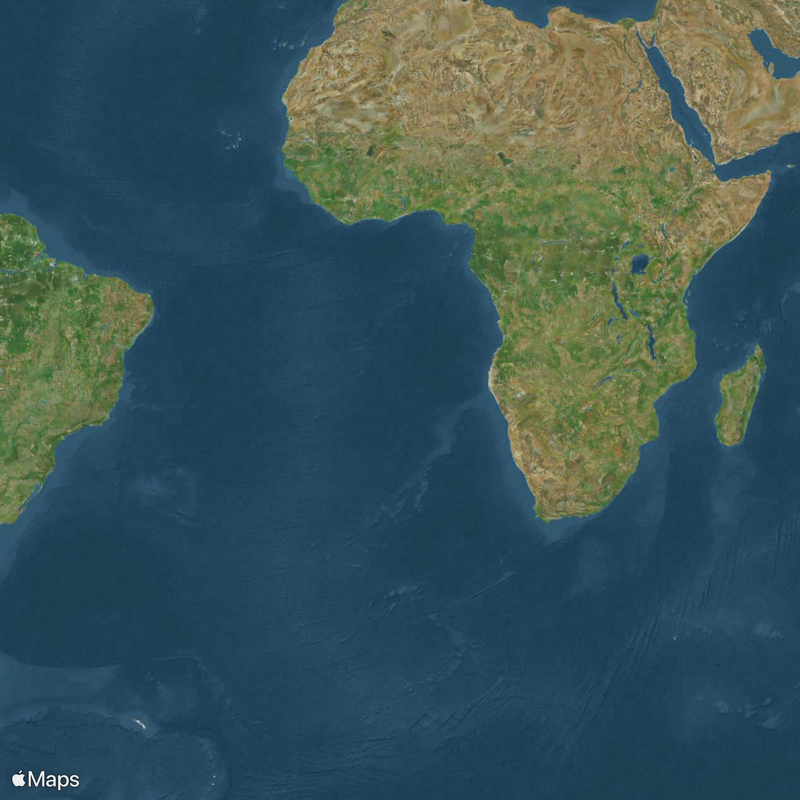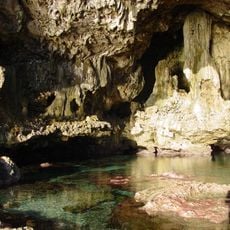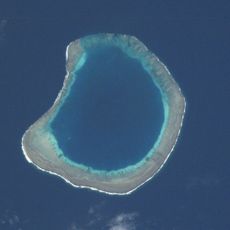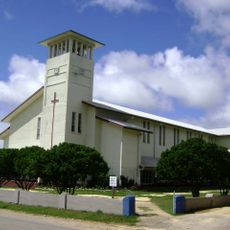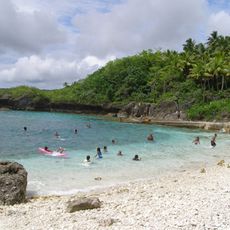
ʻAta, Volcanic island in Tonga, South Pacific Ocean.
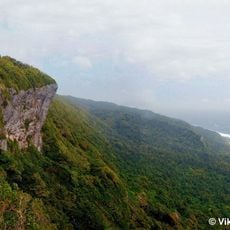
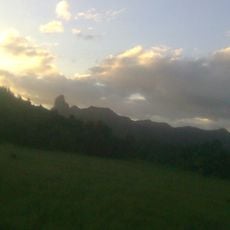
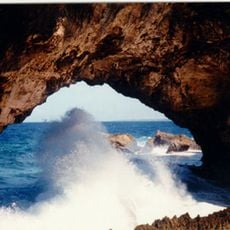
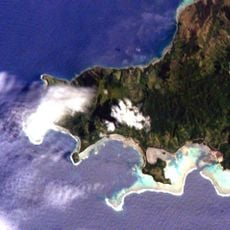
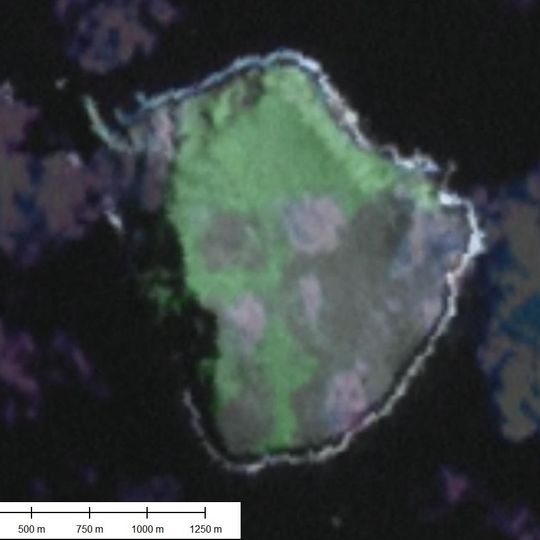
ʻAta is a volcanic island in the South Pacific with three prominent peaks rising to about 309 meters (1,014 feet). Its coastline features steep rocky cliffs that are surrounded by powerful ocean currents.
Dutch explorer Abel Tasman discovered the island in 1643 and named it Pylstaert because of the tropical birds he observed there. The island remained largely isolated for centuries afterward.
The ancient settlement of Kolomaile shows how traditional Tongan communities organized themselves into separate sections. You can still see traces of these distinct areas when walking through the island today.
The island has no fresh water sources, which makes long stays challenging. Reaching it requires careful navigation because of the rocky shores and powerful currents that surround it.
Six teenage boys survived here for about 15 months in 1965-1966 and built a working micro-society through cooperation. Their story demonstrates how people can endure and organize themselves under extreme conditions.
The community of curious travelers
AroundUs brings together thousands of curated places, local tips, and hidden gems, enriched daily by 92,784 contributors worldwide.