Cape Horn Biosphere Reserve, Biosphere reserve at the southern tip of Chile.
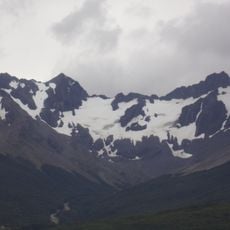
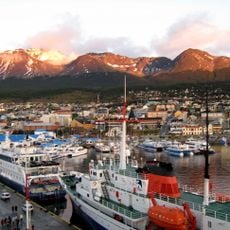
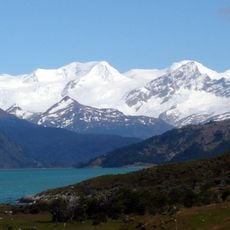
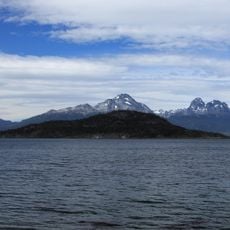
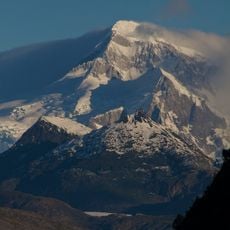
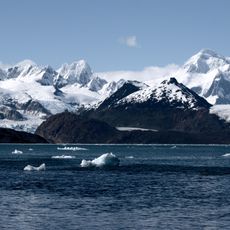
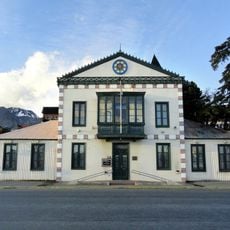
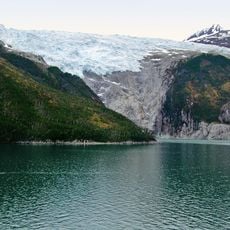
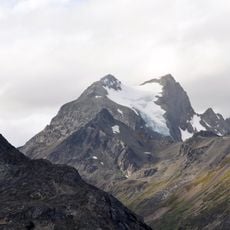
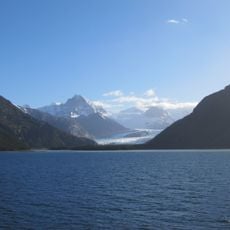
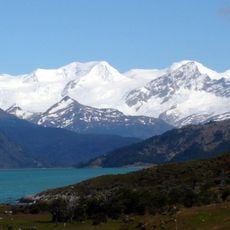
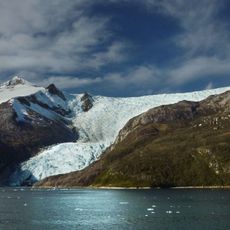
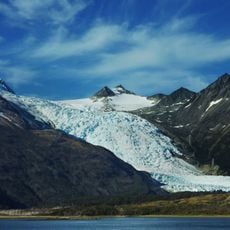
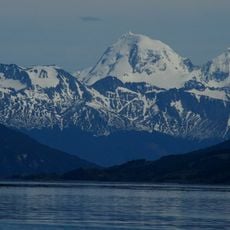
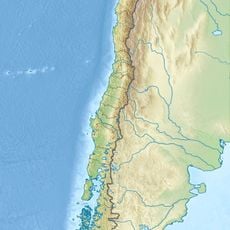
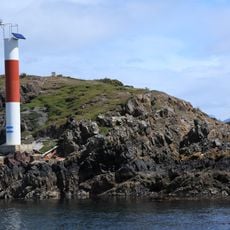
Cape Horn Biosphere Reserve covers about 49,000 km2 at Chile's southern tip, spanning the Antártica Chilena Province and part of Tierra del Fuego. It takes in the Navarino, Hoste, Hornos and Wollaston archipelagos, stretches of the Beagle Channel, and the subantarctic fjord complex. Its core zone is formed by Cabo de Hornos, Yendegaia and Alberto de Agostini national parks, with Puerto Williams in the transition zone.
The reserve was designated by UNESCO in 2005 and recognised in Chilean law through the SBAP from 2025. It was the first biosphere reserve in Chile to explicitly include human populations, and the largest in the country, with 5,263,810 hectares listed by UNESCO. Its management committee, ratified by the regional government in 2025, is chaired by the presidential delegate of the Chilean Antarctic Province.
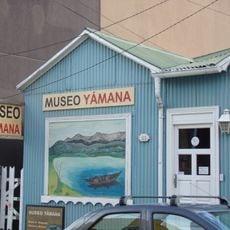
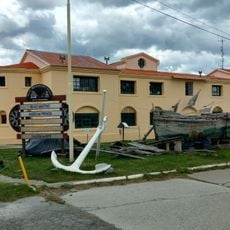
The place carries names rooted in maritime history and the Yamana peoples who thrived here for millennia. Visitors can observe how the landscape and sea shaped the way people lived and moved through this harsh environment.
The core zone, made up of Cabo de Hornos, Yendegaia and Alberto de Agostini national parks, is strictly protected and cannot have lodging infrastructure. Overnight stays and services are concentrated in the transition zone, notably Puerto Williams and Puerto Toro on Navarino Island. Check conditions and restrictions with local authorities before setting out, and use operators that follow the reserve's environmental rules.
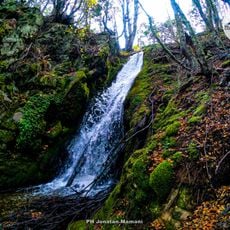
The area holds the world's southernmost forests and contains a remarkable diversity of mosses and liverworts found nowhere else in such concentration. These tiny plants thrive in the wet, windy environment and form an essential part of local ecosystems.
The community of curious travelers
AroundUs brings together thousands of curated places, local tips, and hidden gems, enriched daily by 93,833 contributors worldwide.