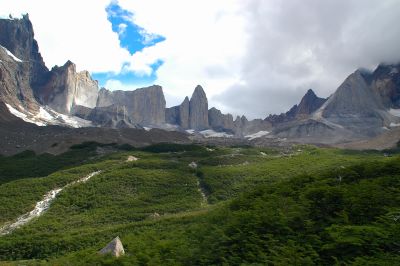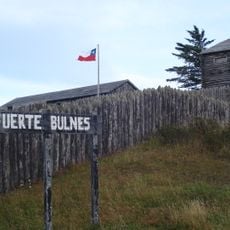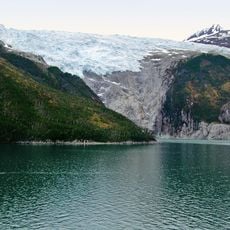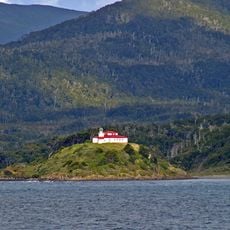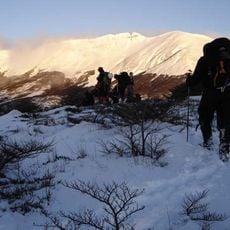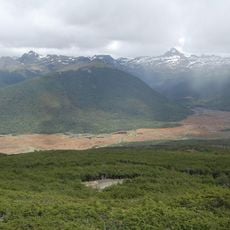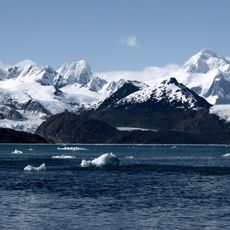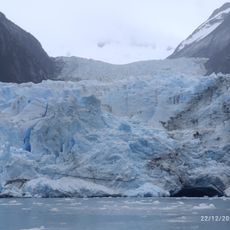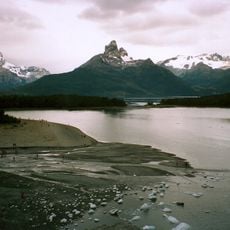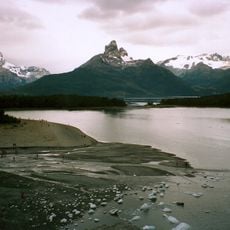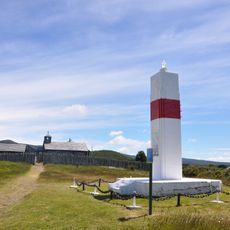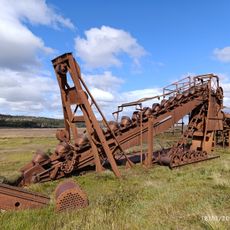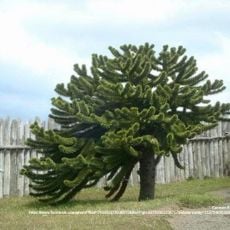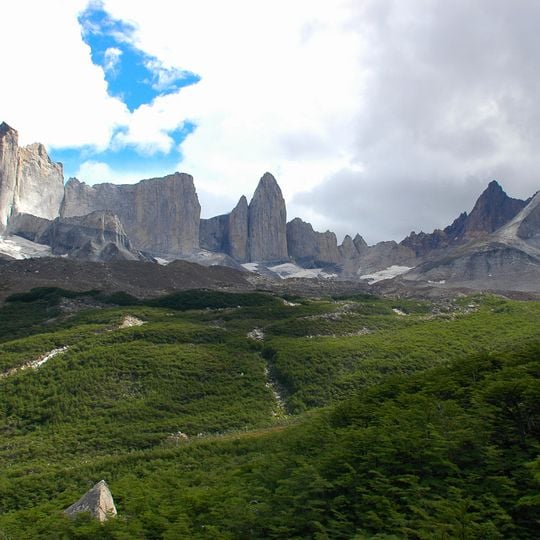
Magellanic subpolar forests, Temperate broadleaf forest ecoregion in southern Chile.
The Magellanic subpolar forests spread across southern Chile with deep fjords cutting into the land, scattered islands, and waterways creating a fragmented landscape. The terrain supports different forest types adapted to harsh coastal and mountainous conditions.
After the last ice age ended approximately 10,000 years ago, glaciers retreated and these forests began regenerating as temperatures rose. The forests have continued adapting to the changing climate conditions of the far south ever since.
These forests represent the wild character of far southern landscapes and shape how locals and travelers perceive this remote corner. The ecoregion draws visitors seeking to experience untamed nature and witness the rugged beauty of an isolated region.
The region is sparsely populated and difficult to access; visitors typically explore through guided tours or multi-day trekking expeditions. Travel here works best between November and March when weather patterns are most stable.
Three forest communities grow side by side here: Magellanic moorland, evergreen rainforest, and deciduous Nothofagus woodland, each occupying different niches. This variety makes the region a natural laboratory for understanding how trees survive in extreme southern conditions.
The community of curious travelers
AroundUs brings together thousands of curated places, local tips, and hidden gems, enriched daily by 60,000 contributors worldwide.