Regional Museum of Ancud, Natural history museum in Ancud, Chile
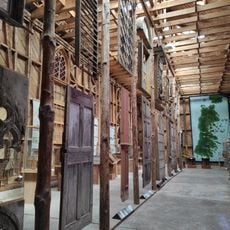
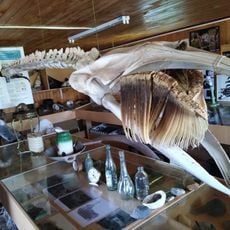
The Regional Museum of Ancud is a natural history museum on the Chiloé Archipelago that holds more than 2,000 objects from different time periods. The collections include archaeological finds, handcrafted items, and preserved animal specimens displayed across multiple exhibition halls.
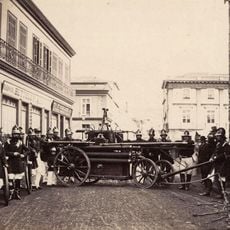
The museum opened in 1976 in a building constructed in 1960, under the Servicio Nacional del Patrimonio Cultural. Its permanent display covers more than six thousand years of island history, from the Puente Quilo hunter-gatherer settlement through Spanish colonisation, Dutch corsairs in the 1600s and 1643, Jesuit influence, late 19th-century European settlement, the Ancud-Castro railway and the 1960 earthquake. Since 2009 it has organised the Chiloé: historia del contacto conference.
The museum displays everyday objects from the island's past inhabitants, including fishing tools and handmade baskets woven from local plant fibers. These items tell the story of skills and traditions that people in the archipelago developed and passed down through generations.
The museum is located near the central plaza and is easy to reach on foot. The spaces are well organized with multiple exhibition areas, making it comfortable to explore the collection at your own pace.
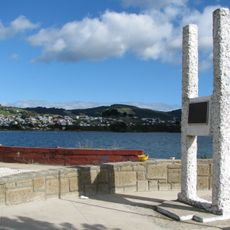
In one of the museum's two open courtyards stands a full-size replica of the Ancud schooner, the vessel that carried Chilean settlers to claim the Strait of Magellan in 1843. The same courtyard holds wooden objects illustrating the island's traditional trades. Artisan crafts are sold in both courtyards.
The community of curious travelers
AroundUs brings together thousands of curated places, local tips, and hidden gems, enriched daily by 94,029 contributors worldwide.