Fuerte de San Carlos, Ancud, Spanish colonial fort in Ancud, Chile
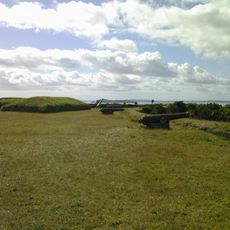
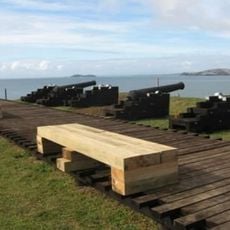
Fuerte de San Carlos is a colonial fortification on the Punta de Tecque esplanade northwest of Ancud, built around 1767 or 1768 to a design by Carlos de Beranguer. Its square plan had a salient point on the seaward curtain, four equal bastions, ramps, a moat, escarp and counterscarp, covered ways and glacis. The powder magazine is of brick and stone, though scarcity of materials meant the rest was built with turf secured by wooden pegs.
The fort was built around 1767 or 1768, projected by Carlos de Beranguer after a royal order, as part of the defensive system of the bay of Ancud during the colonial Government of Chiloé, dependent on the Viceroyalty of Peru. It belonged to the "Subsistema San Carlos de Ancud", together with the Punta Teque batteries, Fuerte San Antonio, and the Campo Santo, Muelle and Puquillihue batteries. Its mission was to defend San Carlos de Chiloé, today Ancud, from foreign colonial powers, pirates and corsairs, and to secure trade routes to and from Spain. The installation allowed the formation of the homonymous villa that later became Ancud.
The fort served as the founding point of Ancud and remains central to how the city understands its colonial roots. Visitors can see how the Spanish established the settlement strategically and what role this location holds in local identity.
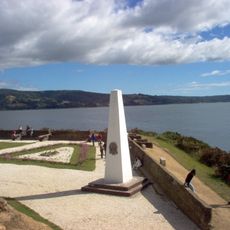
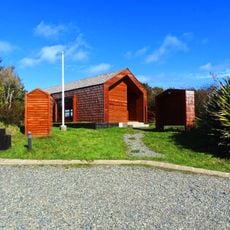
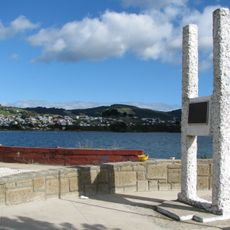
The fort sits on the Punta de Tecque peninsula in northwest Ancud and is viewable from the street with good vantage points over the bay. Wear sturdy shoes, as paths cross the grounds and some areas are uneven.
Beneath the vegetation lie archaeological remains such as walls, bastions, and a moat that match historical records. These hidden structures reveal the full extent of the original fortification and how much larger it once was.
The community of curious travelers
AroundUs brings together thousands of curated places, local tips, and hidden gems, enriched daily by 94,380 contributors worldwide.