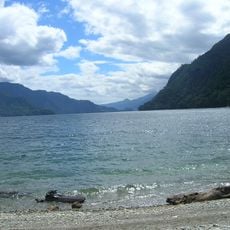
Yate, Stratovolcano in Los Lagos Region, Chile
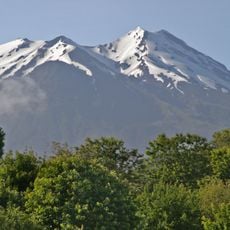
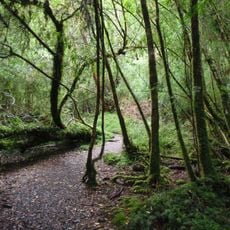
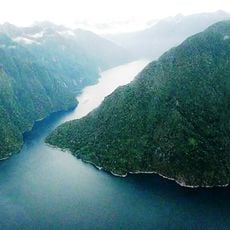
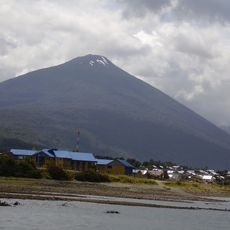
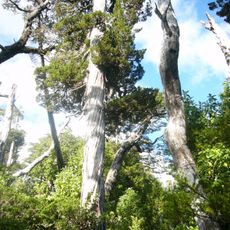
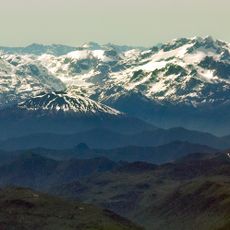
Yate is a large glaciated stratovolcano in the southern Andes, reaching about 2,187 metres and lying partly under glacier ice. It stands on the Liquiñe-Ofqui Fault Zone, roughly 10 km north-east of the smaller Hornopirén volcano and south of the Reloncaví Estuary. Its slopes are covered by dense vegetation that makes the approach intricate.
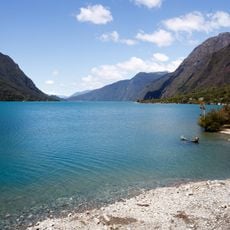
Radiocarbon dating places Yate's last eruption around 1090 CE, so it is dormant rather than extinct. On 19 February 1965, heavy summer rain sent an ice-and-rock landslide about 1,500 metres down a narrow gully into Lake Cabrera; the resulting tsunami destroyed the lakeside village of Lago Cabrera and killed 27 people, Chile's deadliest volcano-related loss of life since Villarrica's eruptions of 1948–1949.
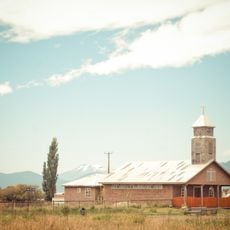
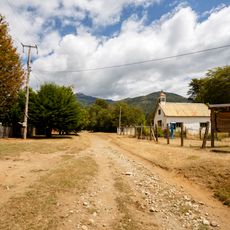
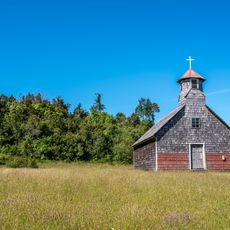
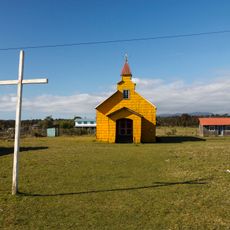
The volcano is named after Juan Yates, also called John Yates, a settler of Puerto Americano who took part in the exploration and colonisation of Patagonia. Each year the people of nearby Hornopirén make a pilgrimage to the Lake Cabrera site and its memorial chapel, commemorating the 27 people killed by the 1965 tsunami.
The location is remote and can only be reached with guides and proper equipment, requiring permits beforehand. Visitors should prepare for changing weather and challenging terrain, especially during the dry season when access is more feasible.
The volcano sits along the Liquiñe-Ofqui Fault Zone, a seismically active area that still produces small earthquakes today. This proximity to a major tectonic boundary makes it a valuable research site for geoscientists studying mountain-building processes.
The community of curious travelers
AroundUs brings together thousands of curated places, local tips, and hidden gems, enriched daily by 93,609 contributors worldwide.