Volcán Huequi, Stratovolcano in Palena Province, Chile
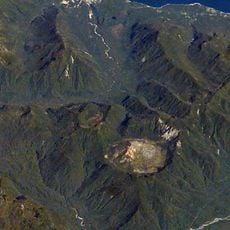
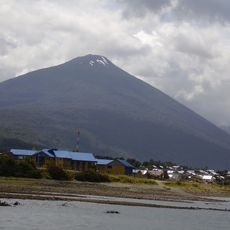
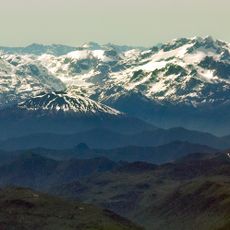
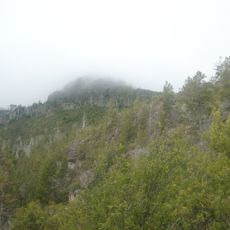
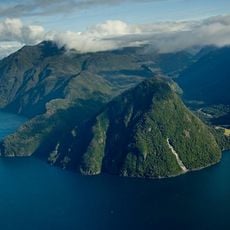
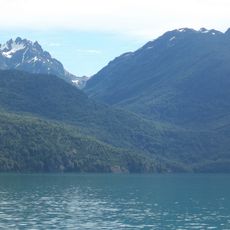
Volcán Huequi is a heavily eroded lava-dome complex in the Los Lagos Region of Chile, centred on the Ayacara Peninsula by the Gulf of Ancud. Its summit reaches 1,318 metres, only about 400 metres above the surrounding curved depression. The edifice includes the postglacial Calle dome, the Pleistocene Porcelana volcano with Holocene parasitic cones, and a partially collapsed summit dome.
Huequi's recorded activity includes an 1890 eruption whose ash and pumice fell from the Chauques islands to Argentina, with further reports in 1893, 1896 and 1900. Tephra layers in Lago Futalaufquen have been linked to an eruption of AD 1645–1745, and the summit dome may have formed during the 1890–1920 sequence. The volcano was reported smoking in 1935.
The volcano's name also appears as Hueque, Relibuentu and Huequen in local records. Its 1890 ash fall reached from the Chauques islands to Argentina, and activity was watched from Chiloé and Puerto Montt. The Porcelana geyser and hot spring on the Ayacara Peninsula are linked to Huequi, and the geysers have built travertine pinnacles up to 2.5 m tall.
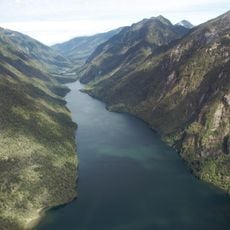
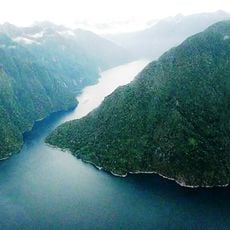
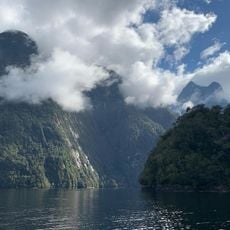
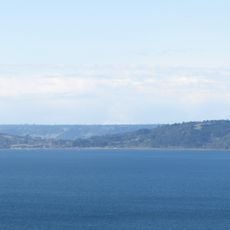
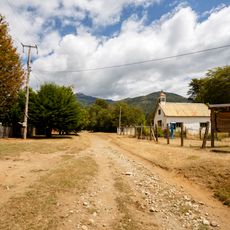
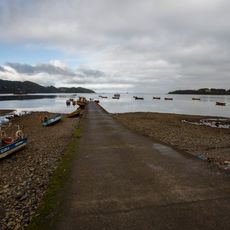
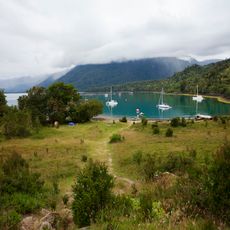
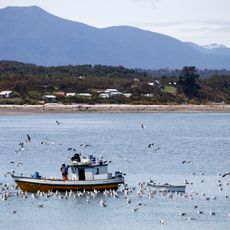
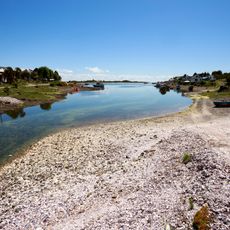
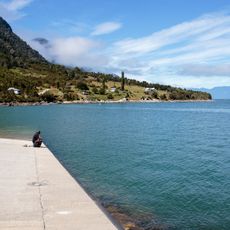
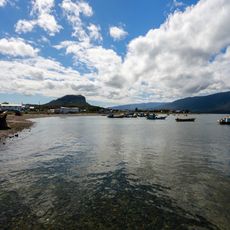
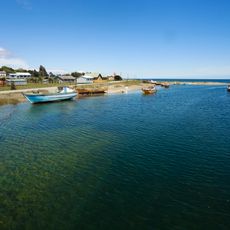
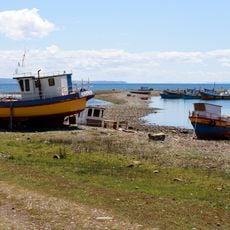
Huequi sits in a remote part of southern Chile with no road access; the few villages lie along the coast, so the approach is by sea from the Gulf of Ancud, near Huequi, Huinay and Caleta Gonzalo. The volcano rises only about 400 m from a curved depression to its 1,318 m summit, and its slopes are cut by sector collapses and debris-avalanche fans, partly channelled by a northwest-trending valley.
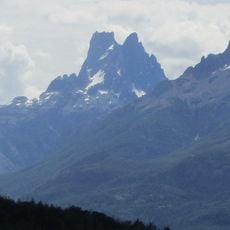
The volcano displays a distinctive gray needle-shaped peak that leans toward the north, setting it apart from other volcanic formations in the region. This unusual silhouette was documented in early geographical records and makes it recognizable from a distance.
The community of curious travelers
AroundUs brings together thousands of curated places, local tips, and hidden gems, enriched daily by 94,044 contributors worldwide.