Linlín, Island in Chiloé Archipelago, Chile
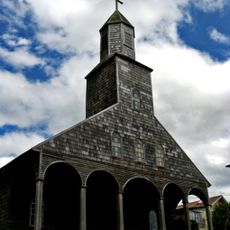
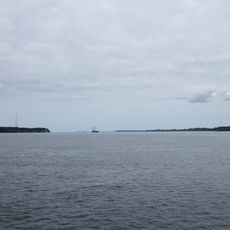
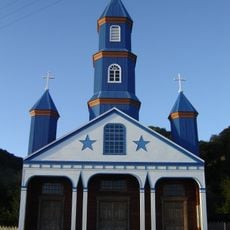
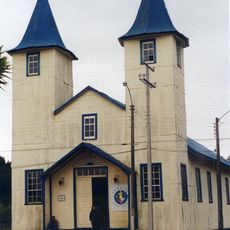
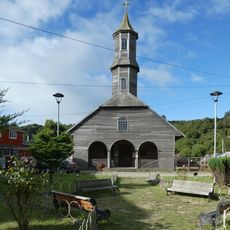
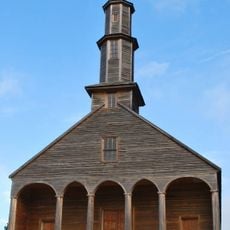
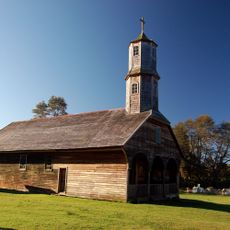
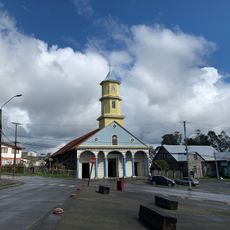
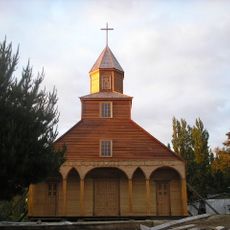
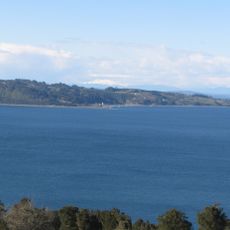
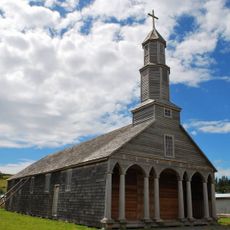
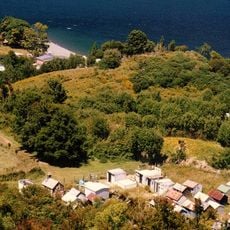
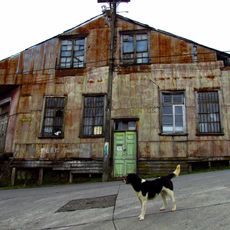
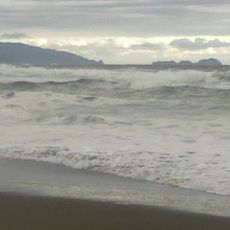
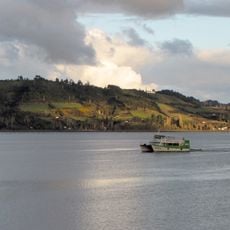
Linlín is a rounded island of about 10 km² in the Chiloé Archipelago, part of Quinchao commune. Two pronounced hills are visible from the sea, and the island is divided into the sectors of Los Pinos and Curaco de Linlín, each with a Catholic church built in the traditional Chiloé style. Neighboring islands include Llingua to the south and Meulín to the east.
The sources do not record a founding date or colonial events specific to Linlín; the island's documented past is one of subsistence use of its two hills and coastline. Its name is unexplained, though Jorge Ibar Bruce derived it from a reduplicated Chono word *lin, "hill", matching the two cerros, while Pedro Armengol Valenzuela (1918), Francisco Cavada (1914) and Ernesto de Moesbach (1944) read it as reduplicated Mapuche lin, the grass called paja ratonera. In January 2012 the Quinchao municipality bought fuel tanks for generators giving Linlín and Teuquelín twelve hours of electricity a day.
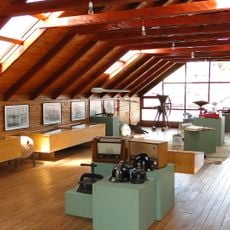
The island's name may come from the Chono word *lin, "hill", doubled because of its two hills; others link it to the Mapuche word for a grass, "paja ratonera". Weaving blankets on a traditional loom is still practised, alongside artisanal fishing and the gathering of pelillo seaweed.
Reaching Linlín requires boat travel from neighboring islands or mainland Chile. Services are available but can vary based on weather and local schedules.
The name Linlín is probably a reduplication of a Chono word *lin, "hill", referring to the island's two hills; others link it to the Mapuche word for "paja ratonera" grass. The origin of the toponym remains unknown.
The community of curious travelers
AroundUs brings together thousands of curated places, local tips, and hidden gems, enriched daily by 93,666 contributors worldwide.