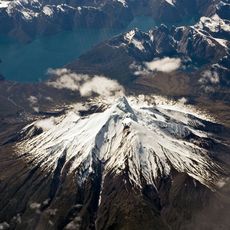
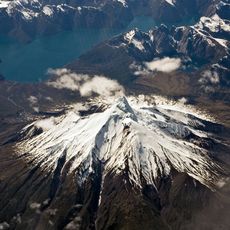
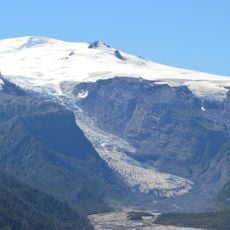
Pumalín Park, Natural reserve in Chaitén, Chile
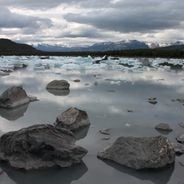
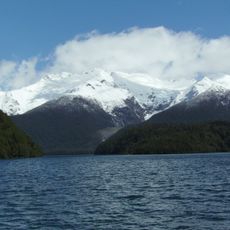
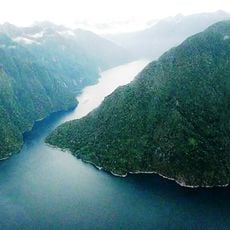
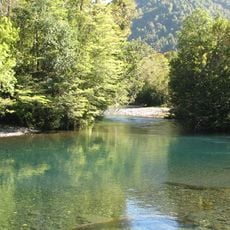
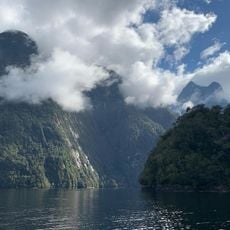
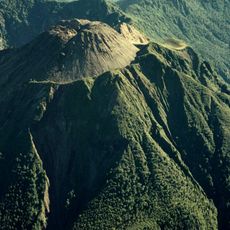
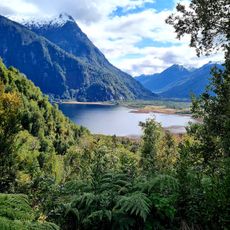
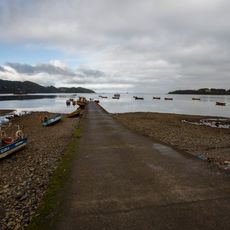
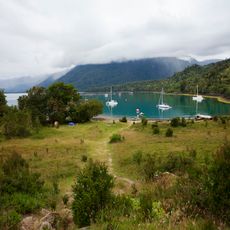
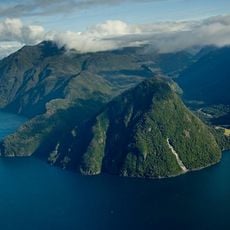
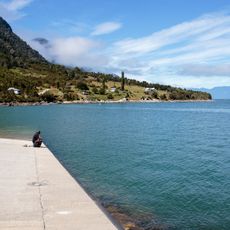
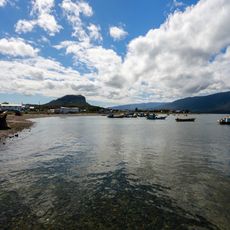
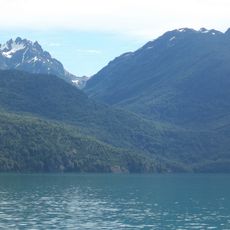
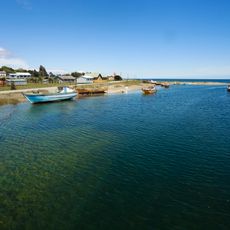
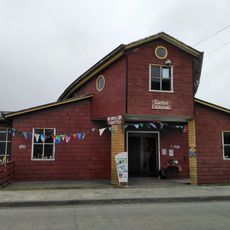
Pumalín Douglas Tompkins National Park covers 402,392 hectares in Palena Province, from the Argentine border to the Pacific. It protects Valdivian temperate rainforest, fjords such as Reñihué, and the Reñihué River Valley. Caleta Gonzalo, on the Reñihué Fjord, holds the main visitor infrastructure: restaurant, visitor center, cabins and campground.
Douglas Tompkins, an environmentalist and businessman, began purchasing land in the Reñihue River Valley from 1991 to protect the Valdivian temperate rainforest from industrial development. His conservation efforts formed the foundation of this protected area and led to its expansion over time.
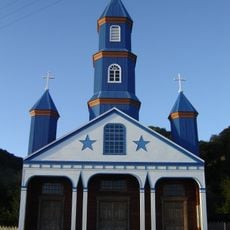
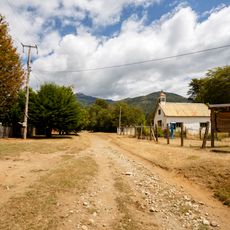
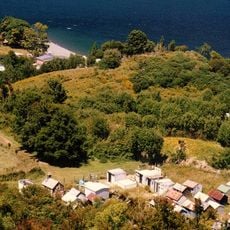
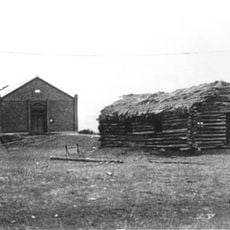
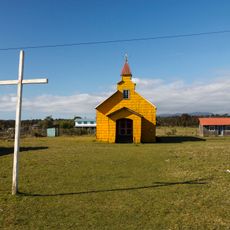
The park's name comes from the Huilliche language, in which 'Pu' means place and 'malín' refers to marshland or flooded terrain. The gateway town of El Amarillo, at the southern entrance, was the target of a 2007 beautification campaign launched by Doug and Kris Tompkins, who renovated four farms, two churches, a community center, two supermarkets and over two dozen houses in the historic local style.
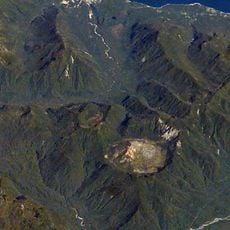
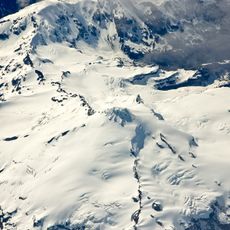
The main visitor infrastructure sits at Caleta Gonzalo on the Reñihué Fjord, with a restaurant, visitor centre, cabins and a campground; ferries link it to Hornopirén in summer. Access is by car or boat, and the park reopened in December 2010 after the Chaitén volcano eruption closed it. Small organic farms beside the reserve double as ranger stations and information points.
The park protects roughly one quarter of Chile's remaining ancient alerce trees, which number among the longest-living tree species on Earth. These ancient trees can survive several thousand years and are increasingly rare, found now only in a few protected regions.
The community of curious travelers
AroundUs brings together thousands of curated places, local tips, and hidden gems, enriched daily by 94,121 contributors worldwide.