Curanilahue, Chilean city and commune
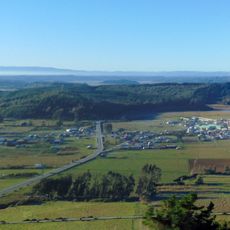
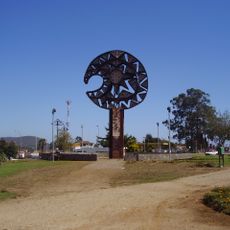
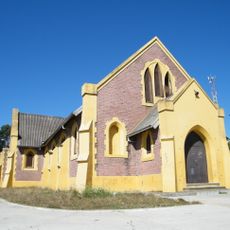
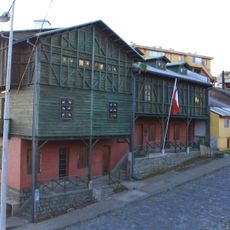
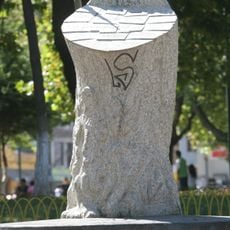
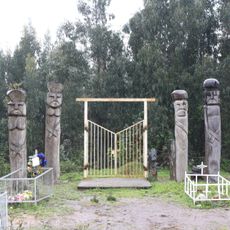
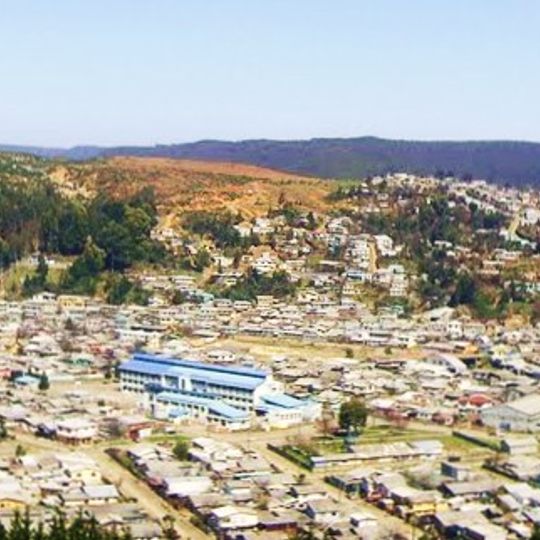
Curanilahue is a city located in Arauco Province within the Biobío region of southern Chile, situated about 35 kilometers south of Arauco. This commune of around 32,000 residents features uneven terrain with homes scattered across hillsides, an irregularly shaped Plaza de Armas with more than ten edges, and distinctive entrance sculptures including a large wooden hand sculpture to the north and two Chemamûll statues honoring the Mapuche heritage.
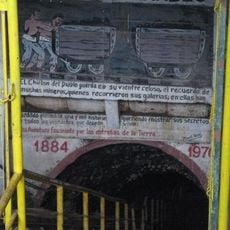
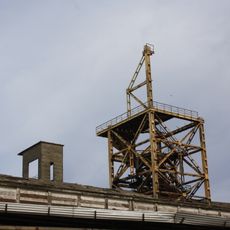
The city developed from a mining camp due to abundant coal deposits in the region and became an established town in the 1920s when the first families settled there. Coal mining played a key role in its early development before the economy later diversified through forestry and related industries.
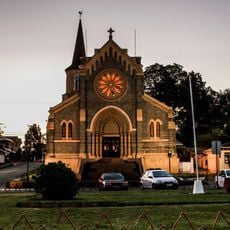
Curanilahue takes its name from the Mapudungun language, where "Cura" means stone and "Nilahue" means ford. The city displays a blend of Mapuche traditions, Spanish colonial heritage, and German influences, visible in artworks at the entrances such as Chemamûll statues and religious symbols that reflect local beliefs and identity.
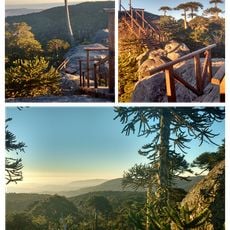
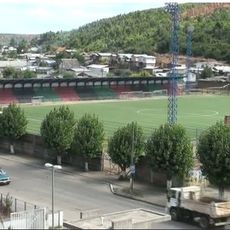
The city is hilly and requires frequent uphill and downhill walking, so comfortable footwear is recommended. The non-grid street layout follows the natural slopes of the land, so visitors should expect an unconventional orientation pattern that differs from typical urban layouts.
The city developed a local youth orchestra that performs classical music throughout the country, demonstrating a strong musical tradition among its population. This cultural activity sets Curanilahue apart from other small towns and illustrates the community's artistic dedication.
The community of curious travelers
AroundUs brings together thousands of curated places, local tips, and hidden gems, enriched daily by 60,000 contributors worldwide.