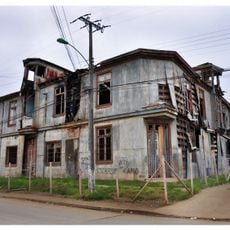
Fort Tucapel, Colonial fort in Cañete, Chile
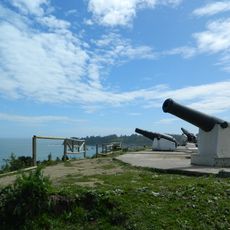
Fort Tucapel is a ruined fortification in Cañete, Chile, consisting of a palisade and ditch from 1553, later rebuilt in stone in 1557. It served as a refuge for the first settlers of Cañete de la Frontera in 1558. The site now functions as an open-air museum with a small exhibition of Spanish colonial and Mapuche objects.
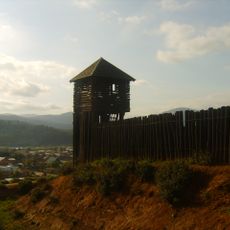
Pedro de Valdivia founded Tucapel in the spring of 1553 as a palisade ringed by a ditch, held by Captain Martín de Ariza with six men. Mapuche forces destroyed it in early December 1553; Valdivia died nearby at the Battle of Tucapel on 25 December. García Hurtado de Mendoza rebuilt it in stone in three days from 6 December 1557, and in 1642 it was dismantled under the Paces de Quillín.
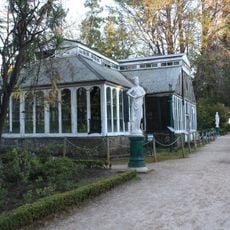
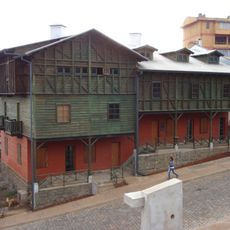
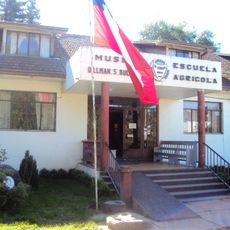
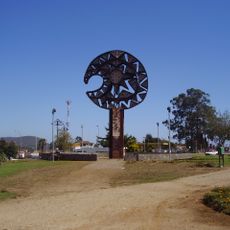
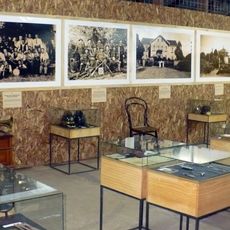
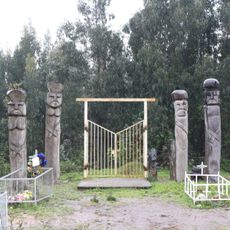
The site is now an open-air museum with a small display of Spanish colonial objects and Mapuche items from the same period. It is also the end point of the Vía Ceremonial La Araucana, a route from the north entrance of Cañete lined with fragments of Alonso de Ercilla's poem La Araucana.
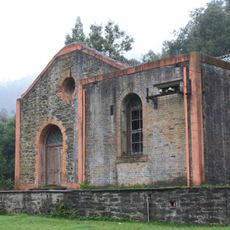
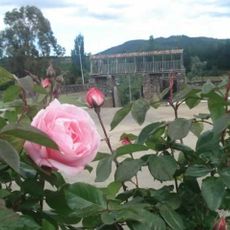
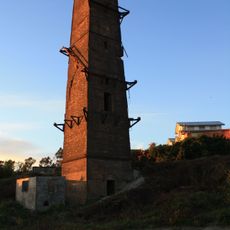
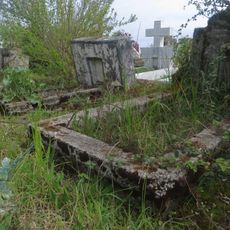
The site features restored sections showing stone structures and archaeological remains that visitors can walk through. Wearing sturdy footwear and allowing time for a full exploration is recommended.
The 1553 fort was a palisade ringed by a ditch, held by Captain Martín de Ariza with only six men. In 1647 Juan Diez de la Calle recorded the Tercio de Tucapel quartering three cavalry and five infantry companies, 540 men, under a maestre de campo. The site is now an open-air museum with Spanish colonial and Mapuche objects.
The community of curious travelers
AroundUs brings together thousands of curated places, local tips, and hidden gems, enriched daily by 93,594 contributors worldwide.