Agua Buena, Rural village in San Carlos, Chile.
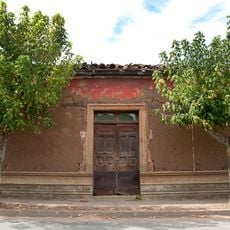
Agua Buena is a rural settlement in San Carlos, central Chile, situated at the foot of gentle rolling terrain with a creek running through it. The land spreads across fertile fields where farmers grow a range of crops throughout the year.
The area was originally called Quillahua, a Mapudungun word meaning 'place of mutual help', before adopting its current name. The shift reflected how the landscape and its water resources became central to the community's identity.
Farming shapes daily rhythms here, with wheat, beans, and seasonal berries forming the backbone of how people work and gather. Visitors notice the pace of agricultural seasons in how the landscape changes and how locals organize their time.
Transport links to San Carlos run best on weekdays but become more limited on weekends and holidays in this rural setting. Plan for slower travel times and prepare for unpaved roads when moving around the area.
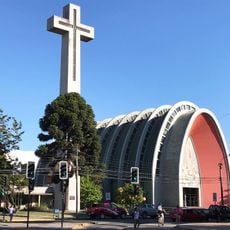
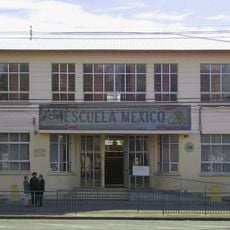
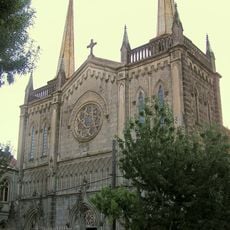
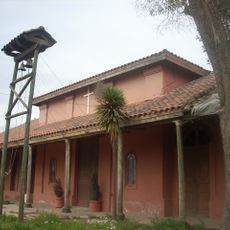
The settlement splits into two distinct areas: Agua Buena Arriba higher up in the hills and Agua Buena Abajo lower down in the valley. Each area maintains its own schools and religious buildings, creating two separate neighborhoods that function almost as distinct communities.
The community of curious travelers
AroundUs brings together thousands of curated places, local tips, and hidden gems, enriched daily by 92,837 contributors worldwide.