Nevado de Longaví, Stratovolcano in Maule Region, Chile
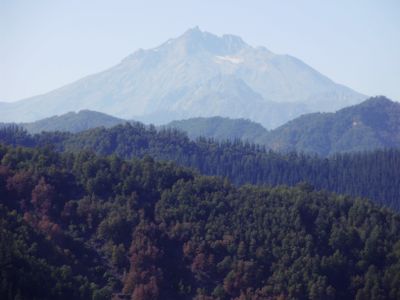
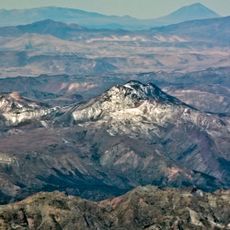
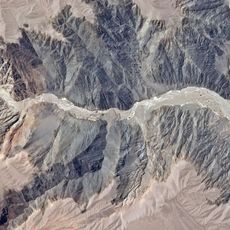
Nevado de Longaví is a stratovolcano in the Chilean Andes with a summit reaching about 3,200 meters high. Its slopes display a main crater at the peak and several smaller vents scattered across the mountainside.
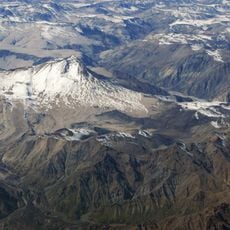
The volcano last erupted roughly 5,700 years ago, leaving behind a lava dome that still stands visible on the mountain today. This ancient activity shaped the landscape that hikers see now.
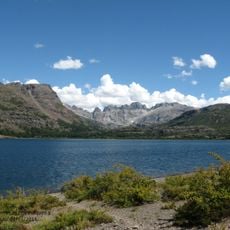
The name Longaví comes from the Mapudungun words for "head of the snake" or "snake's head", a reference to the shape of the mountain chain. The Achibueno valley below is still Mapuche country, and the Laguna Achibueno on the hiking route is a landmark along the way.
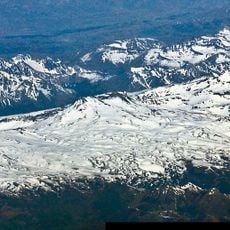
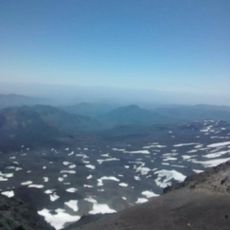
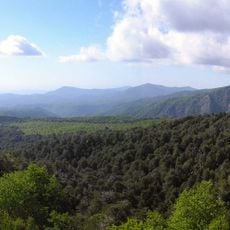
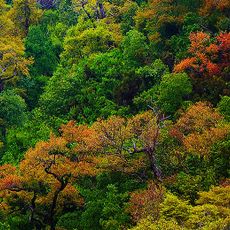
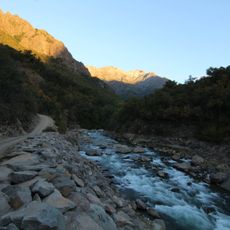
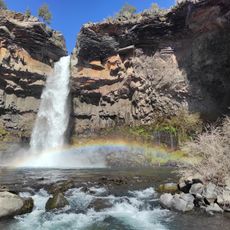
Hiking toward Nevado de Longaví is difficult but rewarded by virgin forests, glaciers, the Achibueno Lagoon and stands of cordillera cypress south of Cerro El Toro. The Achibueno and Blanco rivers rise on the mountain, and sulphur-bearing slopes sometimes give off a pungent smell. Snow persists on the summit and usually on its flanks.
Nevado de Longaví's andesitic rocks carry an adakite-like geochemical signature, as if formed from melted altered basalt. This may stem from unusually water-rich magma, possibly linked to the subduction of the Mocha fracture zone beneath the volcano. The volcano is monitored by Chile's National Geology and Mining Service.
The community of curious travelers
AroundUs brings together thousands of curated places, local tips, and hidden gems, enriched daily by 93,881 contributors worldwide.