Cerro Azul, Stratovolcano in Maule Region, Chile
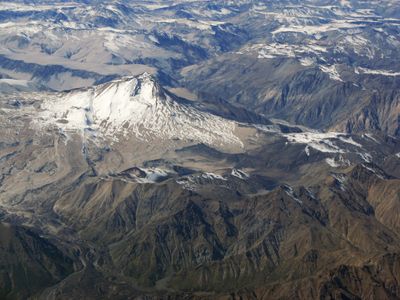
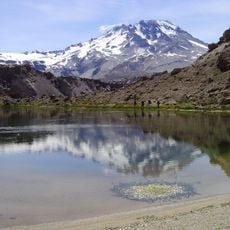
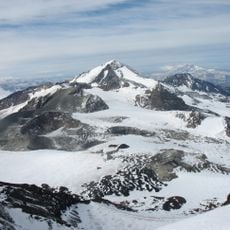
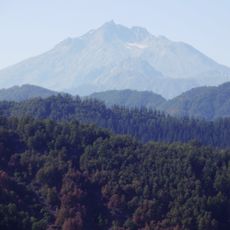
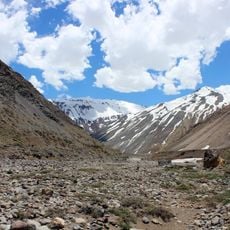
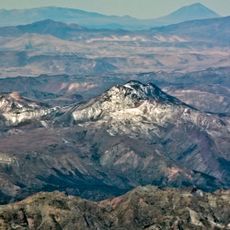
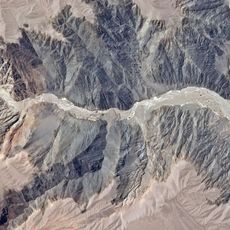
Cerro Azul is a stratovolcano in the Maule Region that rises to 3,788 meters above sea level and features a summit crater at its peak. The volcano's structure shows multiple secondary cones and vents distributed across its slopes, built up from layered deposits of volcanic ash and lava.
Cerro Azul's recorded activity began in 1846, when an effusive eruption opened the vent that became Quizapu crater on the northern flank and spread a lava field of 8–9 square kilometres. Phreatic and Strombolian eruptions excavated that crater between 1907 and 1932. On 10 April 1932 Quizapu produced a Plinian eruption, one of Chile's largest, carrying ash to Buenos Aires, southern Brazil and Montevideo. The last eruption came in 1967.
The name Quizapu, used for the northern-flank crater and often for the whole volcano, is the local designation for this vent, which also appears as Cerro del Medio ("Middle Hill") and Volcán Nuevo ("New Volcano") because it formed only in 1846. The 10 April 1932 Plinian eruption carried ash as far as Buenos Aires, southern Brazil and Montevideo, a dispersal that fixed the event in the memory of communities far beyond the Maule Region.
Access requires permits and professional guidance due to geological hazards and changing weather in the area. It is essential to check local regulations before visiting and to bring appropriate gear along with experienced guides.
The structure reveals a complex system of secondary and flank craters that point to a long history of varying eruptive processes. This pattern shows how different types of volcanic activity over time changed the mountain's shape and appearance.
The community of curious travelers
AroundUs brings together thousands of curated places, local tips, and hidden gems, enriched daily by 92,747 contributors worldwide.