Planchón-Peteroa, Complex volcano at Argentina-Chile border
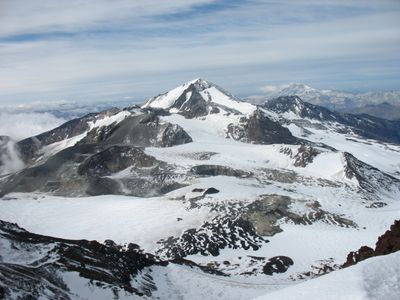
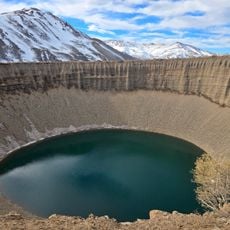
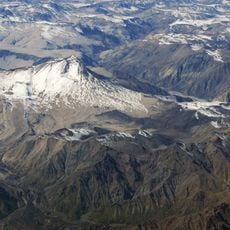
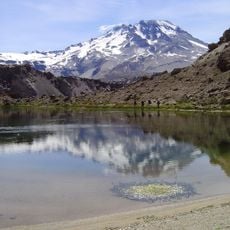
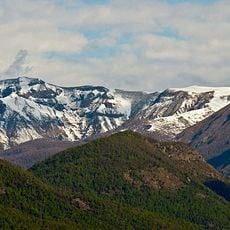
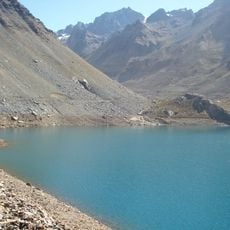
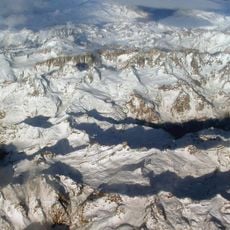
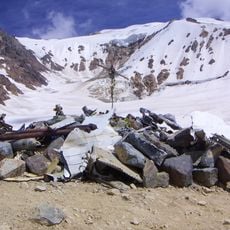
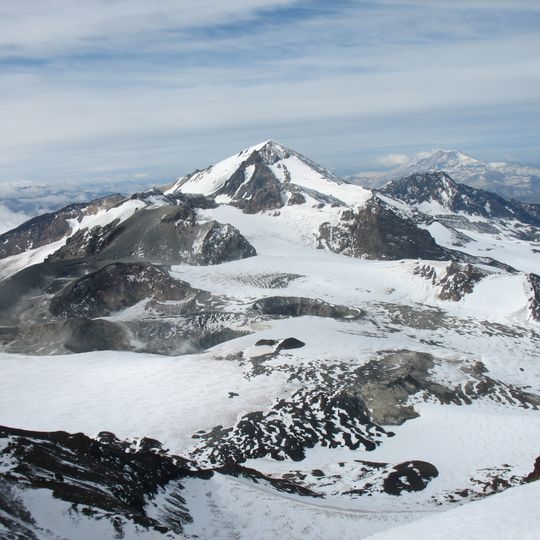
Planchón-Peteroa is a complex volcano spanning the Argentina-Chile border in a north-south alignment, rising to 4,107 meters (13,474 feet) above sea level. The formation features multiple overlapping calderas with a crater lake occupying the central zone.
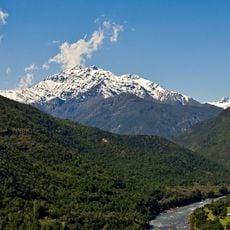
This volcano formed through subduction of the Nazca Plate beneath the South American Plate as part of the Andean volcanic arc. A major debris avalanche roughly 11,500 years ago reshaped the landscape, flowing through the Teno River valley toward the Chile Central Valley.
Scientists from Argentina and Chile conduct regular research at the volcano to monitor seismic activities and understand volcanic patterns.
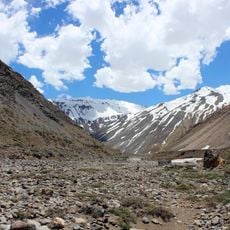
Access requires special permits and mountaineering gear due to the extreme altitude and remote position. Visitors should prepare for harsh weather conditions and technically challenging terrain.
The complex comprises three distinct volcanic formations: Volcán Planchón, Volcán Peteroa, and Volcán Azufre, each displaying separate geological characteristics. This arrangement allows scientists to observe different volcanic processes occurring in proximity to one another.
The community of curious travelers
AroundUs brings together thousands of curated places, local tips, and hidden gems, enriched daily by 90,893 contributors worldwide.