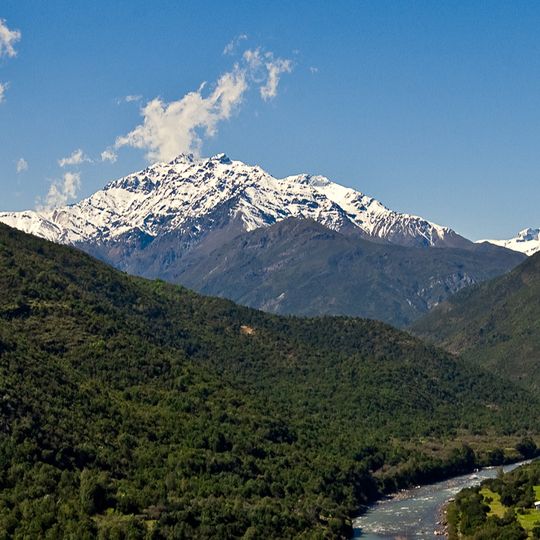
Tinguiririca Volcano, Stratovolcano in O'Higgins Region, Chile
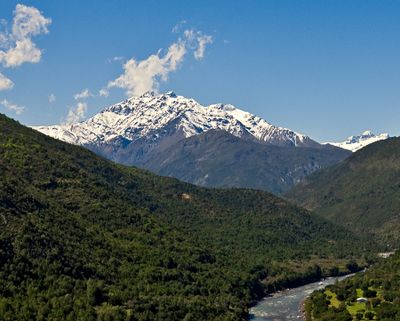
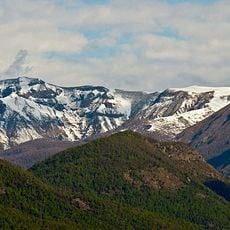
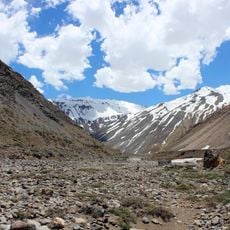
Tinguiririca is a stratovolcano in the O'Higgins Region that rises to about 4,280 meters and displays a symmetrical cone shape within the Andes. The mountain features steep slopes and a summit area marked by ongoing geological activity.
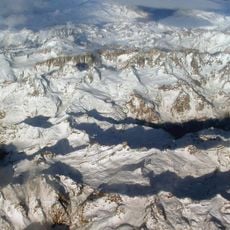
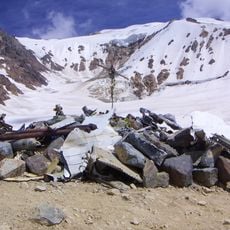
The mountain gained worldwide attention in 1972 when a Uruguayan Air Force plane crashed in the area, triggering a 72-day survival story. This event linked the volcano to one of the most noted survival cases of the 20th century.
The mountain draws local and visiting climbers who view it as a key challenge in the Andes climbing circuit. Reaching the summit is considered an important achievement within mountaineering communities in the region.
Climbing requires proper mountain gear and experienced guides due to the altitude and rough terrain. San Fernando serves as the main base town where expeditions can be organized and preparations made.
The western slopes feature multiple hot springs and fumaroles that create visible signs of ongoing geological processes. These geothermal features draw those interested in observing how heat and steam emerge from the mountain's interior.
The community of curious travelers
AroundUs brings together thousands of curated places, local tips, and hidden gems, enriched daily by 91,845 contributors worldwide.