Monumento natural Pichasca, Cultural heritage site in Río Hurtado, Chile
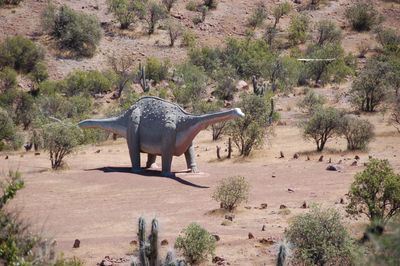
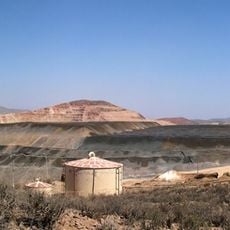
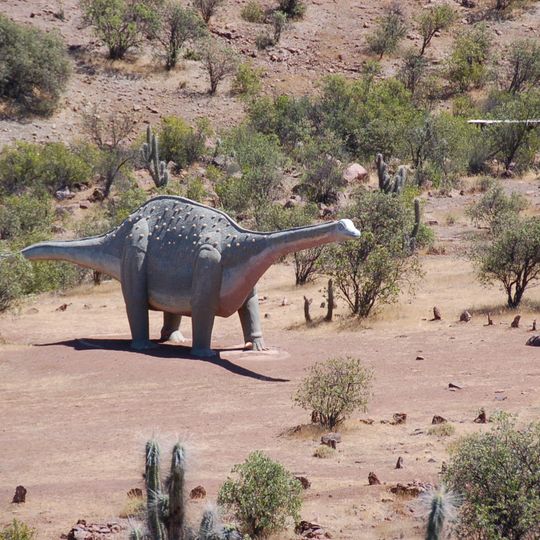
Pichasca is a natural monument covering about 120 hectares with volcanic and sedimentary geological formations in the Coquimbo Region of northern Chile. The site contains fossilized remains of ancient araucaria trees and titanosaur dinosaurs preserved from approximately 80 million years ago.
The site was established as a protected area to preserve geological layers spanning millions of years and archaeological evidence of human habitation. Archaeological work at the Casa de Piedra rock shelter has revealed that people settled this region approximately 9,500 years ago.
The name Pichasca comes from the indigenous communities who inhabited this region, and the rock shelter at Casa de Piedra shows how people adapted to the harsh desert landscape. Visitors walking through the site can see traces of daily life left by those early inhabitants.
Visitors should check opening times in advance and prepare for the dry, hot climate typical of the northern Chilean desert. Sturdy footwear is important since the terrain is rocky and has uneven paths throughout the monument.
The monument preserves specialized desert plants like the rare olivillo del norte that have adapted to extreme conditions found nowhere else in this form in South America. Visitors can see how araucaria trees managed to grow here millions of years ago before the climate became drier.
The community of curious travelers
AroundUs brings together thousands of curated places, local tips, and hidden gems, enriched daily by 90,910 contributors worldwide.