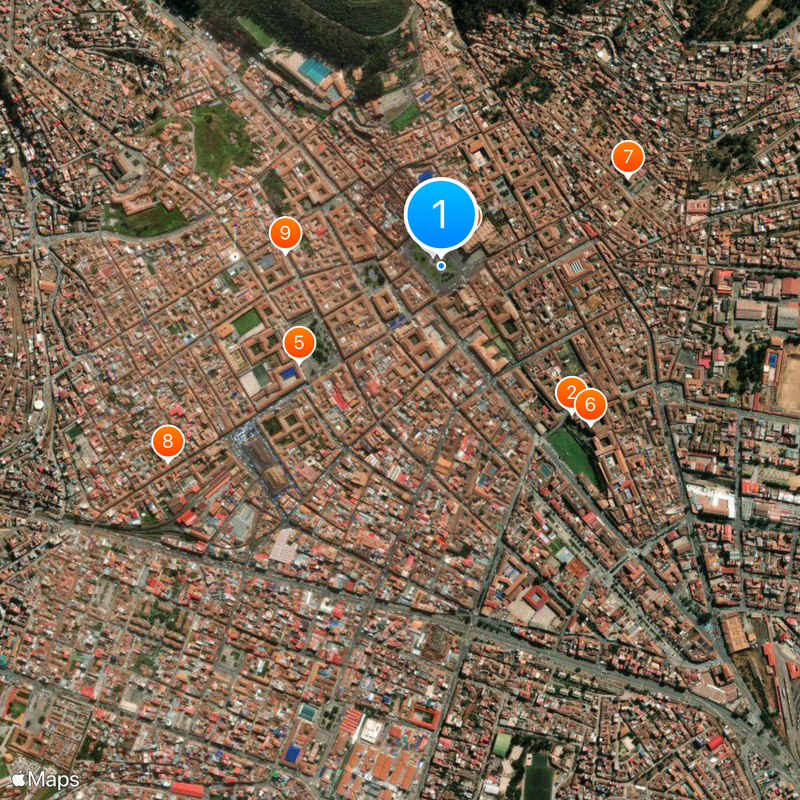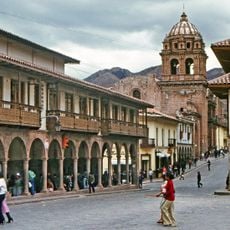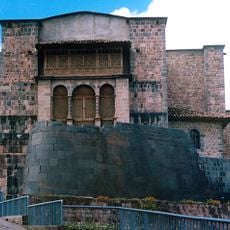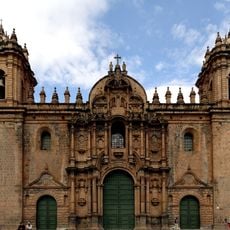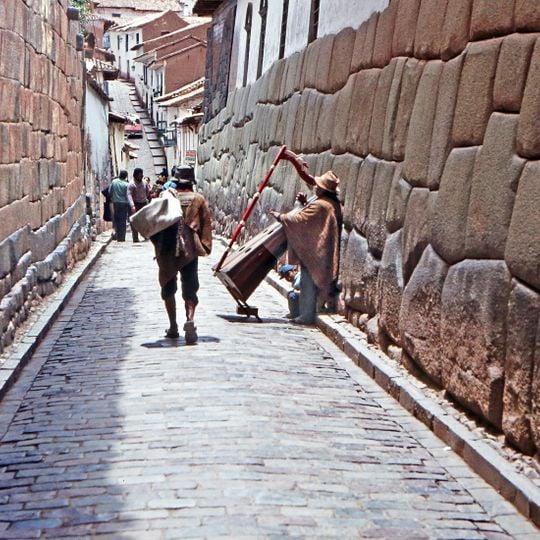
Cusco, Historic capital in Southeastern Peru
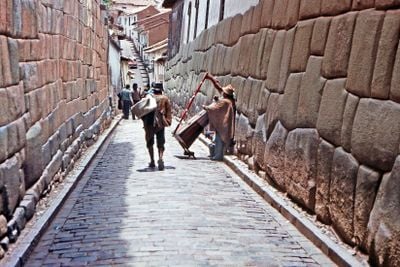
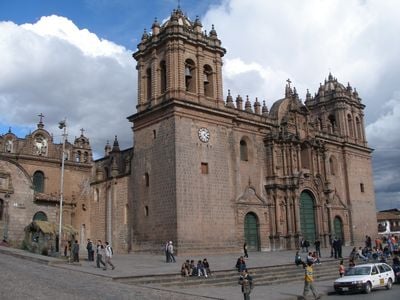
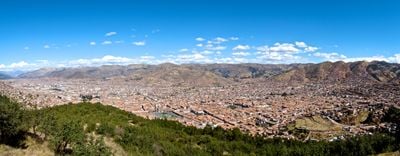
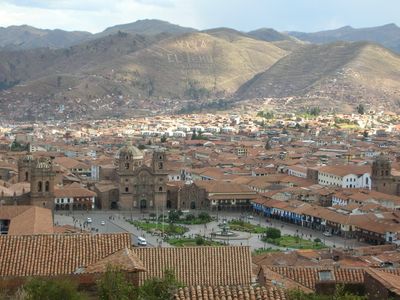
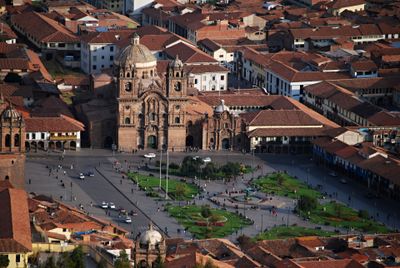
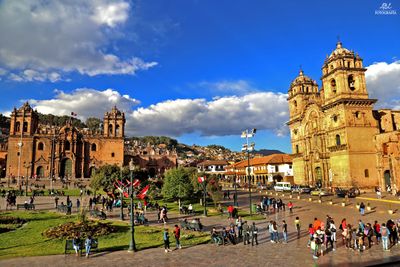
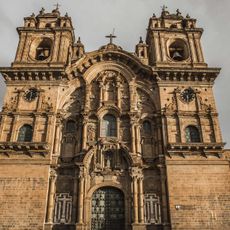
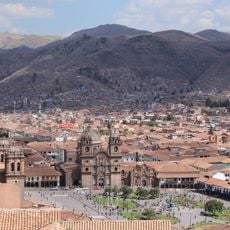
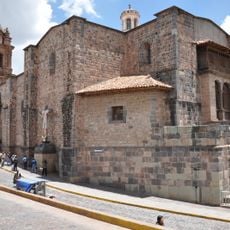
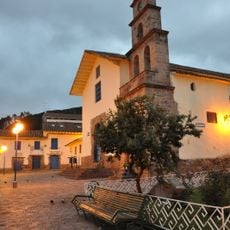
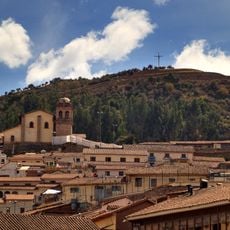
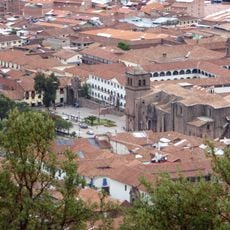
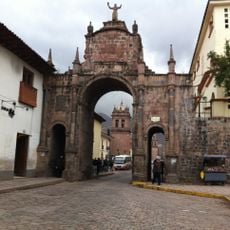
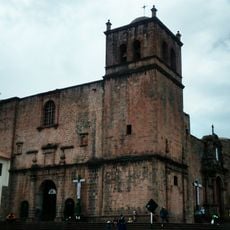
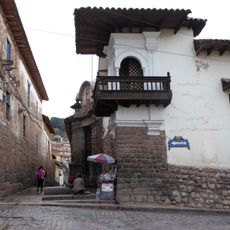
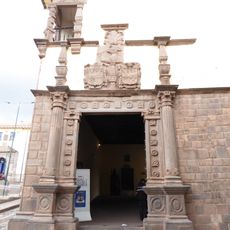
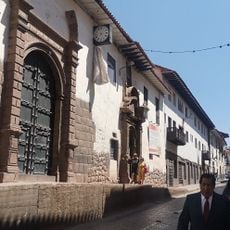
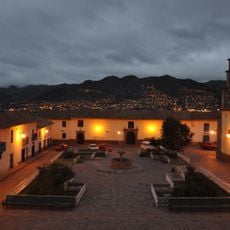
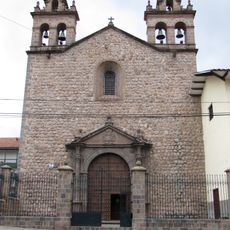
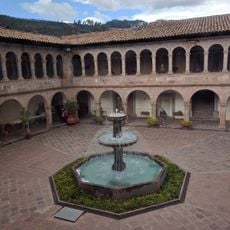
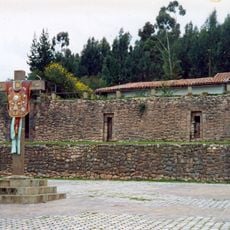
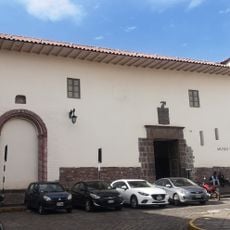
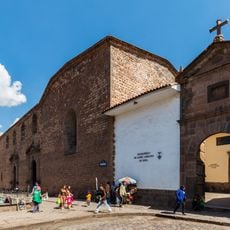
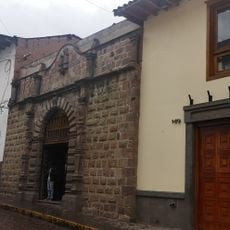
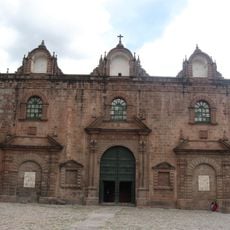
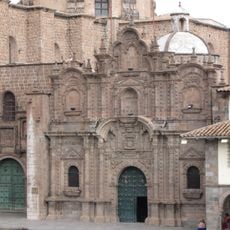
This city in southeastern Peru sits at 3,399 meters (11,150 feet) elevation and is known for its stone buildings fitted with precise joinery techniques. Cobblestone streets connect colonial churches with ancient walls dating back to the time before Spanish arrival.
This former capital of an empire that flourished from the 13th century fell under Spanish rule in 1533 when troops led by Francisco Pizarro arrived. A colonial layer was then built over the older structures.
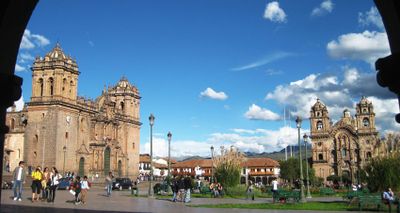
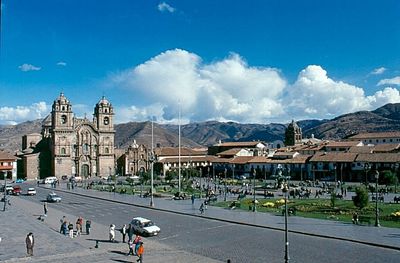
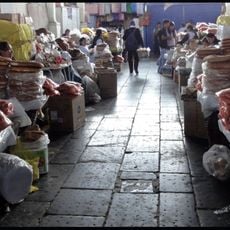
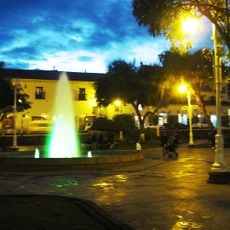
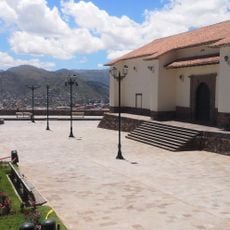
Street festivals and religious processions shape daily life around the main square, where locals gather to celebrate and pray throughout the year. Markets in the old town sell handwoven textiles and pottery, giving visitors a glimpse into traditional craftsmanship passed down through generations.
The town serves as a starting point for trips to nearby ruins and mountain regions, with various transport options for day excursions. Visitors should prepare for the elevation and take it easy on the first day.
The Stone of Twelve Angles shows sophisticated stonework, with massive blocks fitted without mortar so tightly that no paper slides between them. This technique allowed walls to withstand ground movement.
The community of curious travelers
AroundUs brings together thousands of curated places, local tips, and hidden gems, enriched daily by 91,296 contributors worldwide.