Písac, Archaeological site in Sacred Valley, Peru
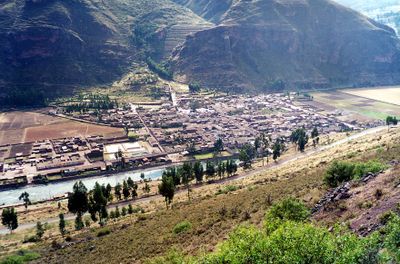
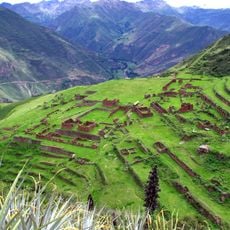
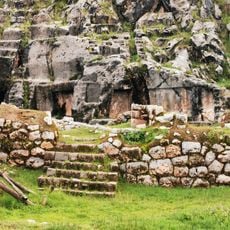
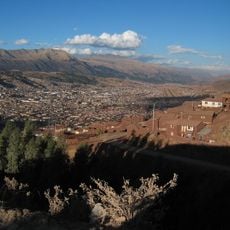
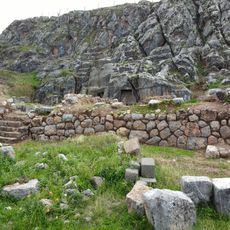
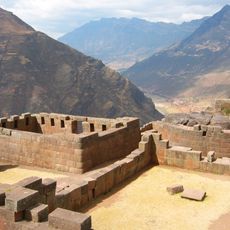
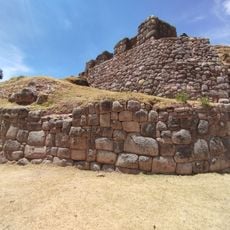
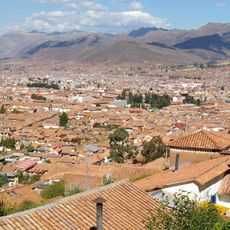
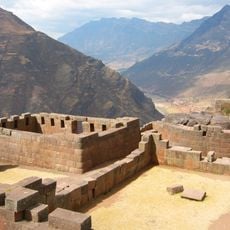
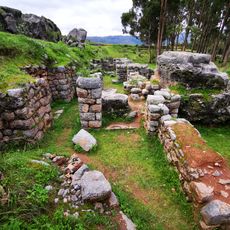
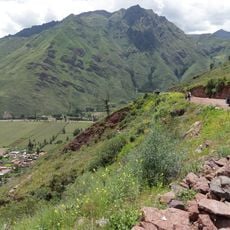
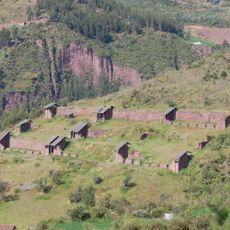
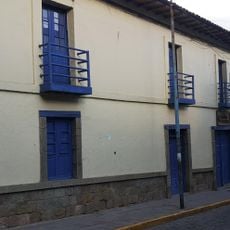
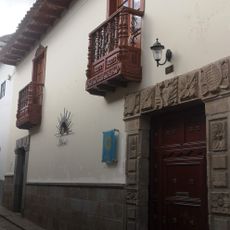
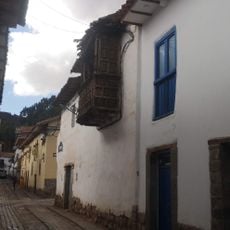
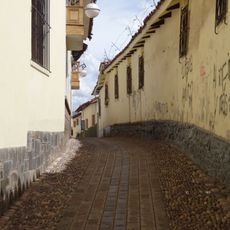
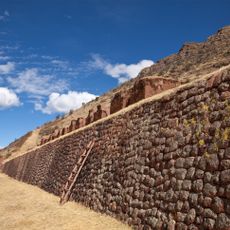
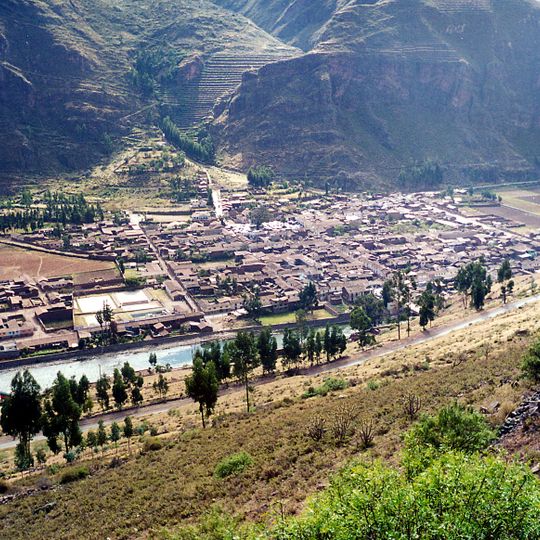
Písac is an archaeological site with Inka ruins spread across a mountainside at about 3000 meters elevation, featuring temples, dwellings, and storage structures. Below the ruins lies a colonial town with a traditional marketplace where local artisans and farmers still sell their goods today.
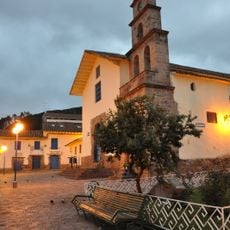
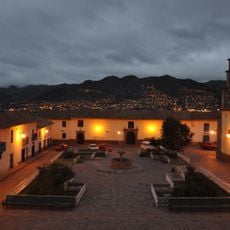
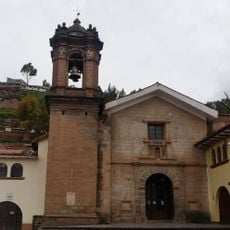
Inca rulers created this site in the 15th century as a center for farming, ceremonies, and guarding nearby roads. After Spanish conquest, much of the location was abandoned, though the lower town was rebuilt with a new church and Spanish-style layout.
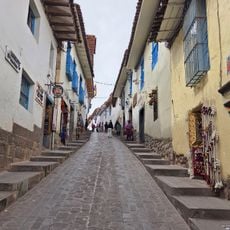
The name comes from the Quechua language and refers to the mountain's shape, which resembles a bird when viewed from above. Local people still use the marketplace in the town below for trading and gathering, continuing a tradition that has endured through centuries.
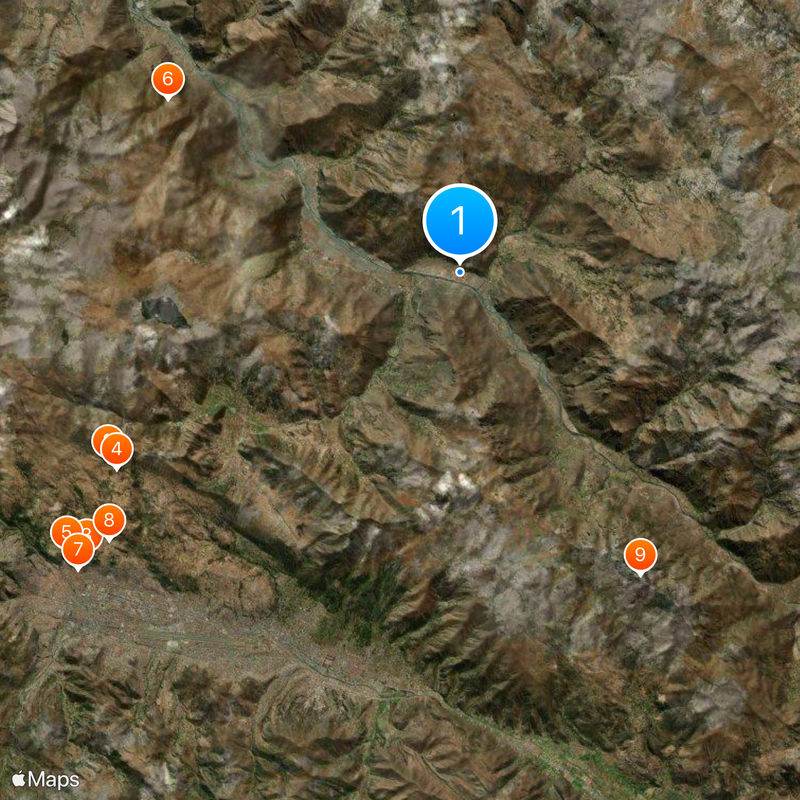
The site is reachable on foot from the town marketplace or by shuttle bus for those who prefer not to walk the entire distance. Sturdy footwear and water are important since the elevation can be tiring and there is little shade along the paths.
The site contains a sophisticated irrigation system with channels that carry water from mountain springs to the terraced fields, some of which still functions today. This water control was so well organized that it demonstrates how the Inca could manage complex engineering projects across vast distances.
The community of curious travelers
AroundUs brings together thousands of curated places, local tips, and hidden gems, enriched daily by 91,347 contributors worldwide.