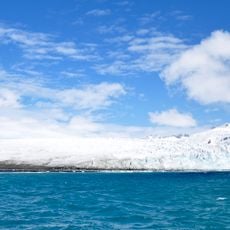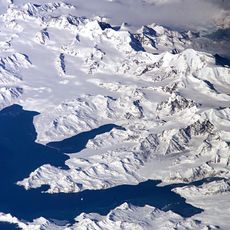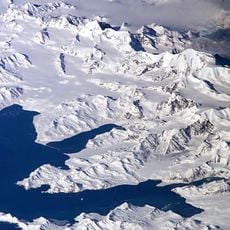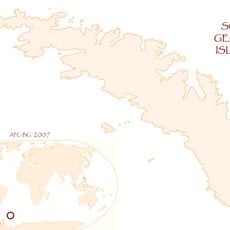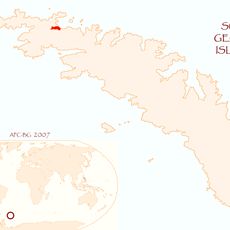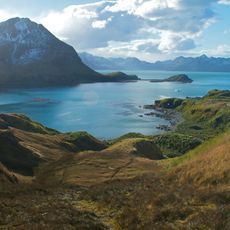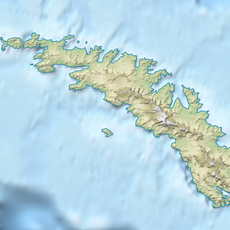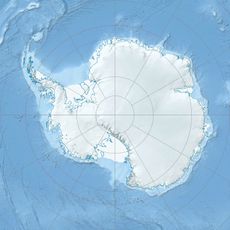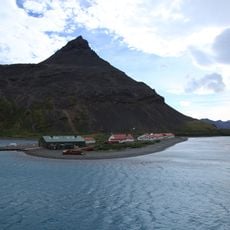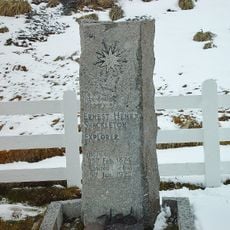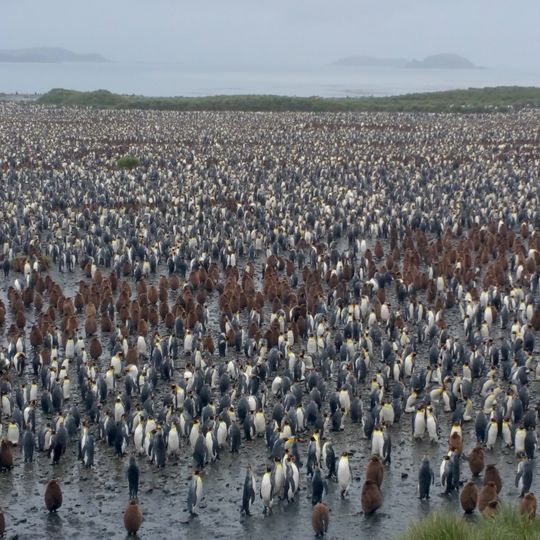
Paul Beach, Coastal stretch in South Georgia and the South Sandwich Islands, Southern Atlantic Ocean.
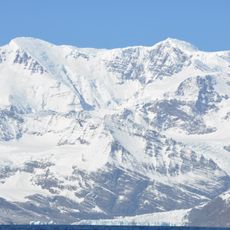
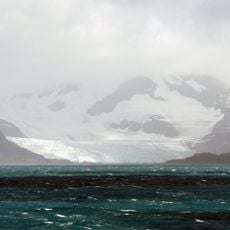
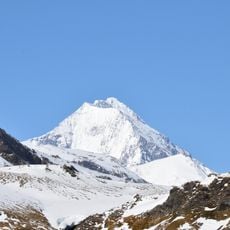
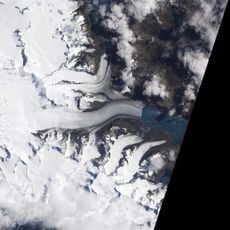
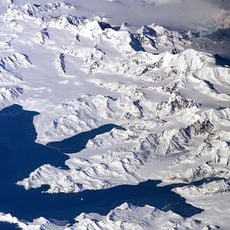
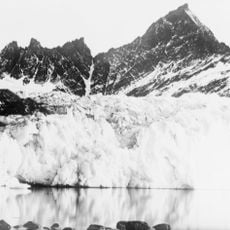
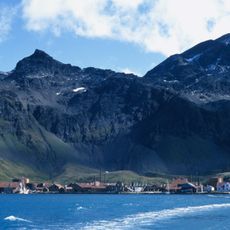
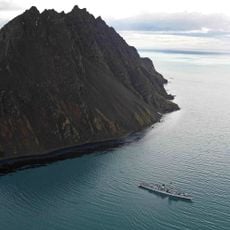
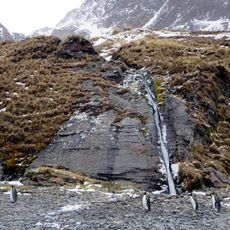
Paul Beach lines the northern shore of South Georgia with black volcanic sand that stretches in a wide, barren arc. Towering glaciers and steep mountains form a dramatic backdrop to the waterline, creating a stark and exposed landscape.
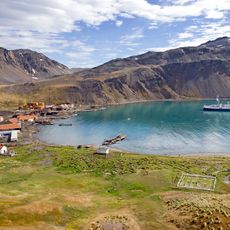
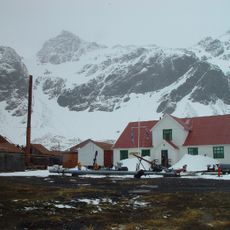
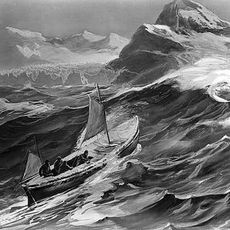
The beach served as a landing point for whaling vessels in the early 1900s, supplying nearby hunting stations that operated until 1965. This area represents a chapter in the industrial use of sub-Antarctic regions for resource extraction.
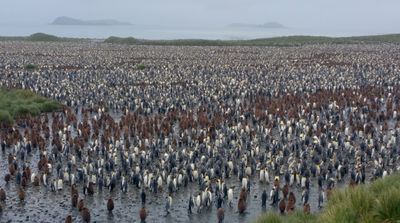
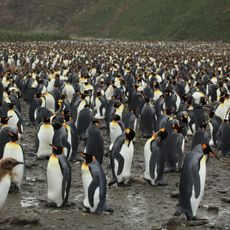
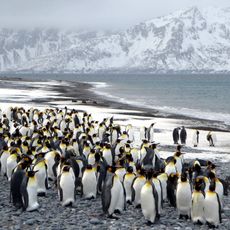
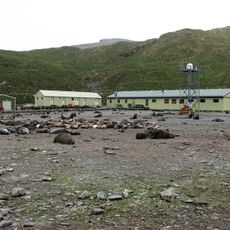
The beach serves as a research station where scientists monitor seal and penguin populations, observing how these animals adapt to changing ocean conditions and environmental pressures.
Access is only possible aboard authorized expedition vessels during Southern Hemisphere summer from November to March, when sea ice clears. Visitors should bring heavy waterproof gear and expect sudden weather changes, as the shore is fully exposed to the elements.
This beach hosts the breeding ground for over 95 percent of the world's Antarctic fur seal population, with dense colonies forming during mating season. The sheer number of animals transforms the shore into a crowded, noisy zone for a brief window each year.
The community of curious travelers
AroundUs brings together thousands of curated places, local tips, and hidden gems, enriched daily by 92,527 contributors worldwide.