Evita Museum - Eva Perón National Institute of Historical Research, History museum in Palermo, Buenos Aires, Argentina
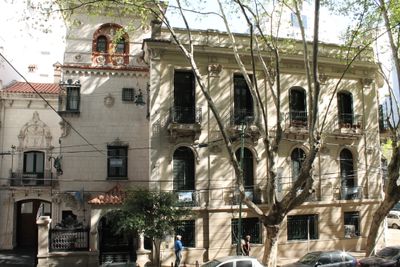
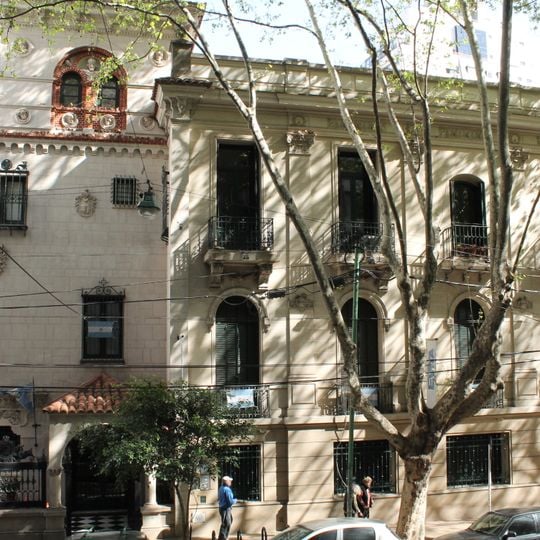
The Evita Museum is housed in a restored 1923 mansion in Palermo and displays photographs, documents, and personal belongings of Argentina's former first lady. The building holds more than four hundred digitized documents and offers insight into her role in Argentine history.
The building served as Temporary Shelter Number 2 from 1948, providing refuge for women and children through a social foundation. It became a museum in 2002 and was declared a National Historical Monument in 1999.
The museum displays Eva Perón's wardrobe, shoes, and accessories as they appeared in her public life, showing how she presented herself as a political figure. Visitors can see the clothing she wore during important events and occasions.
The museum is open Tuesday through Sunday and allows visitors to explore independently or join guided tours. There is an on-site restaurant where you can relax before or after your visit.
The mansion blends Plateresque and Italian Renaissance styles in its architecture. This distinctive design stands out from most other buildings in the neighborhood.
Location: Buenos Aires
Inception: 2002
Address: Lafinur 2988
Website: https://museoevita.org.ar
GPS coordinates: -34.58068,-58.41466
Latest update: December 6, 2025 19:06
Buenos Aires reveals a patrimonial wealth that goes beyond the usual circuits. This collection gathers places that tell the story of the Argentine capital through its architecture, green spaces, and cultural institutions. From the XVIIIth-century tunnel network of El Zanjón de Granados to the 22 stories of Palacio Barolo, these sites reflect the city's urban evolution. The itinerary includes diverse sites such as Palermo's Japanese Garden with its ponds and pavilions, the Museo de Arte Español Enrique Larreta showcasing works from the Middle Ages to the 20th century, and the moving Floralis Genérica sculpture whose petals open at sunrise. Neighborhoods like San Telmo, Barracas, and Colegiales offer architectural discoveries such as 19th-century passages, facades decorated with mosaics on Calle Lanín, and the Mercado de las Pulgas filled with Argentine antiques. These locations allow exploring Buenos Aires beyond postcards and observe how the city has preserved its history while growing. Each site provides a different perspective on porteña culture, from Carlos Gardel’s tango to European and Asian influences shaping the city’s identity.
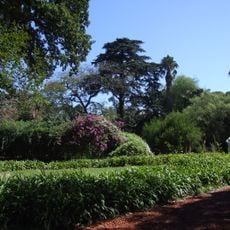
Buenos Aires Botanical Garden
412 m
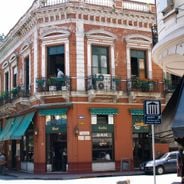
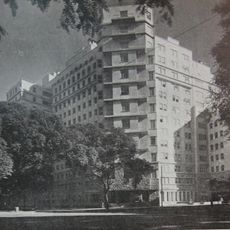
Edificio La Colorada
230 m
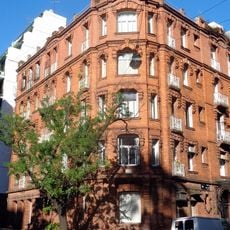
Palacio de los Gansos
179 m
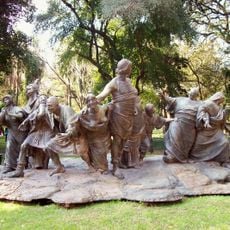
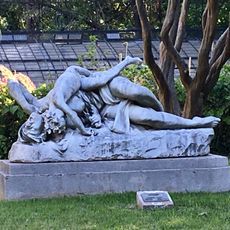
Saturnalia by Ernesto Biondi
385 m
La Soberanía
451 m
Primer Tiempo de la VI Sinfonía
451 m
Esquines
451 m
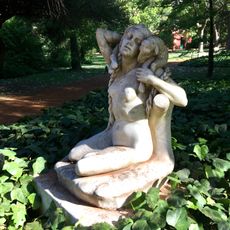
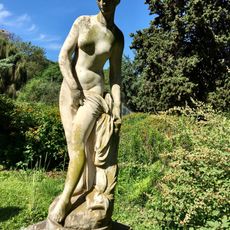
Venus
451 m
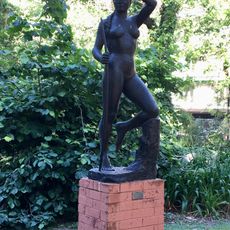
Amazona
451 m
La Flora
451 m
Motivo decorativo
451 m
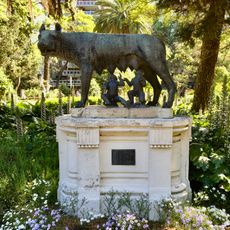
Capitoline Wolf
451 m
Flora Argentina
451 m
Flor Indígena
451 m
Sagunto
451 m
Canto de la cosechadora
451 m
Indicador meteorológico
451 m
La primavera
451 m
Quinto Tiempo de la VI Sinfonía
451 m
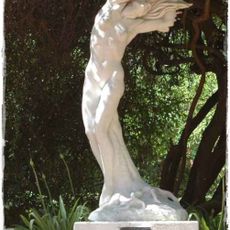
Pureza
451 m
El despertar de la naturaleza
451 m
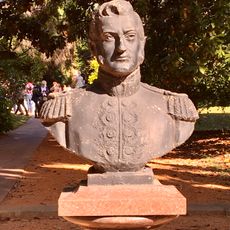
General José de San Martín
451 m
Plegaria de la india tehuelche
451 m
Perito Francisco P. Moreno
451 m
Cuarto Tiempo de la VI Sinfonía
451 m
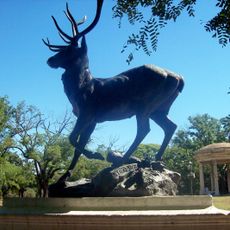
Ciervo
428 m
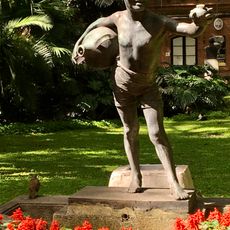
L'Acquaiolo
451 m
Bañista
451 mReviews
Visited this place? Tap the stars to rate it and share your experience / photos with the community! Try now! You can cancel it anytime.
Discover hidden gems everywhere you go!
From secret cafés to breathtaking viewpoints, skip the crowded tourist spots and find places that match your style. Our app makes it easy with voice search, smart filtering, route optimization, and insider tips from travelers worldwide. Download now for the complete mobile experience.
A unique approach to discovering new places❞
— Le Figaro
All the places worth exploring❞
— France Info
A tailor-made excursion in just a few clicks❞
— 20 Minutes